Diabetes
Diabetes and Yeast Infections: The Link and What Helps

Pineapple-extract supplement. 60 capsules · 30-day supply.
Shop For Her →
If you are searching diabetes and yeast infections after a rough month, you deserve facts, not blame. Higher blood glucose is associated with more yeast problems in some people. That is an association, not a verdict on your character. Your diabetes medication and care remain your diabetes plan, a probiotic is not a substitute, and recurring itching or discharge should always be checked by a clinician.
Quick Answer
Higher glucose is linked with more yeast problems in some people with diabetes. Your diabetes plan is the medication and care your clinician has set, not a probiotic or a supplement. Recurring symptoms should be examined rather than self-diagnosed. This article does not recommend cinnamon capsules, chromium, or berberine for glucose, so do not swap them in for prescribed care.
Why Are Diabetes and Yeast Infections Linked?
Clinical writing connects the two because higher glucose is associated with more yeast problems in some people. That association is real and worth knowing about.
But it does not mean every itch is yeast, and it does not mean you caused a symptom by being imperfect one week. Managing glucose is medical care, not a moral score. Shame tends to make people hide symptoms and delay exams, which helps no one.
If your numbers have been running high, tell the clinician who manages your diabetes. If the vulva itches, that may be a second appointment. Both things can be true at once. For background on yeast and sugar more broadly, see our article on sugar and yeast research.
Keep Your Diabetes Plan in Place
When a prescriber has you on diabetes medication, that medication is your diabetes plan. Please do not stop it, stretch it, or replace it because an article about freshness mentioned microbes.
Adjusting insulin or any other drug is a job for your prescriber, so you won't find doses here. Questions about side effects belong with your prescriber.
Some supplements are marketed for blood sugar, including chromium, cinnamon capsules, and berberine, along with spearmint and inositol. None of them are recommended here as a glucose project. If someone sold you one of these for blood sugar, take the question back to your diabetes clinician before adding it alongside prescription care.
Can a Probiotic Help With Diabetes or Yeast?
A probiotic is a different kind of product. It is not the diabetes plan, and it is not a treatment for yeast or diabetes. It does not lower glucose, and it does not replace a test, a meter, or a prescription.
If you feel fine and your diabetes care is already set, you do not need any capsule to be a good patient. If you are curious about the research, our article on what probiotics for candida can and cannot mean explains the limits clearly.
Why Recurring Symptoms Need an Exam
Recurring itching, thick discharge, burning, or a fishy smell should be seen. With diabetes, yeast is easy to assume and easy to mislabel. Irritation from products, bacterial vaginosis, and other problems can feel like what you remember from last time.
Please do not reuse an old tube just because the week feels familiar. At the visit, it helps to share:
- That you have diabetes
- What your glucose has been doing, in plain words
- What the itch or discharge is like
- Any products you have used on the skin and what you have already tried
A clinician may prescribe medication after an exam, and that choice depends on what they find. Our guide to bacterial vaginosis vs yeast infection explains why the two can be confused.
Comfort Habits While You Wait
Simple comfort steps can make waiting easier. They are not glucose care and not a treatment, but they are kind to irritated skin:
- Rinse with water on the outside only.
- Wear dry, breathable cotton underwear.
- Skip scented washes, which can make irritated skin feel worse.
- Avoid internal washing, which is unnecessary.
- Stop any product that burns.
None of this changes the link between higher glucose and yeast, and none of it manages diabetes. Keep both appointments: the diabetes one, and the symptom one if symptoms keep coming back. Our article on underwear and intimate freshness has more practical tips.
Diabetes and Yeast Infections: Getting Both Appointments to Talk
Many people with diabetes see one clinician for glucose and another for gynecologic care, and the two don't always compare notes. You can close that gap yourself. A few practical moves:
- Bring a recent glucose log, a screenshot from your meter or monitor app, or your latest A1C result to the symptom visit.
- Tell your diabetes clinician if yeast symptoms have come back more than once since your last checkup.
- Keep one up-to-date list of every medicine and supplement you take, and hand the same list to both.
- Ask each clinician directly whether anything they prescribe affects the other condition.
It feels like extra admin, but it takes five minutes and saves you from being the only person who knows the whole story. And if someone in a different aisle offers you a blood sugar supplement, you can say no. You are not a project to be scolded.
When to See a Doctor
See a clinician without apology if you have:
- Recurring itching or thick discharge
- A fishy odor
- Sores
- Pelvic pain or fever
- Burning when you pee
Seek urgent care for severe illness, vomiting, or confusion. This article is not medical advice. It will not name a drug or dose, and it will not adjust your diabetes medication.
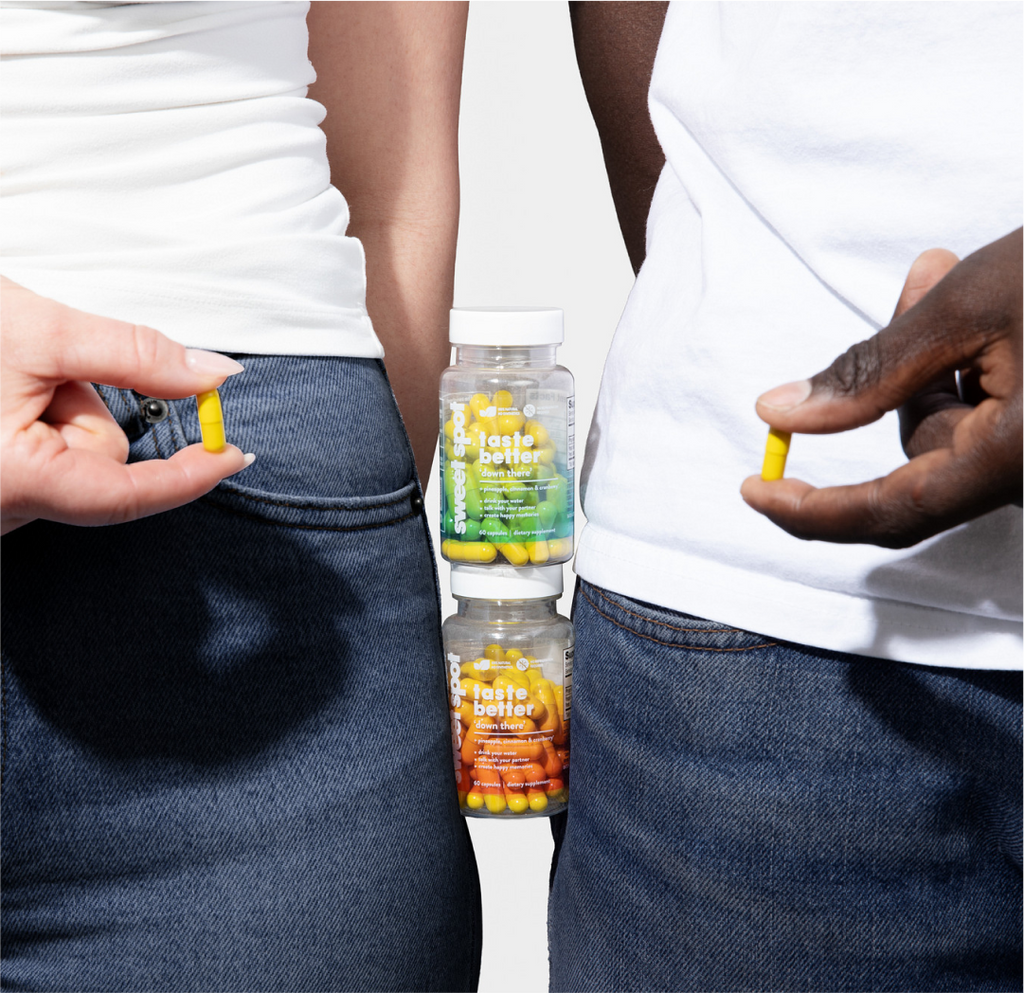
Once your health questions are covered, some people like a simple freshness routine. Women's Sweet Spot pairs pineapple extract in a probiotic-friendly dietary supplement to support natural freshness, at two capsules a day with water. It does not lower glucose or replace diabetes medication, it is not a treatment, and it is not for starting during pregnancy or breastfeeding without your obstetric clinician's agreement.
Frequently Asked Questions
Does high blood sugar mean I will get yeast infections?
Not necessarily. Higher glucose is associated with more yeast problems in some people, and plenty of people with diabetes never have one. Think of it as a reason to pay attention rather than a forecast. If itching or thick discharge does show up, get it checked instead of assuming, because other conditions can feel almost identical.
Can I replace my diabetes medication with a supplement?
No. Your prescribed medication is your diabetes plan, and this article won't suggest stopping it or changing a dose. If cost or side effects are pushing you toward supplements, say that plainly to your prescriber. There are often other options, cheaper versions, or support programs, and they can only help with a problem they know about.
Is there a special diet to prevent yeast infections with diabetes?
No special anti-yeast diet is recommended here. The eating pattern that matters is the one your diabetes team has worked out with you, because it supports your glucose overall. If you'd like more help with meals, ask for a referral to a dietitian or a diabetes education program, which many clinics and insurers cover.
How often is too often for yeast symptoms?
There's no magic number you need to reach before asking for help. If symptoms come back soon after treatment, or you find yourself buying an over-the-counter tube more than once in a short stretch, tell your clinician. Repeat episodes deserve a proper look, especially with diabetes, and they're useful information for the clinician managing your glucose too.
Can I start a freshness supplement during pregnancy?
Do not start Women's Sweet Spot or any new supplement during pregnancy or while breastfeeding unless your obstetric clinician agrees. Diabetes in pregnancy is already specialist care, often with frequent visits and closer glucose targets, so run every change through that team. Write the question down before your next appointment so it doesn't get lost.
YOUR NEXT STEP, ON YOUR TERMS
Keep it simple.
Find your routine.
Explore daily supplements and external-care essentials. Our products are not treatments for medical conditions; speak with a qualified clinician about symptoms or health concerns.
Or explore other products: