

vitamins for yeast infection: what the research does not show
The phrase vitamins for yeast infection sounds like a quieter alternative to a clinic visit. It is not. Yeast that a clinician has diagnosed is medical care. Nutrients have jobs in immunity and skin, and people understandably ask whether those jobs extend to vaginal yeast. The honest reading is narrower. Vitamins do not clear a yeast infection. This page stays with what research can and cannot support, including the weak evidence behind cutting sugar. You deserve a straight answer.
Quick Answer
Quick Answer: vitamins for yeast infection are a search, not a protocol. Itching, thick discharge, and burning need an exam, because bacterial vaginosis and yeast are easy to mix up at home. No oral vitamin has been shown to clear vaginal yeast. Evidence that eliminating sugar fixes the problem is weak. Antifungal medicines have doses a clinician chooses. This page will not invent one, and a vitamin is not a treatment.
1. Diagnosis comes before any nutrient theory
Vaginal yeast usually means Candida overgrowing enough to cause itching, irritation, and a thick discharge that some people compare to cottage cheese. Those signs overlap with other problems. Bacterial vaginosis tends toward a fishy smell and thinner discharge, but smell and texture are not a home lab. A clinician can look, test, and decide. Starting a vitamin because last year was yeast assumes this year is the same organism. It may not be. Recurrent symptoms, four or more episodes some clinicians count as a pattern worth investigating, deserve that conversation rather than a new bottle each month.
2. What vitamin studies do not show
Immune cells use several vitamins, so low stores could, in theory, make any infection harder to deal with. That general idea is not the same as evidence that vitamin D, vitamin C, vitamin E, or a B complex clears vaginal yeast once it is there. Studies that exist are small, mixed, or aimed at different questions, such as blood levels in people who also have other conditions. You can correct a real deficiency for its own reasons. You should not expect that correction to stand in for antifungal care. If a paper is interesting, it still is not a treatment plan you copy from the abstract.
3. Sugar stories outrun the evidence
Yeast feeds on sugars in a lab dish, and that fact became a diet rule online. Your vagina is not a petri dish you control with dessert. Blood sugar matters a great deal if you have diabetes, and diabetes is a medical condition a clinician manages. It is not something a blog uses as a lever. For people with ordinary glucose, the evidence that cutting all sugar or all bread clears vaginal yeast is weak. A pattern of very high sugar intake is worth discussing with a clinician for metabolic health. It is not a substitute for diagnosing the itch.
4. No antifungal dose belongs here
Medicines used for vaginal yeast are chosen after someone confirms the problem, including the drug, the route, and the length of the course. This page will not name those drugs or any dose. It will not tell you to use a partner's leftover cream. It will not tell you to place a vitamin tablet, a probiotic capsule, or a kitchen ingredient in the vagina. Boric acid routines and essential oils are also outside this page. If over the counter antifungal care failed once, that is a reason to be seen, not a reason to invent a stronger plan from supplements.
5. Comfort is allowed to be modest
While you wait for an appointment, bland habits can reduce irritation without pretending to be care. Rinse the vulva with water. Wear loose cotton. Skip scented pads and new wipes. A cool damp cloth on the outside can feel kinder. Sex can wait if friction burns. None of that clears yeast. If you are pregnant, do not start a supplement or an over the counter yeast product unless your obstetric clinician agrees, because pregnancy changes which options are appropriate. Pain, fever, or sores are not a wait and see vitamin week while you wait for care.
6. Questions that keep the visit useful
How many episodes. Count how many times this itch and discharge pattern showed up in the past year, because recurrence changes the conversation your clinician may want to have.
What the discharge is doing. Thick, thin, fishy, or bloody are different descriptions, and writing them down beats arriving with only the word yeast from a search bar the night before.
Which products already touched the skin. Name creams, wipes, and capsules you tried, since irritation from those products can mimic infection or sit on top of an infection you already have.
Whether diabetes or pregnancy is in the picture. Both change the medical conversation, and neither is a reason to self direct vitamins as if they were a treatment for yeast or a reason to skip the visit.
7. Choosing nutrients without chasing yeast
Choose a supplement only for a gap you have evidence for, such as a low vitamin D test or a diet that leaves out B12 sources. Do not choose it because the label says feminine, flora, or yeast support. Those words are not study results. Read the serving. Avoid adding three immune products at once while you are also starting prescribed care, and ask the prescriber before you layer anything new. One extra product is plenty to discuss.
8. What can sit beside real care
Prescribed or clinician guided antifungal care can sit beside ordinary meals. It should not sit beside a experiment you found in a comment thread. If you take an antibiotic for a different infection, ask whether yeast risk is something to watch, and ask before you add capsules. Food with fiber, protein, and produce supports general health. It is not a treatment for Candida, and it does not replace the follow up if symptoms return next month.
9. When to Talk to Your Doctor
Itching, thick discharge, burning, fishy odor with thin discharge, pelvic pain, fever, bleeding, or pain when you pee should be seen. Recurrent episodes need a clinician, not a louder vitamin. If you are pregnant, your obstetric clinician has to agree before any new supplement. This is education, not a diagnosis, and vitamins do not clear yeast. Pain with fever should not wait on a bottle or a new capsule.
Research is not a workaround
Vitamin research does not turn nutrients into yeast care. Sugar rules are mostly ahead of the evidence. Get a diagnosis, skip homemade doses, and keep supplements aimed at real nutritional gaps rather than at the infection. Ask a clinician before you add anything new, especially in pregnancy.
Keep reading on JuicyVibes: bacterial vaginosis versus yeast.
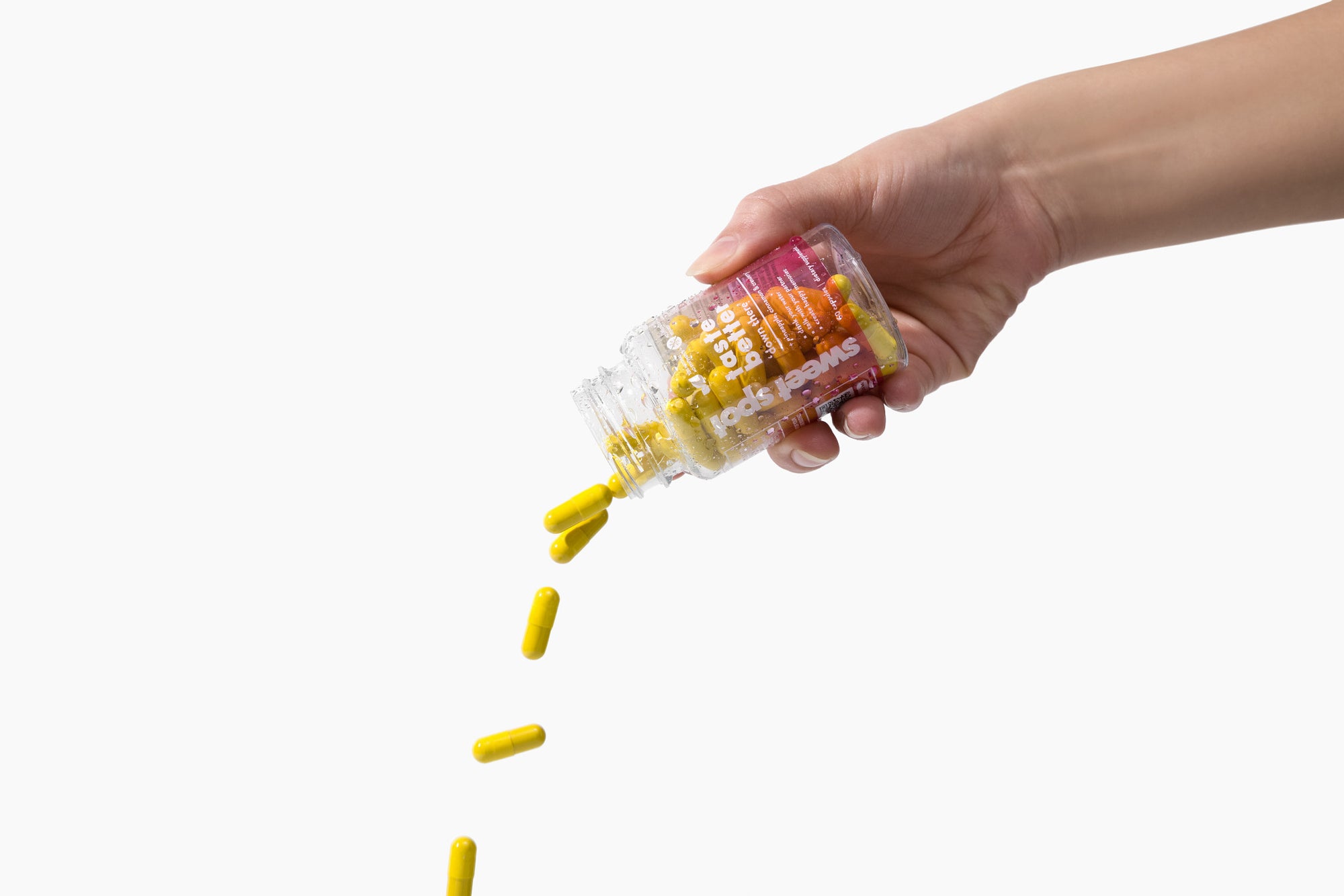
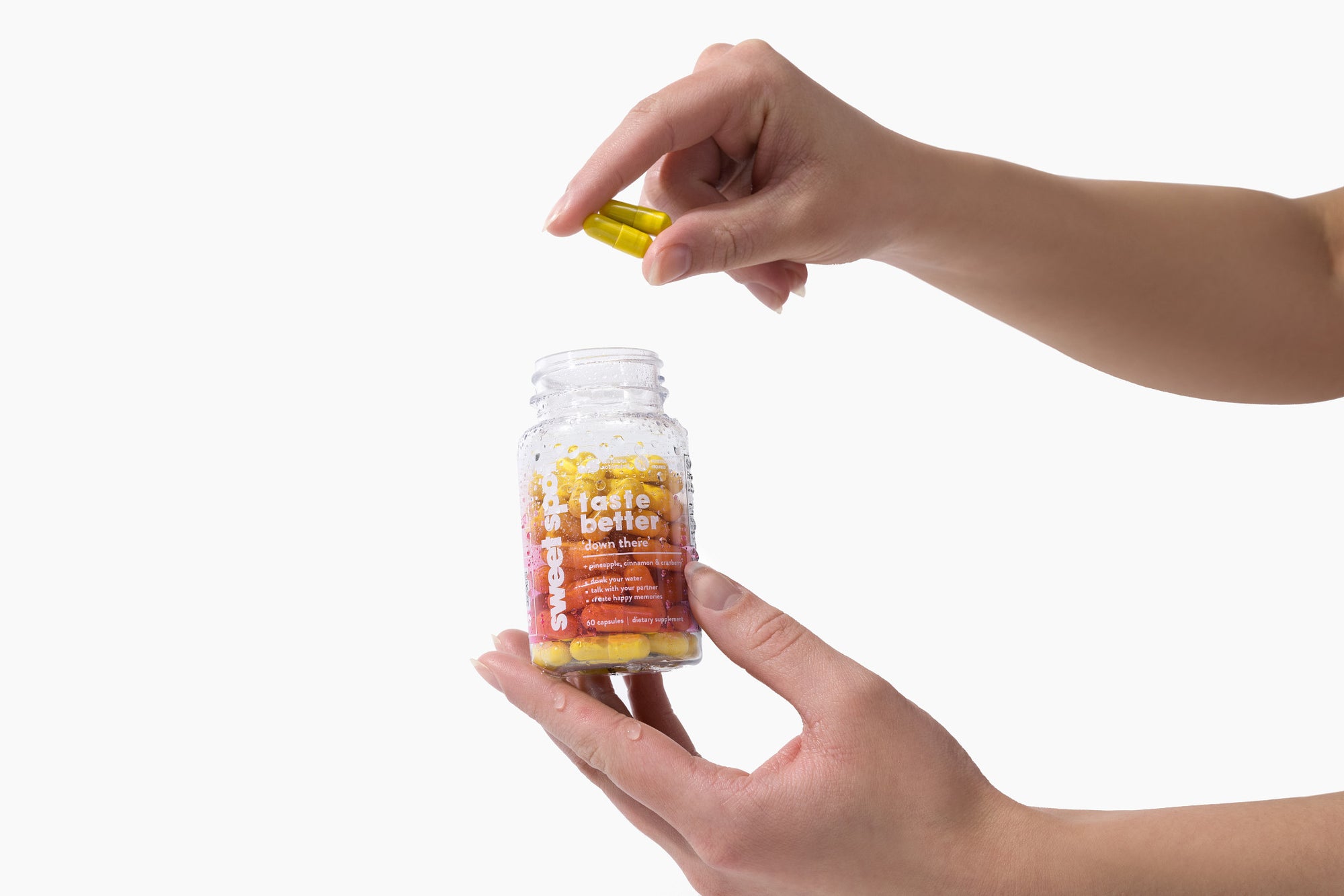
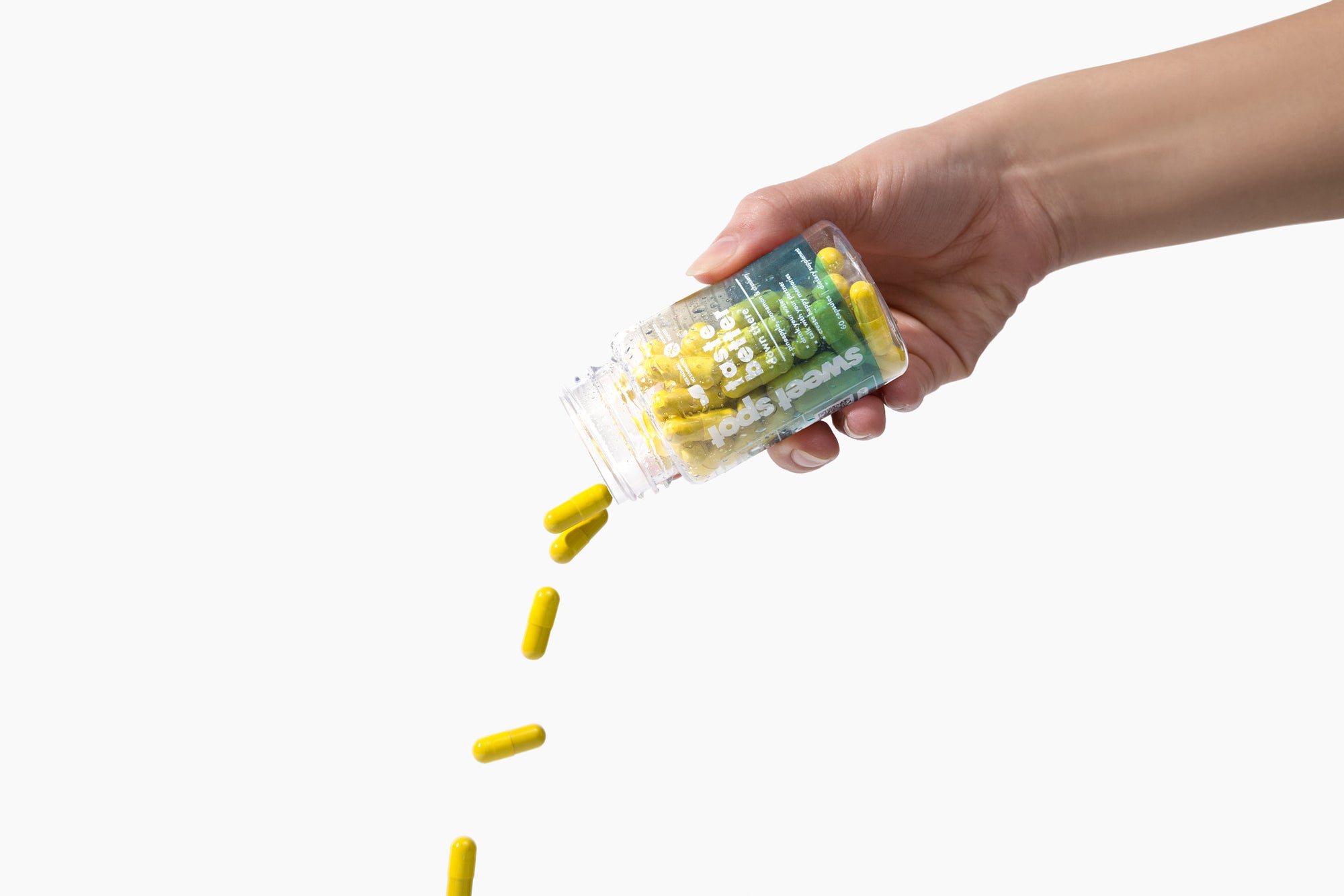
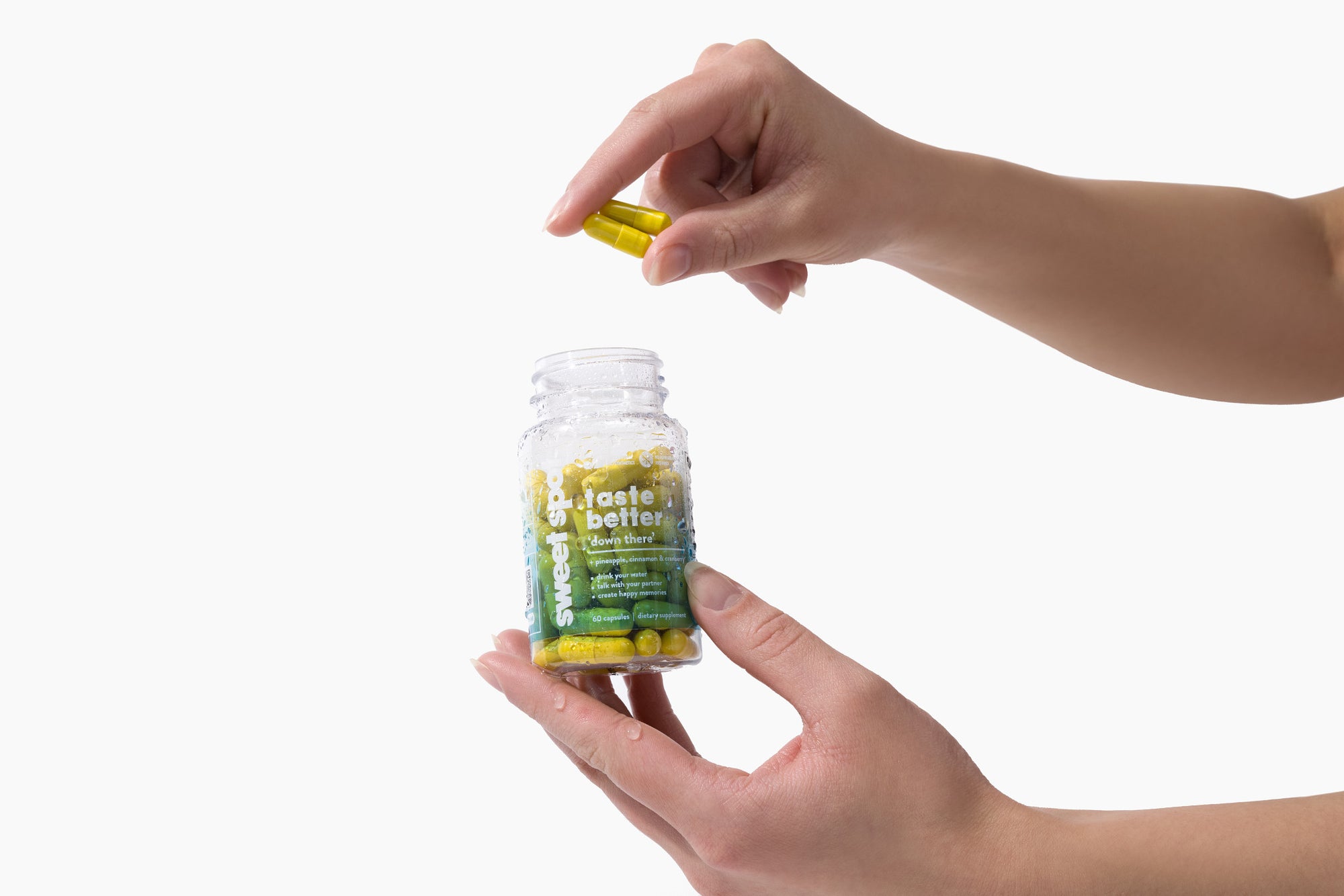
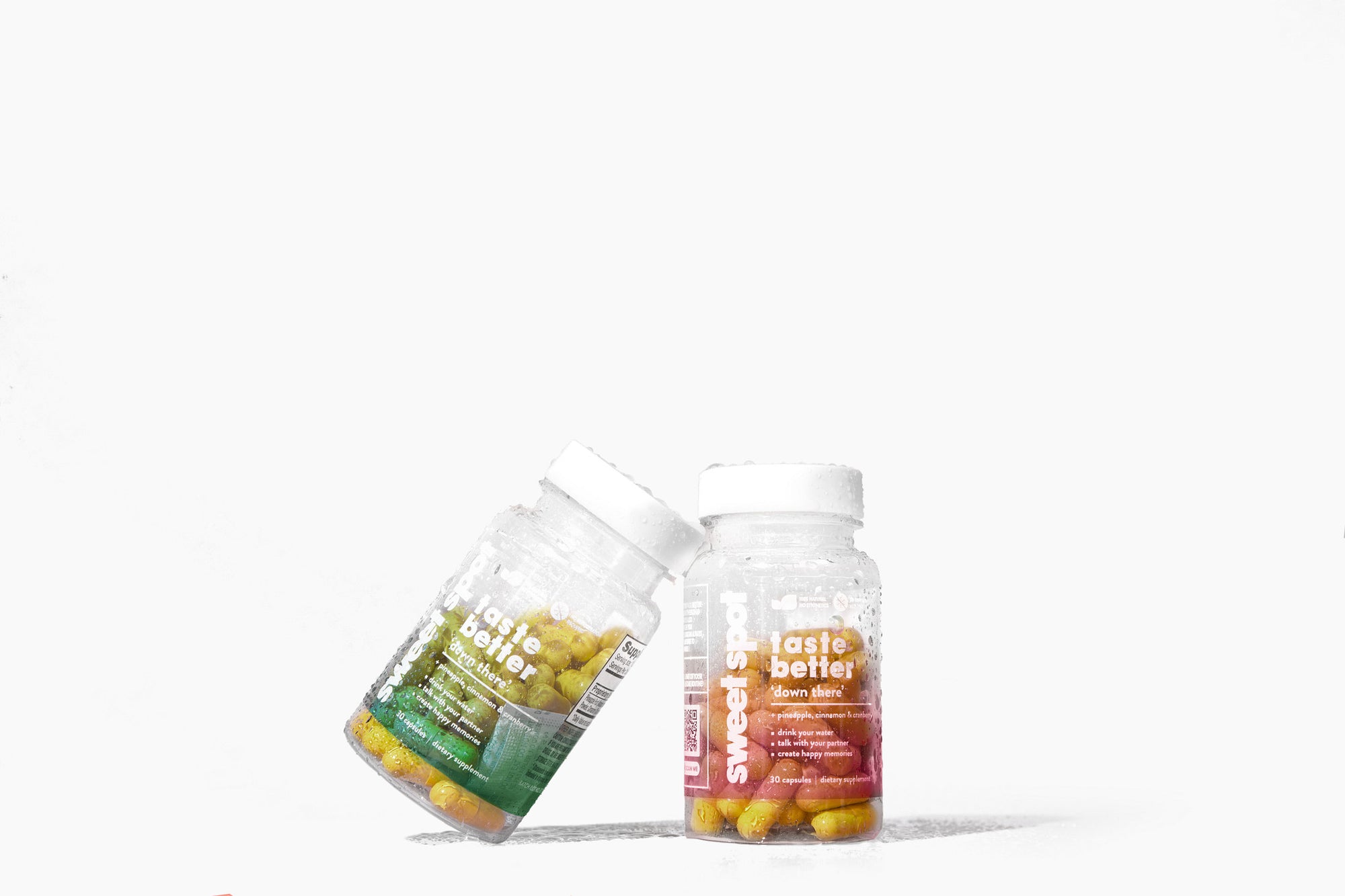
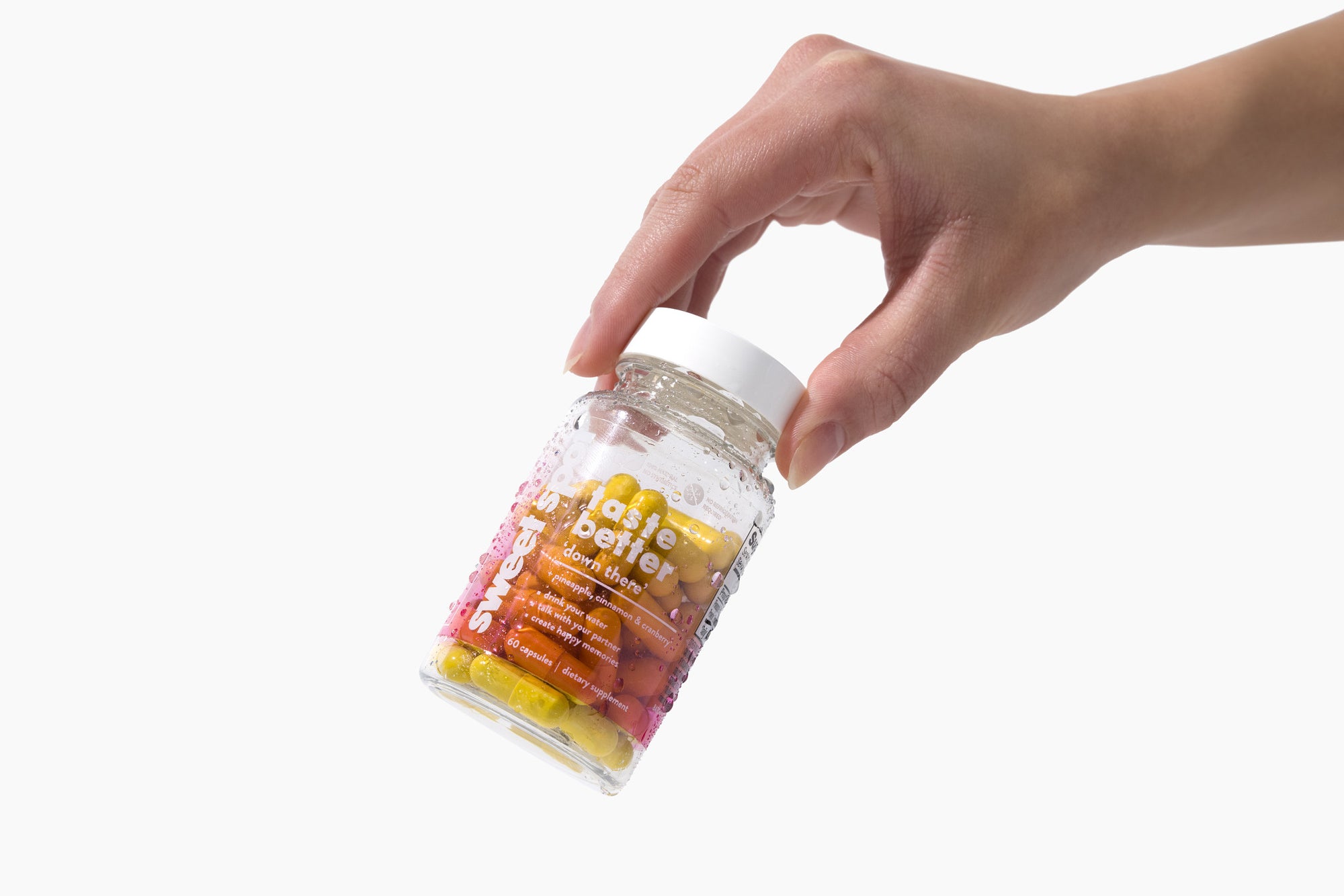
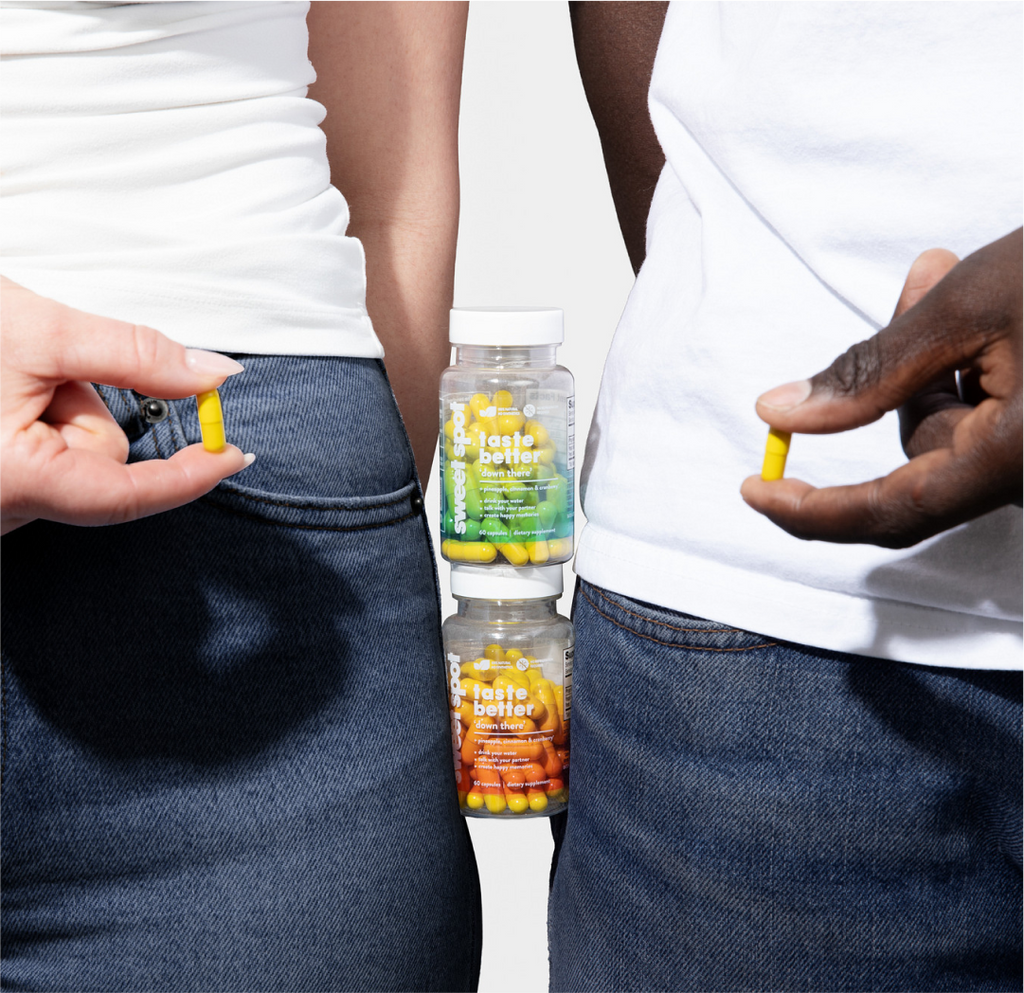
If you want a freshness routine beside real food, Women's Sweet Spot is pineapple extract plus a probiotic blend for intimate pH support and natural freshness. The page says two capsules a day with water, no artificial flavors or fillers, made in the USA. It is not an antifungal, and it is not a treatment for a yeast infection. Capsule pages offer a one-time purchase and automatic monthly delivery. The price, and any cancellation terms, are on that page. This article does not promise a refund or a pause button. You can also shop the full collection.
Frequently Asked Questions
Do vitamins for yeast infection clear Candida?
No. They do not clear a yeast infection, and they are not a treatment for it. Immune nutrients are not the same thing as antifungal medicine. If a clinician has diagnosed yeast, follow that plan. If nobody has examined you, the next step is an exam rather than a new bottle.
Should I cut all sugar until the itch stops?
Evidence for that strategy is weak in people whose blood sugar is already in a healthy range. Extreme food rules can wait. If you live with diabetes, glucose is a clinician conversation of its own, and it is not a home protocol for vaginal yeast. Do not use diet as a reason to delay care.
Can I use a vitamin tablet inside to copy clinic research?
No. Do not place oral vitamins, capsules, or foods in the vagina. Clinic studies of other products are supervised for a reason. Copying the route at home with the wrong object can injure tissue and still leave the infection untreated by anyone qualified to treat it.
Are probiotics the vitamin people mean?
Sometimes the search slides from vitamins into probiotic blends. A blend is still not a treatment for yeast. This page will not name strains or counts, because those details are not a prescription. Mixed research is not permission to skip the visit when itching and discharge are active.
What if the drugstore antifungal did nothing?
Then you need a clinician, because the problem may not be yeast, or it may need a different medical plan. Do not stack vitamins to replace that visit, and do not borrow a dose from a friend. Failed self care is information. Bring it to the appointment.