

vitamin E vaginal dryness: limited evidence, real estrogen context
vitamin E vaginal dryness is a phrase that jumps from a nutrient in nuts to a symptom that often has a hormonal explanation. In menopause, and sometimes in the years just before it, lower estrogen thins and dries vaginal tissue. That is a clinician conversation, which may include local care this page will not dose. Oral vitamin E has only limited evidence for this comfort question. Foods such as nuts, seeds, spinach, and avocado are reasonable nutrition. They are not a treatment for the hormone shift.
Quick Answer
Quick Answer: vitamin E vaginal dryness searches usually want a gentle capsule instead of an exam. Oral evidence for that specific job is limited. Dryness around menopause is often lower estrogen, so the useful first move is a clinician, not a higher supplement. Nuts, seeds, spinach, and avocado carry vitamin E in meals. Itching, bleeding, or a new discharge still needs an exam. Vitamin E is not a treatment for infection or for menopause itself.
1. Name the hormone before you name the vitamin
Vaginal tissue responds to estrogen across the reproductive years. When estrogen falls in menopause, the lining can become thinner, less elastic, and less moist. Sex may burn. A speculum exam may hurt. Some people notice more urinary urgency because the nearby tissue changed too. Those are medical patterns with medical options, including local therapies a clinician chooses. A vitamin cannot stand in for that assessment. If dryness showed up after childbirth, while breastfeeding, or on a medicine that lowers estrogen, the same logic holds. Tell the clinician the timeline. Do not let a supplement aisle rewrite a hormone story into a shopping list.
2. What oral vitamin E studies can bear
Vitamin E is an antioxidant. People have asked whether swallowing it softens vaginal dryness. The trials are small, the products differ, and the results are not strong enough to call oral vitamin E a comfort plan. Some research looks at oils applied in studies. That is not permission to pour a kitchen oil or a gel cap into the vagina. This page will not give a route, a schedule, or an amount. Skin at the vulva is outside skin. Even there, a new oil can irritate, especially if it is fragranced or meant for cooking. If a clinician suggests a specific moisturizer, use that product as directed, not a cousin you found beside the nuts.
3. Food is the unsurprising source
Almonds, sunflower seeds, hazelnuts, spinach, and avocado put vitamin E on the plate with fat that helps you absorb it. Wheat germ is another concentrated food, easy to overdo if you also take a capsule, so mention both if you supplement. You do not need a perfect portion. A handful of nuts or a spinach salad several days a week is a food pattern, not a dryness protocol. People with fat absorption problems may handle vitamin E differently, which is another clinician question rather than a reason to climb the dose. Cooking oils contain some vitamin E too. They season food. They are not a vaginal preparation.
4. Dryness has lookalikes
Yeast can itch and burn in a way people describe as dry. Lichen sclerosus and other skin conditions of the vulva need a proper look, not a nutrient theory. Low arousal, tension, and a lubricant that stings can all feel like dryness during sex. A new soap can do it by irritating the outside. Sorting those apart is the point of an exam. Vitamin E will not distinguish them. If there is fishy odor with thin discharge, bleeding after sex, or pain that is deeper than friction, the vitamin story is the wrong story. Write down when the dryness is worst, including whether it tracks the cycle or only shows up with penetration.
5. Menopause care and nutrition can coexist
You can eat nuts and still book the menopause visit. The visit is where you ask what is safe for you, including if you have a history of breast cancer, blood clots, or a medicine list that limits hormone options. This page will not rank those options or name doses. If you are pregnant or postpartum, dryness has a different context, and a new supplement still waits for the obstetric or primary clinician. A freshness capsule is not vitamin E, and vitamin E is not a freshness product. Keep the purchases matched to the actual goal, which might be food, a prescribed local therapy, or simply a better lubricant.
6. Foods that quietly carry vitamin E
Almonds and hazelnuts. A small handful brings vitamin E with fat that helps absorption, and it remains a snack rather than a treatment for menopausal dryness or pain with sex.
Sunflower seeds. Seeds are an easy add to salads or yogurt, which is food, and they do not replace a clinician visit when tissue burns or bleeds.
Spinach and other greens. Leafy greens contribute vitamin E inside a meal, especially with olive oil, and they do not change estrogen or diagnose a skin condition of the vulva.
Avocado. Avocado pairs vitamin E with fat in a savory dish, and it is still grocery shopping, not a protocol for vaginal comfort, dryness, or infection.
7. If you still buy a vitamin E capsule
Choose it as a supplement for a diet that rarely includes nuts, seeds, or greens, not as a dryness drug. Read the form on the panel and avoid stacking it with several antioxidant blends that repeat the same nutrient. Do not buy an oil labeled for massage and decide it is a vaginal product. If the label says menopause will simply end, put it back. No oral vitamin does that job, and the claim is a reason to distrust the rest of the bottle.
8. Pair comfort with the right tool
Pair a menopause dryness complaint with a clinician who can examine tissue. Pair sex with a lubricant your clinician is fine with if friction is the immediate problem. Pair vitamin E foods with other meals, not with a plan to skip the visit. If infection is possible, pair the symptoms with an exam before any new capsule. Pregnancy and breastfeeding are reasons to ask before you add vitamin E beyond food, even though the nutrient sounds gentle.
9. When to Talk to Your Doctor
See a clinician for dryness that burns, pain with sex, bleeding, itching, fishy odor with thin discharge, pelvic pain, fever, or pain when you pee. Menopause symptoms deserve a real conversation, not a supplement trial you judge alone. If you are pregnant, do not start vitamin E pills unless your obstetric clinician agrees. This page is not medical advice, and vitamin E is not a treatment for the hormone change or for infection.
Food is allowed to stay food
Nuts, seeds, spinach, and avocado are sensible vitamin E foods. Oral supplements have limited evidence for vaginal dryness. The symptom often tracks lower estrogen, so start with a clinician and keep capsules from pretending to be hormone care. Pain with sex deserves a real exam.
Keep reading on JuicyVibes: vitamins for vaginal health, vaginal pH balance guide.
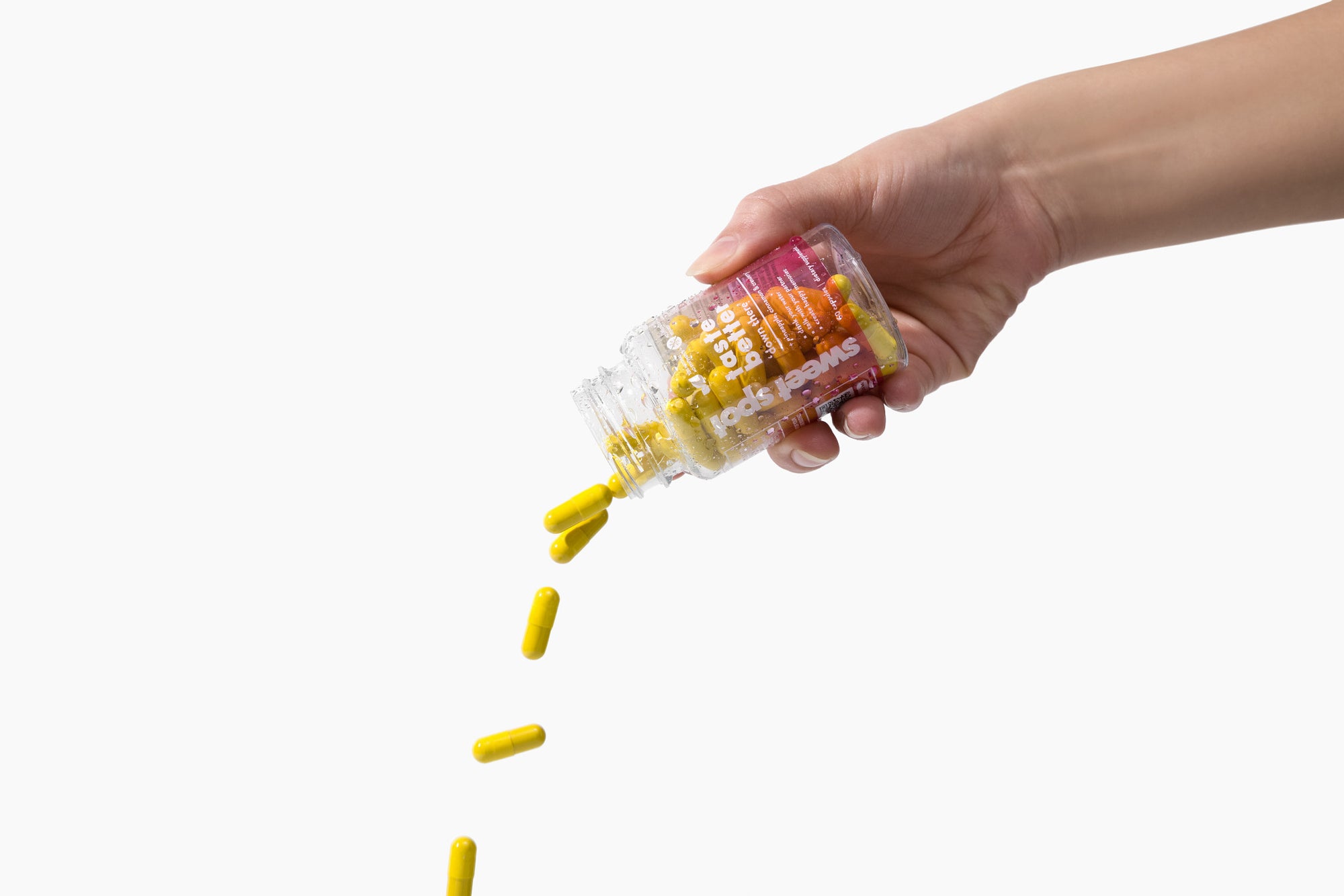
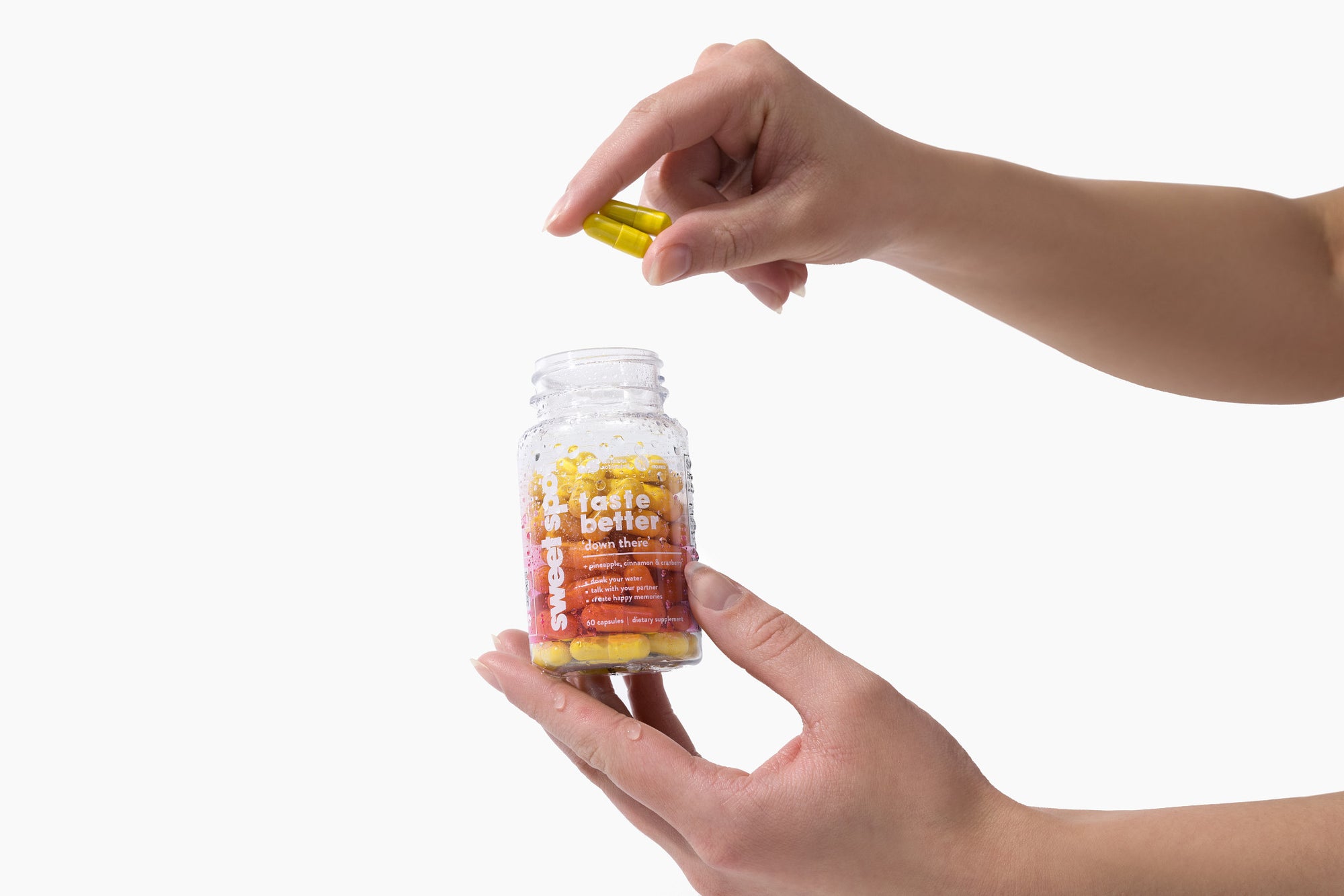
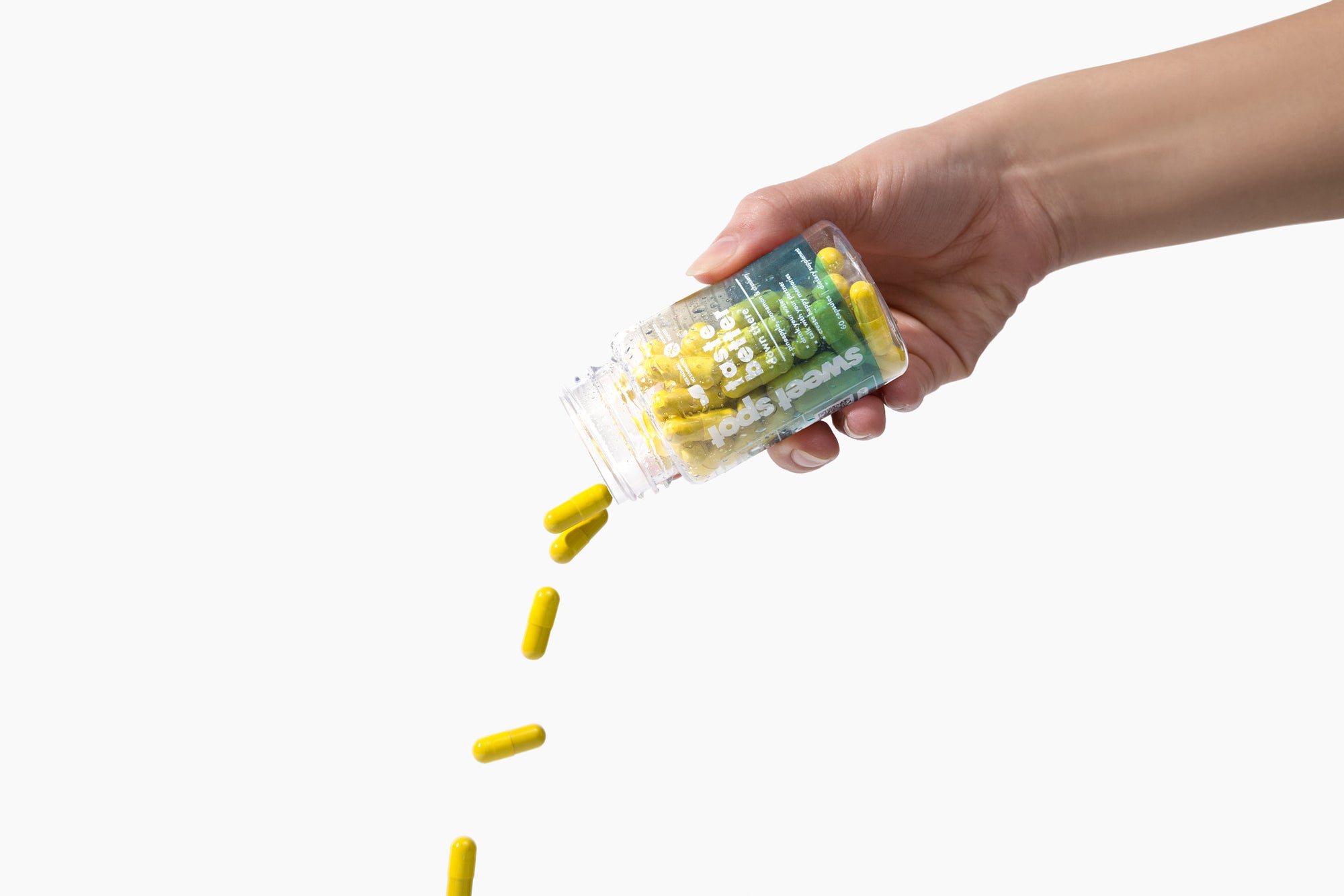
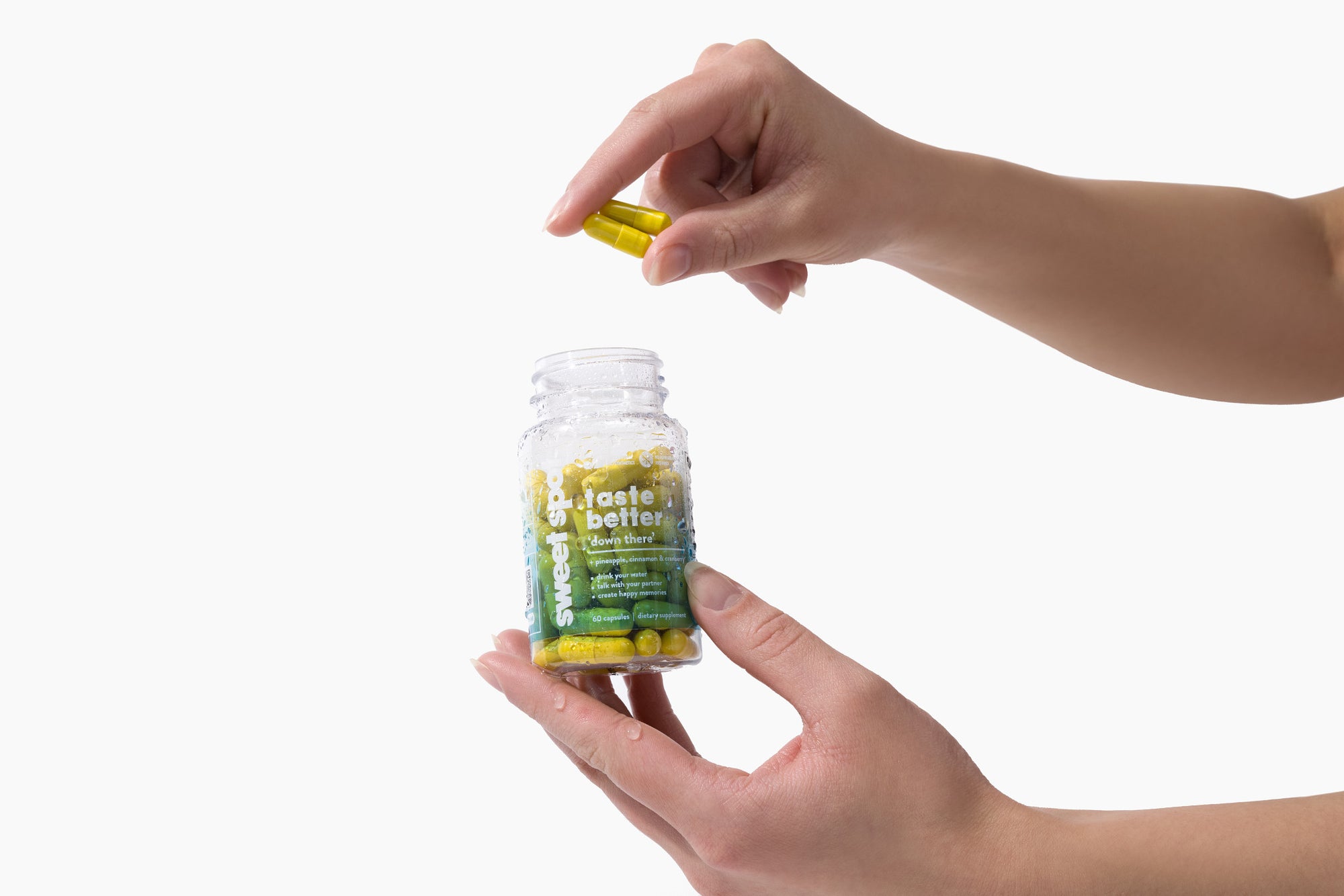
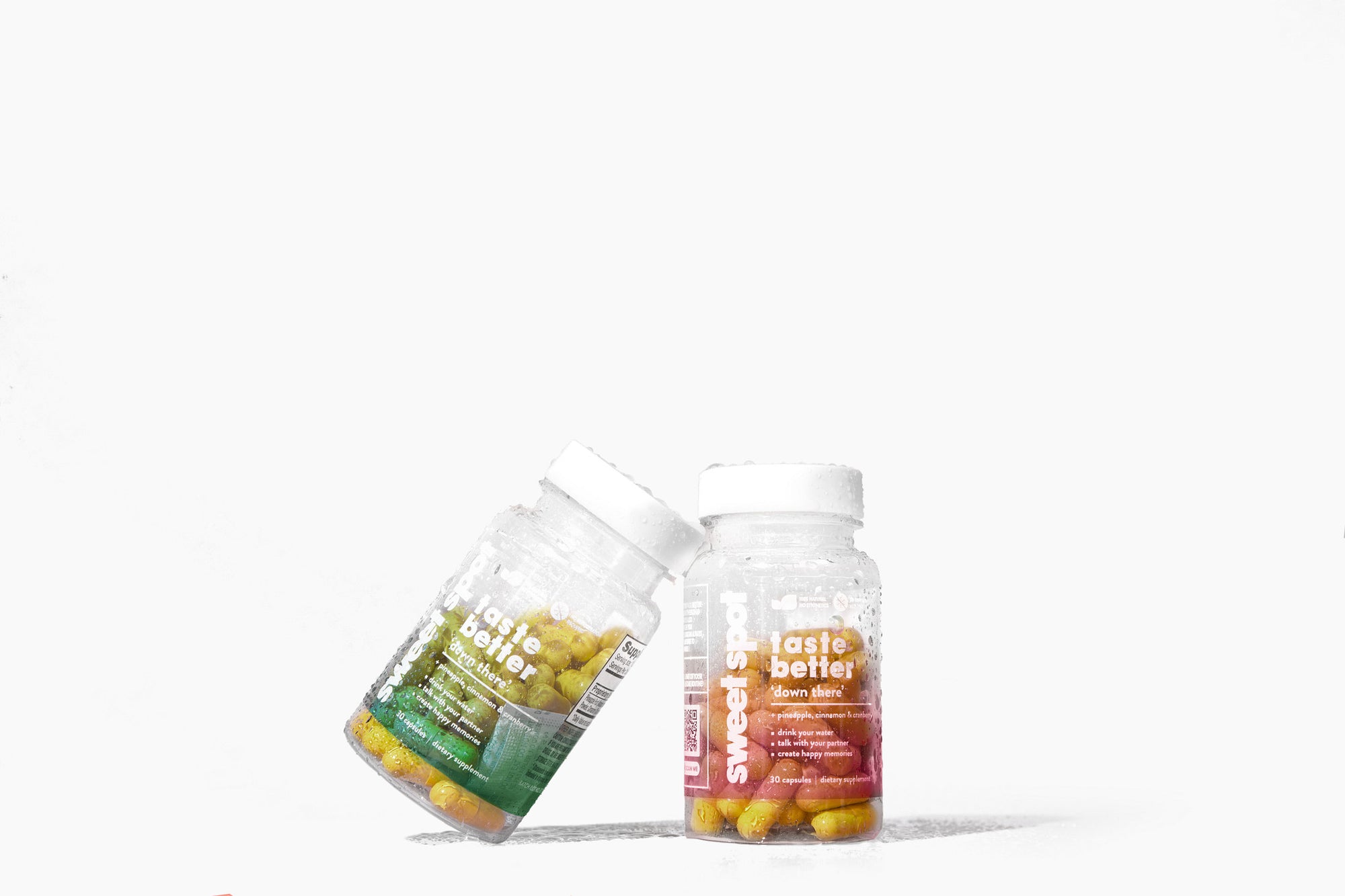
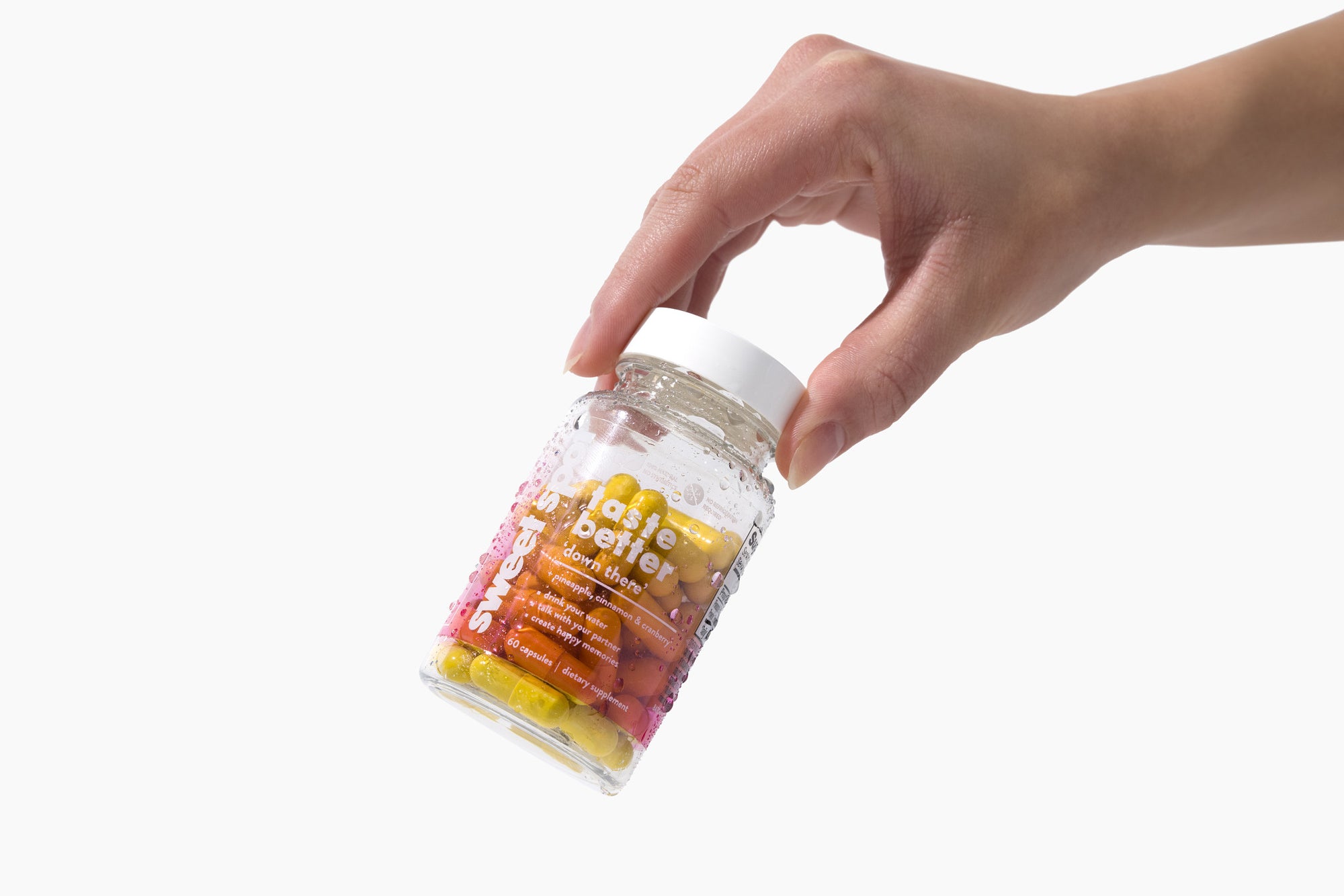
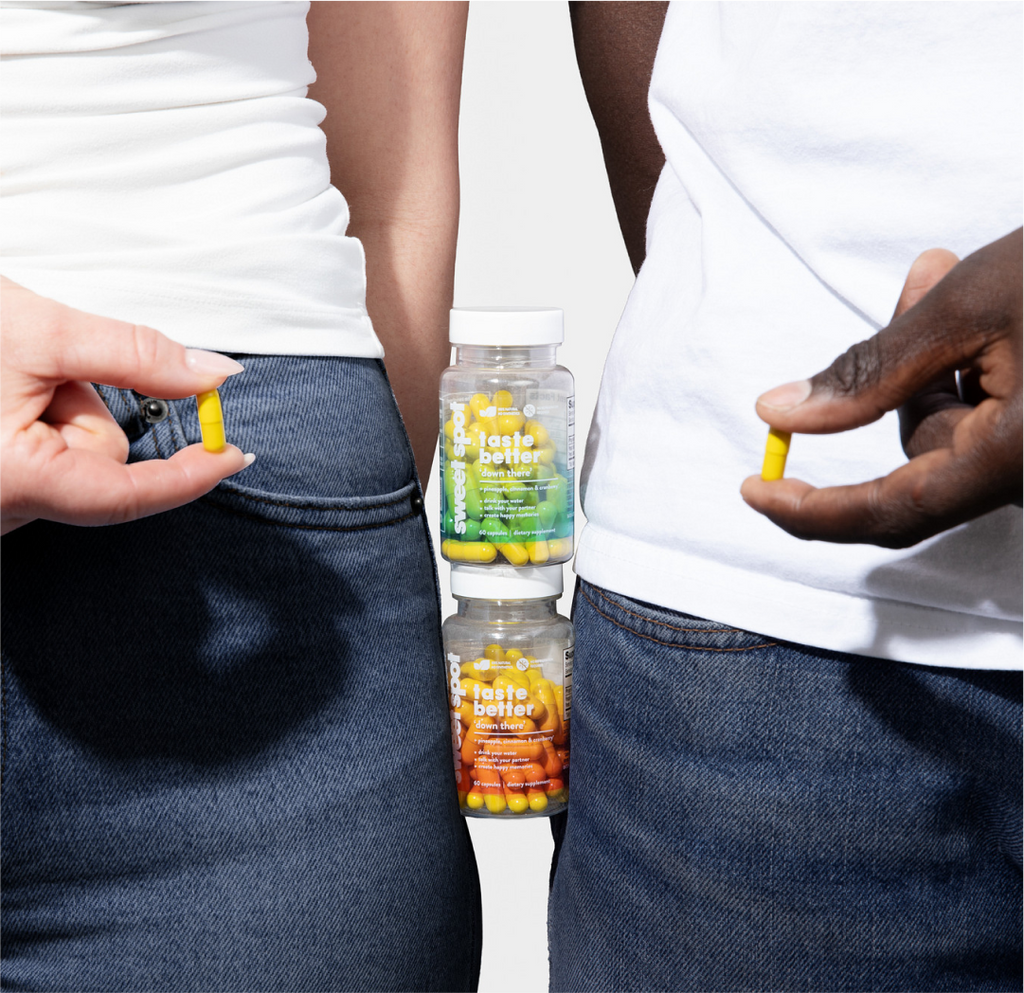
If you want a freshness routine beside real food, Women's Sweet Spot is pineapple extract plus a probiotic blend for intimate pH support and natural freshness. The page says two capsules a day with water, no artificial flavors or fillers, made in the USA. It is not a vitamin E supplement, and it is not a treatment for menopausal dryness or infection. Capsule pages offer a one-time purchase and automatic monthly delivery. The price, and any cancellation terms, are on that page. This article does not promise a refund or a pause button. You can also shop the full collection.
Frequently Asked Questions
Does vitamin E vaginal dryness research support a daily capsule?
Not in any strong way. Oral trials are small and uneven, so a capsule is not a reliable comfort plan. Dryness in menopause is often about lower estrogen. Ask a clinician about that directly. Vitamin E from food is fine as nutrition, and it is not a treatment for the tissue change.
Can I put a vitamin E capsule in the vagina?
No. Do not place gel caps, oils, or kitchen products in the vagina because a study somewhere used a preparation. Those studies are supervised. Home copies can irritate tissue and delay a diagnosis. If you want a moisturizer, ask which product belongs on the vulva and which, if any, a clinician wants you to use.
Which foods are worth eating for vitamin E?
Almonds, sunflower seeds, hazelnuts, spinach, and avocado are straightforward sources. You absorb the vitamin better when the meal has some fat, which those foods often already include. A handful several days a week is a food habit. It will not replace an exam if sex has become painful.
Is dryness always menopause?
No. Yeast, vulvar skin conditions, irritating soaps, low arousal, and some medicines can feel similar. Breastfeeding can lower estrogen for a while too. The overlap is why guessing a vitamin is a weak plan. A clinician can look. Bring a note about timing, discharge, and what you have already applied.
Will vitamin E change vaginal pH or odor?
There is no good reason to buy it for pH or odor. Fishy odor with thin discharge needs an exam, often to consider bacterial vaginosis. Vitamin E is not a treatment for that pattern. Use the nutrient, if you use it, for ordinary dietary reasons after you have handled the medical question.