pH Balance
What Vitamins Are Good for pH Balance? An Honest Guide
60 capsules per bottle · 30-day supply.
Shop For Her · $24.99 → Shop For Him · $24.99 →
What vitamins are good for pH balance? It sounds like a question with a ranked list, but the honest answer is that no vitamin sets your vaginal pH. When people ask, they usually mean vitamin D, vitamin C, vitamin E, the B vitamins, and zinc. The useful approach is knowing how to choose among them: test vitamin D, eat foods rich in C and E, and be careful with zinc.
Quick Answer
None of these vitamins sets vaginal pH. Vitamin D is the one to test rather than guess, vitamin C and vitamin E come mostly from food, B vitamins support your cells, and zinc helps immunity but can interfere with copper at long-term high intakes. A fishy odor still needs a clinician, not a vitamin.
So, What Vitamins Are Good for pH Balance?
In this search, "good" usually means "which bottle will move my pH." No oral vitamin has that job, and vaginal pH isn't a score that nutrients control.
"Good" can also mean "which nutrients are worth thinking about for overall intimate health." That list is pretty ordinary:
- Vitamin D, if you might be low
- Vitamin C and vitamin E, from meals
- B vitamins, if your diet or a medication raises a real question
- Zinc, only if your diet is limited or a clinician sees a gap
If your real concern is a fishy discharge, this list is the wrong errand. Book care first and let nutrition wait a week. For the bigger picture, see our vaginal pH balance guide.
Vitamin D: Why Testing Comes First
Vitamin D goes first on the list only because deficiency is common and food often doesn't cover it. Fatty fish, egg yolks, and fortified drinks help, yet many people still fall short, especially with little sun exposure.
The blood test is called 25-hydroxyvitamin D, and a clinician should read it. We won't say what number is enough or suggest units. Observational studies link lower vitamin D levels with bacterial vaginosis more often than chance, but that's an association, not a treatment, and not a reason to megadose because a pH strip looked off. If you're pregnant, don't add vitamin D on top of a prenatal unless your obstetric clinician agrees. Our article on testing vitamin D before supplements explains more.
Vitamin C and Vitamin E: Best From Your Plate
For vitamin C, think peppers, citrus, strawberries, and broccoli across the week. Some clinical research uses vaginal vitamin C tablets, but those are not a home protocol, and you should never place an oral product in the vagina. Read more in vitamin C and vaginal health.
For vitamin E, think almonds, sunflower seeds, spinach, and avocado, eaten with a little fat so you absorb what's there. Oral vitamin E has limited evidence for menopausal dryness, which is often a lower-estrogen conversation to have with a clinician rather than a capsule project.
Neither vitamin acidifies you on command, and neither is a deodorant. If produce is already part of your meals, you may not need a pill for these two at all, and that's a good outcome.
Do Zinc and B Vitamins Help With pH?
Think of them as supporting players. Zinc supports immune cells and tissue repair, and oysters, beef, pumpkin seeds, and lentils all supply it. More isn't a better pH strategy, though. Over long periods, high zinc intake can interfere with copper, so stacking cold lozenges, a multivitamin, and an intimate blend is a habit worth dropping.
B6, folate, and B12 support your cells and red blood cells. Hormonal birth control can lower some B vitamins, which is worth asking about rather than piling on supplements. If you eat no animal foods, you'll need a B12 plan. None of these facts flips a pH switch; see B vitamins and intimate health for details.
How to Choose Based on Your Actual Question
Matching the right step to the real question is the whole method:
- Worried about a pH strip reading? Strips shift after sex, during your period, and with infection, and a vitamin won't hold them steady.
- Noticing odor or itching? See a clinician.
- Wondering if you're low in vitamin D? Get the blood test.
- Not eating many plants or nuts? Improve your plate before your shopping cart.
- Pregnant? Check with your obstetric clinician before any new bottle.
A Simple Choosing Order, Not a Stack
- Test vitamin D before you increase it. Ask for 25-hydroxyvitamin D and let a clinician interpret it.
- Eat your vitamin C and vitamin E. Peppers, citrus, nuts, seeds, spinach, and avocado cover both for many people.
- Keep zinc modest. Start with food, and don't stack products.
- Leave B vitamins off pH duty. A birth control question belongs at a visit, not in a bottle bought to move a number.
Each nutrient has its own sensible habit. Take vitamin D with a meal that contains fat, and set a retest date if you were told to supplement. Pair vitamin C and E foods with ordinary meals, and pair zinc with copper awareness if you've been taking a lot for months.
How to Leave the Store With Less
If your plate was the gap, leave with food. Leave with one vitamin D product only if a clinician points you there, and leave zinc on the shelf unless there's a reason.
Pass on feminine blends that sprinkle all five nutrients in tiny amounts and call it pH support. Check for overlap with any prenatal you take. For this question, the best cart is often nearly empty, plus an appointment if symptoms started your search.
When to See a Doctor
A question about vitamins doesn't cancel symptoms. See a clinician if you have:
- Fishy odor with thin discharge
- Itching or burning
- Pelvic pain or fever
- Bleeding that isn't your period
- Pain when you pee
Don't start new supplements during pregnancy unless your obstetric clinician agrees, and don't use a home pH strip as a reason to megadose vitamin D. This article is general information, not medical advice.
A Freshness Routine Is Separate From Vitamins
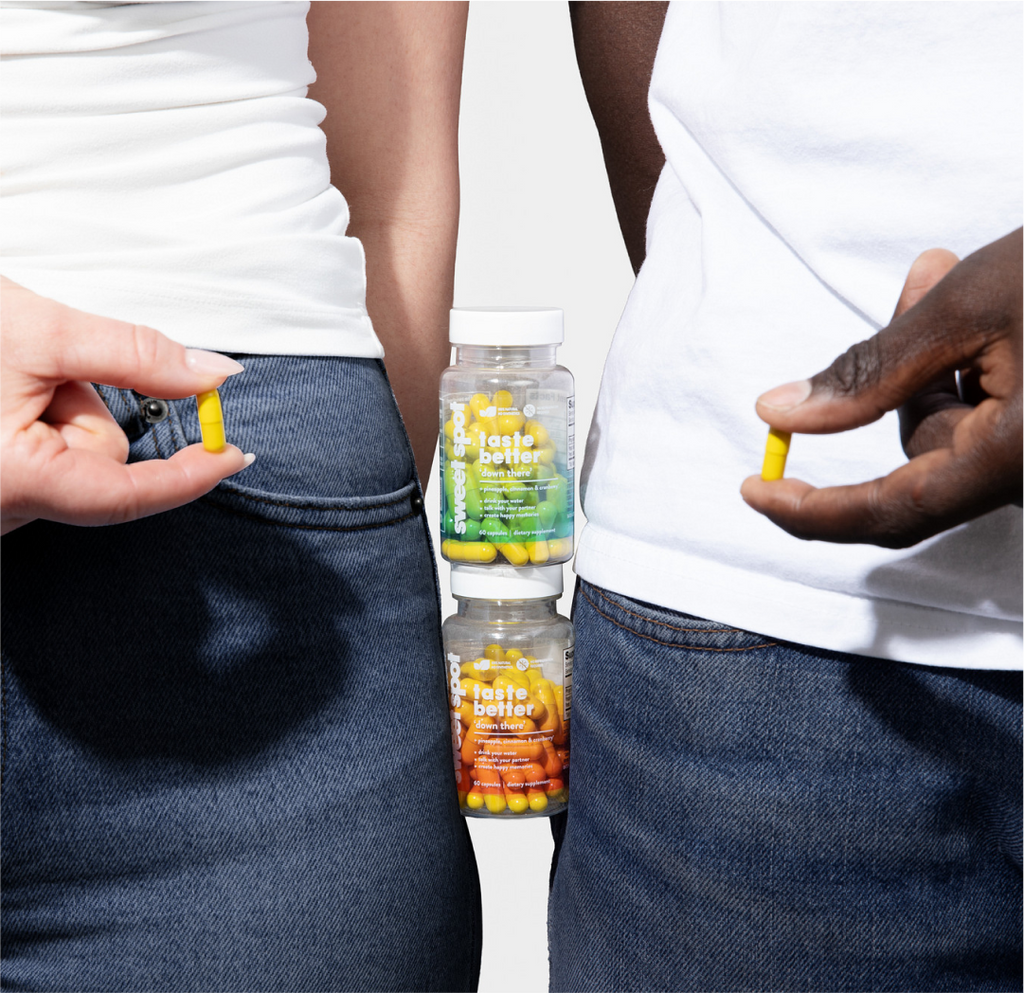
If you'd like a daily habit alongside a good diet, Sweet Spot For Her is a probiotic-friendly pineapple-extract dietary supplement to support natural freshness, taken as two capsules a day with water. It isn't vitamin C, vitamin D, zinc, or a B complex, and it isn't a treatment for a pH reading or an infection, so think of it as everyday wellness rather than a shortcut through this list.
Frequently Asked Questions
Is there a best time of day to take vitamin D?
Timing matters less than taking it with a meal that contains some fat, since vitamin D is fat-soluble. Breakfast with eggs or dinner with fish both work. If you were told to supplement, pick the meal you never skip so you remember, and put a retest date in your calendar.
Should I take all of these vitamins together?
No. Overlap, especially extra zinc, is the main risk, not a missed synergy. Look at what you already take, including a prenatal, and add only the nutrient that matches a test result or a clear gap. A blend listing every one of them in tiny amounts is a crowded label, not a smarter plan.
Do gummy vitamins count the same as tablets?
They can, but gummies often contain added sugar and sometimes smaller amounts of each nutrient. Read the panel rather than the front of the bag, and count gummies toward your daily total if you also take a multivitamin. Our guide to gummy vitamins and intimate health shows what to look for.
What if my home pH strip always reads high?
Stop chasing it with vitamins. Strips shift after sex, during your period, and with infection, and a high reading with fishy odor or unusual discharge needs an exam. Note the dates you tested and bring them along. Never place vitamin tablets in the vagina to copy research.
Does birth control affect which vitamins I need?
Hormonal birth control can lower some B vitamins, which is a fair question for your prescriber at your next refill. It doesn't turn B vitamins into a pH adjuster. Mention your method if you ask about lab tests, and don't stop contraception because of a vitamin theory you saw next to an odor ad.
YOUR NEXT STEP, ON YOUR TERMS
Keep it simple.
Find your routine.
Explore daily supplements and external-care essentials. Our products are not treatments for medical conditions; speak with a qualified clinician about symptoms or health concerns.
Or explore other products: