

Probiotics for Vaginal Odour and Yeast: What the Evidence Says
Short answer: the evidence for probiotics in vaginal health is real but narrower than the marketing suggests. They perform best alongside antibiotic treatment for bacterial vaginosis — reducing recurrence — rather than as a standalone cure.
Two strains carry most of the trial data: Lactobacillus rhamnosus GR-1 and L. reuteri RC-14. Even for those, oral dosing reaches the vagina poorly. One randomised crossover trial in pregnant women detected GR-1 in only 5% of participants and RC-14 in none.
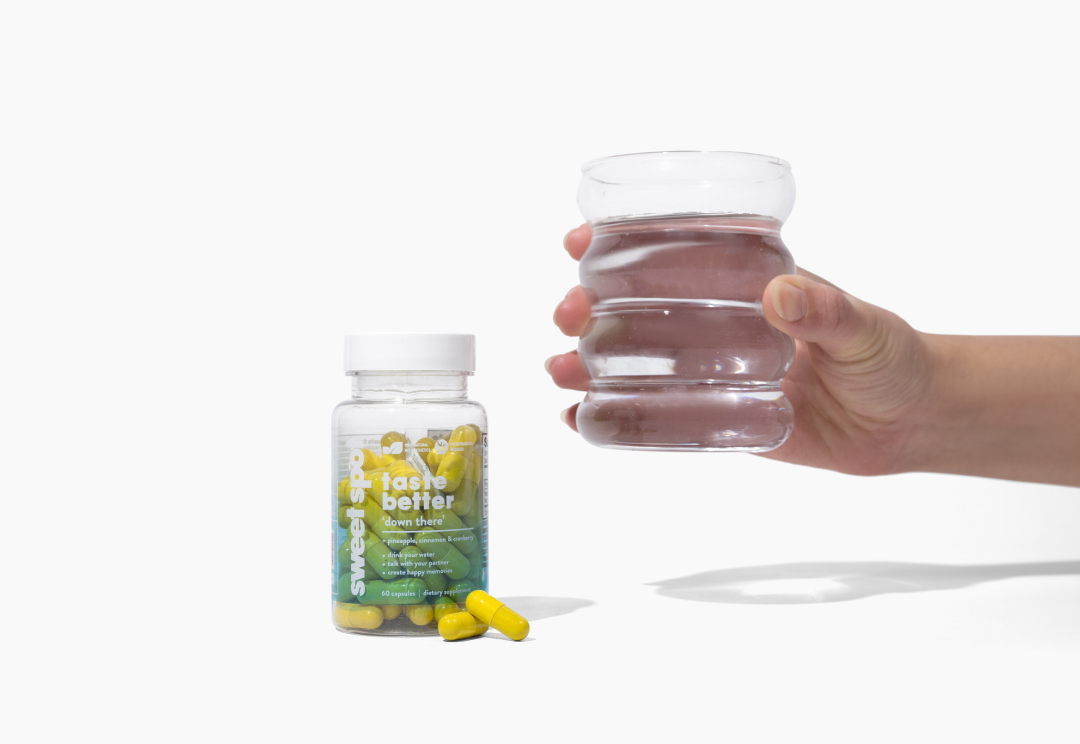
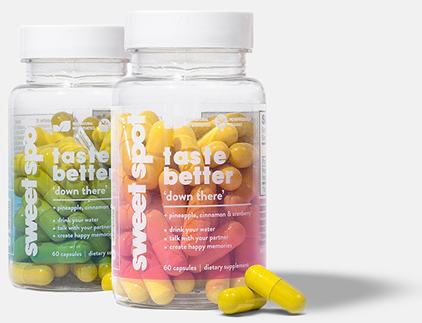
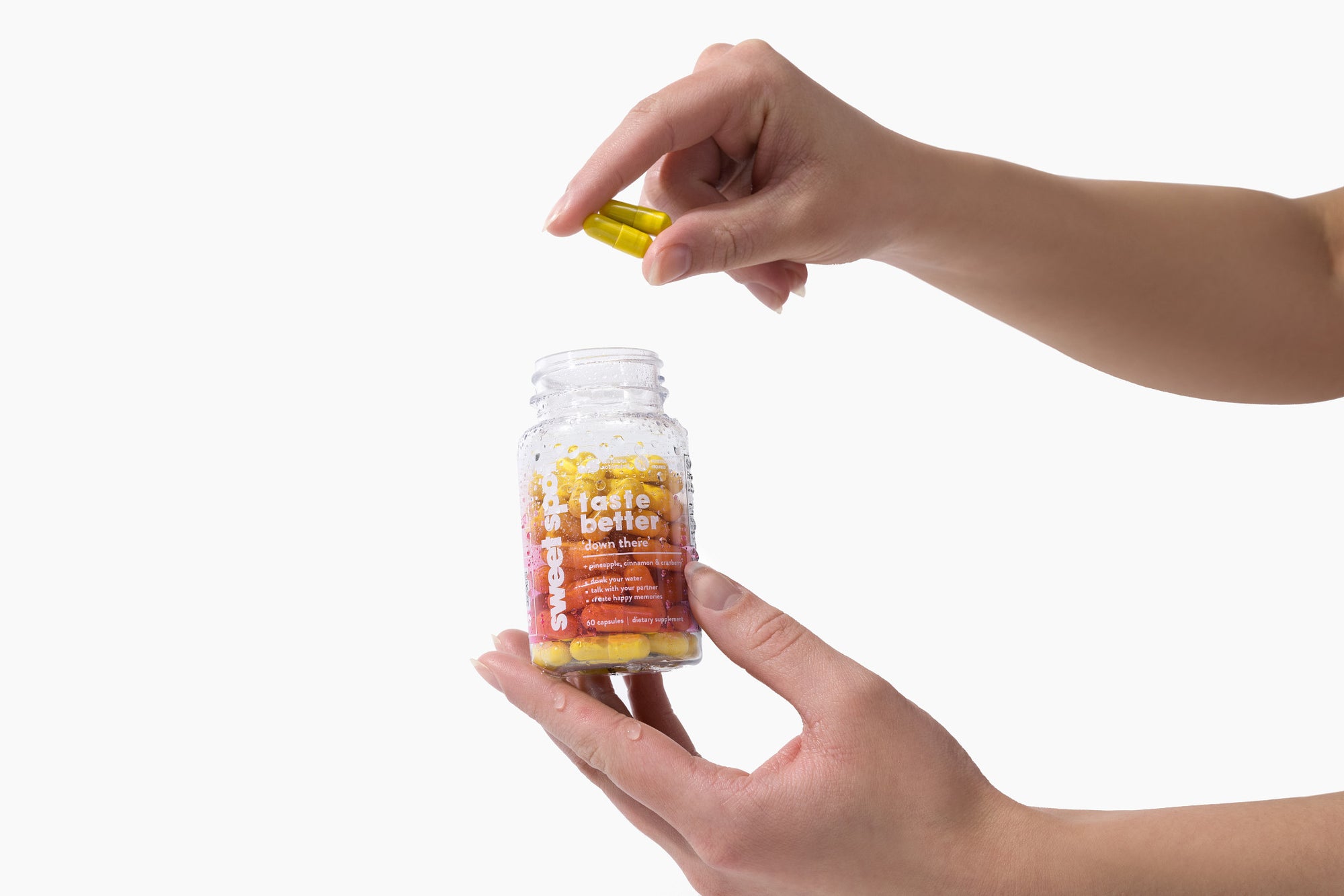
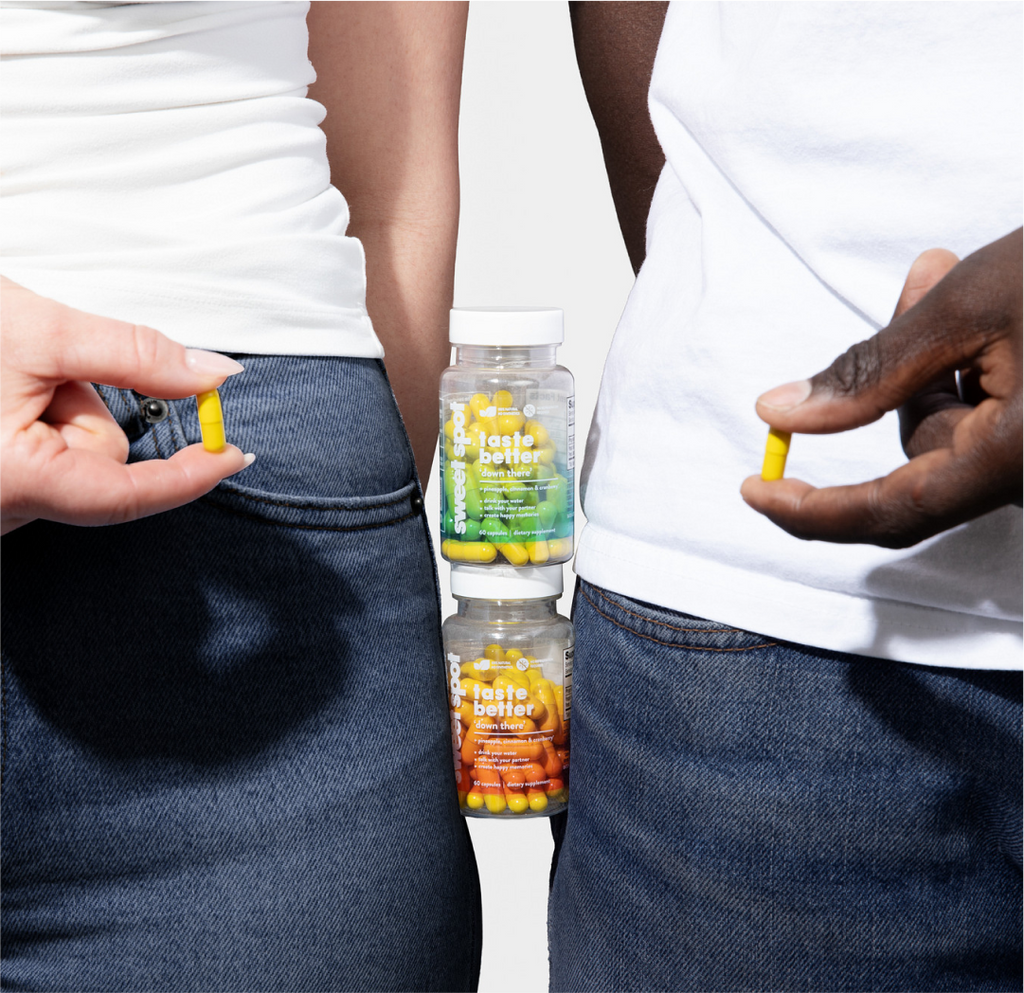
This page is written in the third person about probiotics as a product category. Taste The Sweet Spot does not sell probiotics. Our products are pineapple-extract intimate wellness supplements — no named strains, no CFU count, and not a treatment for any infection. We would rather send you to the right product than sell you the wrong one.
- Probiotic
- Live micro-organisms of named strains, dosed at a stated CFU count, taken to influence a microbiome. If a label names no strain and prints no number, it is not meaningfully a probiotic.
- CFU
- Colony-forming units — how many live organisms are in a dose. Vaginal trials typically use 1–5 × 10⁹ CFU per strain, twice daily. It should be guaranteed at expiry, not at manufacture.
- Lactobacillus
- The genus that dominates a healthy vaginal microbiome. L. crispatus, L. jensenii, L. gasseri and L. iners are the usual residents; L. crispatus dominance is generally the most stable state.
- GR-1 and RC-14
- L. rhamnosus GR-1 and L. reuteri RC-14 — the two strains with the most vaginal-health trial data. Results are mixed, and strongest as an adjunct to antibiotics.
- Bacterial vaginosis (BV)
- An overgrowth of anaerobic bacteria replacing lactobacilli, with pH above 4.5. The classic sign is a strong fishy odour, often worse after sex. It is diagnosed clinically and usually treated with metronidazole.
- Yeast infection (candidiasis)
- Overgrowth of Candida, typically C. albicans. Thick white discharge with itching or burning. Different organism, different treatment — antifungals, not antibiotics.
- Suppository
- Inserted vaginally rather than swallowed. Delivers strains directly, skipping digestion. Better delivery, worse adherence.
- Supplement
- A concentrated dietary input in capsule form. What we sell. Pineapple extract, no live strains, not a treatment.
BV and yeast are not the same thing
They get treated as interchangeable and they are not. Getting this wrong is the most common reason people spend months on the wrong product.
- Bacterial vaginosis — thin grey or white discharge, strong fishy odour especially after sex, pH above 4.5, usually little or no itching. Bacterial. Treated with antibiotics.
- Yeast infection — thick white discharge like cottage cheese, itching and burning, often no strong odour, pH usually normal. Fungal. Treated with antifungals.
Antifungals do nothing for BV. Antibiotics do nothing for yeast and can trigger one. The full comparison is here, and if you are unsure, that is exactly what a clinician is for.