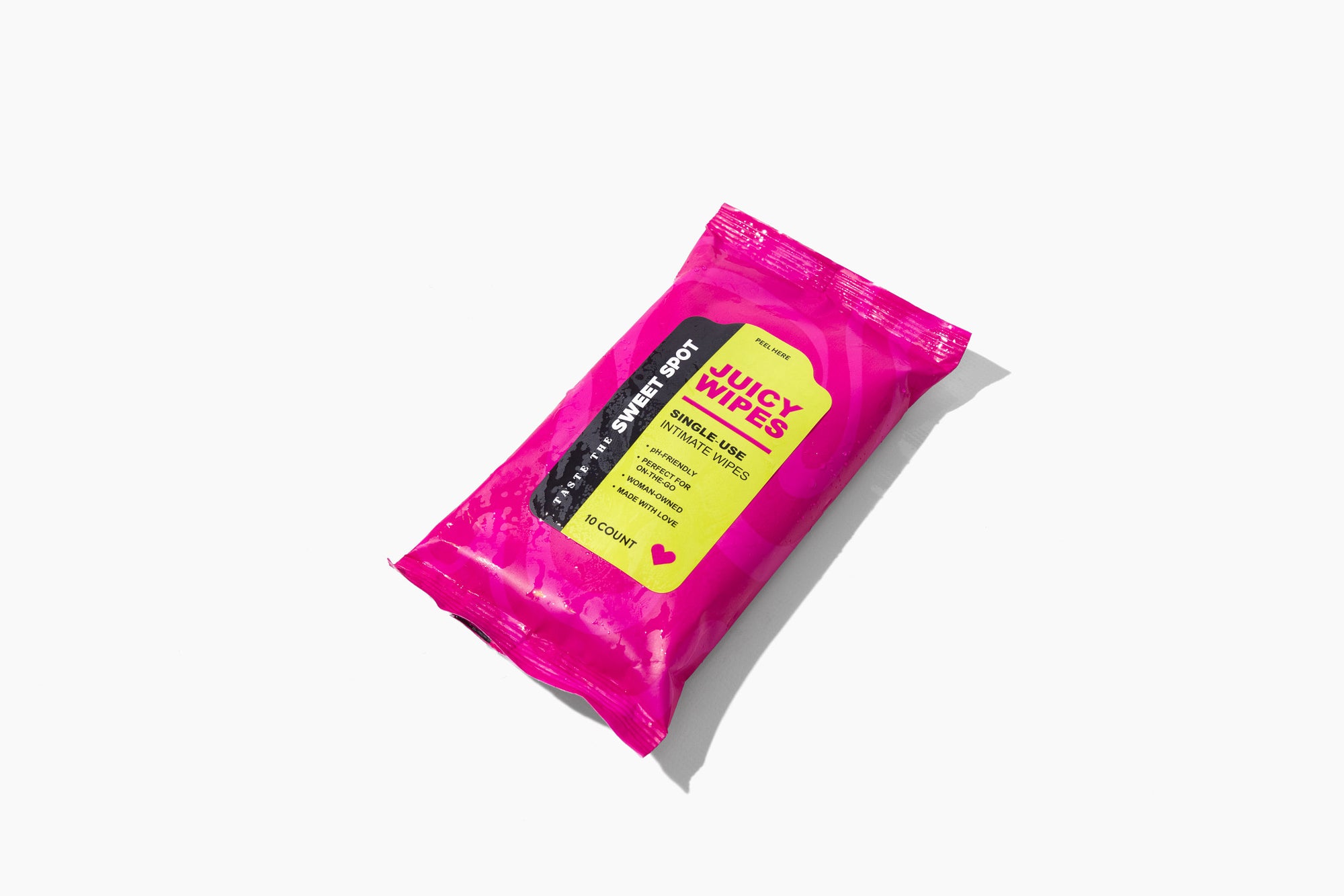
Get 20% off your order with code FRESH — or subscribe and save for monthly deliveries!

How to taste better — honestly

How to taste better — honestly

How to Taste Better: The Complete Guide for Men and Women

Short answer: what you taste like is mostly what you drank, what you ate in the last two or three days, and whether you smoke. Semen and vaginal fluid both carry the byproducts of your diet, and both shift within days when the inputs change. Pineapple is not a myth, but it is badly oversold — the bigger levers are water, cutting alcohol and cigarettes, and dropping the four or five foods that reliably make people taste bitter.

This page is the whole subject in one place: what semen and vaginal fluid actually taste like and why, what makes them bitter, salty or sour, the foods that help and the ones that sabotage you, whether pineapple and bromelain do anything measurable, how long a change actually takes, and where supplements fit — along with the point at which taste stops being a diet question and becomes a medical one.

Every claim here is either mechanical (this is what the fluid is made of) or honestly labelled as thin evidence. Where the research is weak, we say so. There are 393 deeper guides in the #juicyvibes blog if you want to go further on any one section.

The terms, defined properly

Most pages on this topic use these words interchangeably. They are not interchangeable, and the difference explains most of the confusion.

Semen
The whole ejaculate. Roughly 65–70% comes from the seminal vesicles (amino acids, proteins, vitamin C, citrate, fructose) and 25–30% from the prostate (zinc, citric acid, enzymes). Sperm cells themselves are about 1–5% of the volume and contribute almost nothing to flavour. So "what does sperm taste like" and "what does semen taste like" are really the same question, and the answer is about the fluid, not the cells.
Ejaculate / "nut" / "load"
Everyday words for semen. Same substance, same answer.
Vaginal fluid
A mix of cervical mucus, vaginal transudate and shed cells, kept acidic by resident Lactobacillus bacteria producing lactic acid. Healthy vaginal pH sits around 3.8–4.5 — genuinely acidic, which is why the natural taste is usually described as tangy, sharp or slightly metallic rather than sweet or neutral.
pH
A 0–14 scale of acidity. Below 7 is acidic, above 7 alkaline. This single number is why the two fluids taste so different from each other: semen is alkaline at pH 7.2–8.0, vaginal fluid is acidic at 3.8–4.5. Alkaline reads as bitter on the tongue. Acidic reads as sharp or sour. Neither is a fault.
Bromelain
A group of protein-digesting enzymes found in pineapple, concentrated in the stem and core. It is the specific compound behind every "eat pineapple" claim on the internet. What it actually does — and does not do — is covered in full here.
Probiotics
Live micro-organisms of named strains, dosed at a stated CFU count, taken to influence a microbiome. In vaginal health the researched strains are Lactobacillus rhamnosus GR-1 and L. reuteri RC-14. This is a distinct product category and not what our supplements are — see the section below, which is blunt about the difference.
Supplement
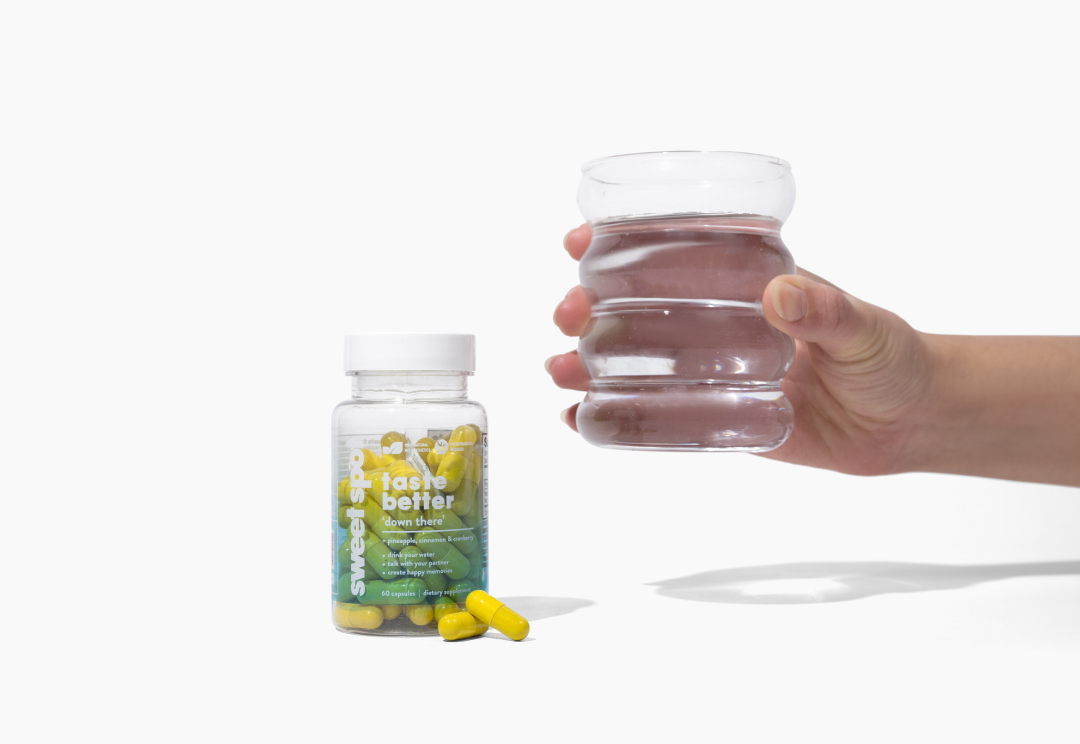
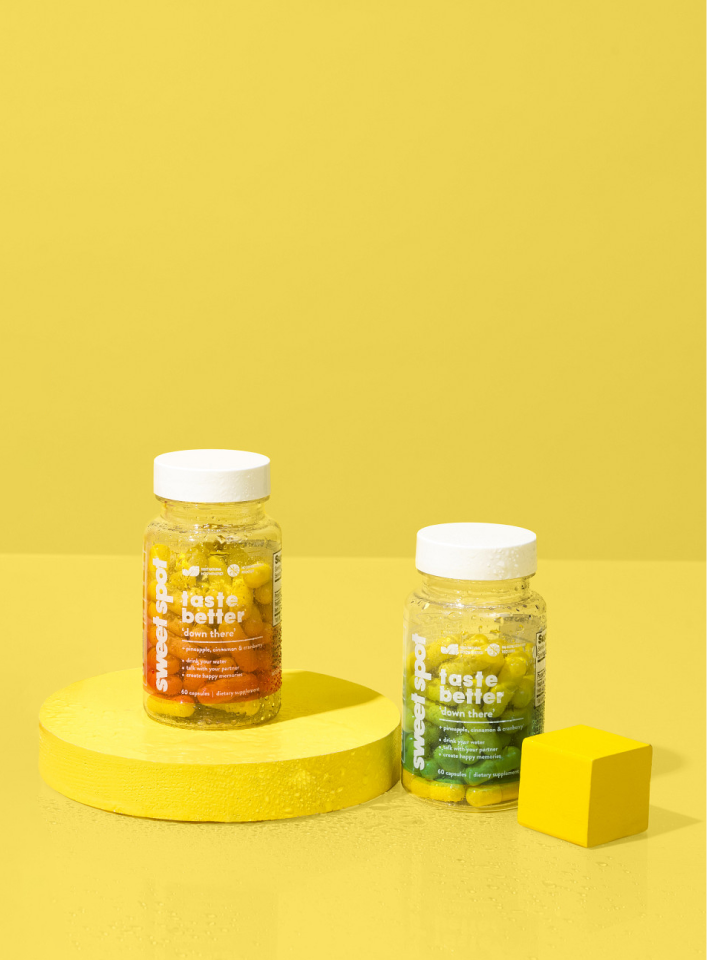
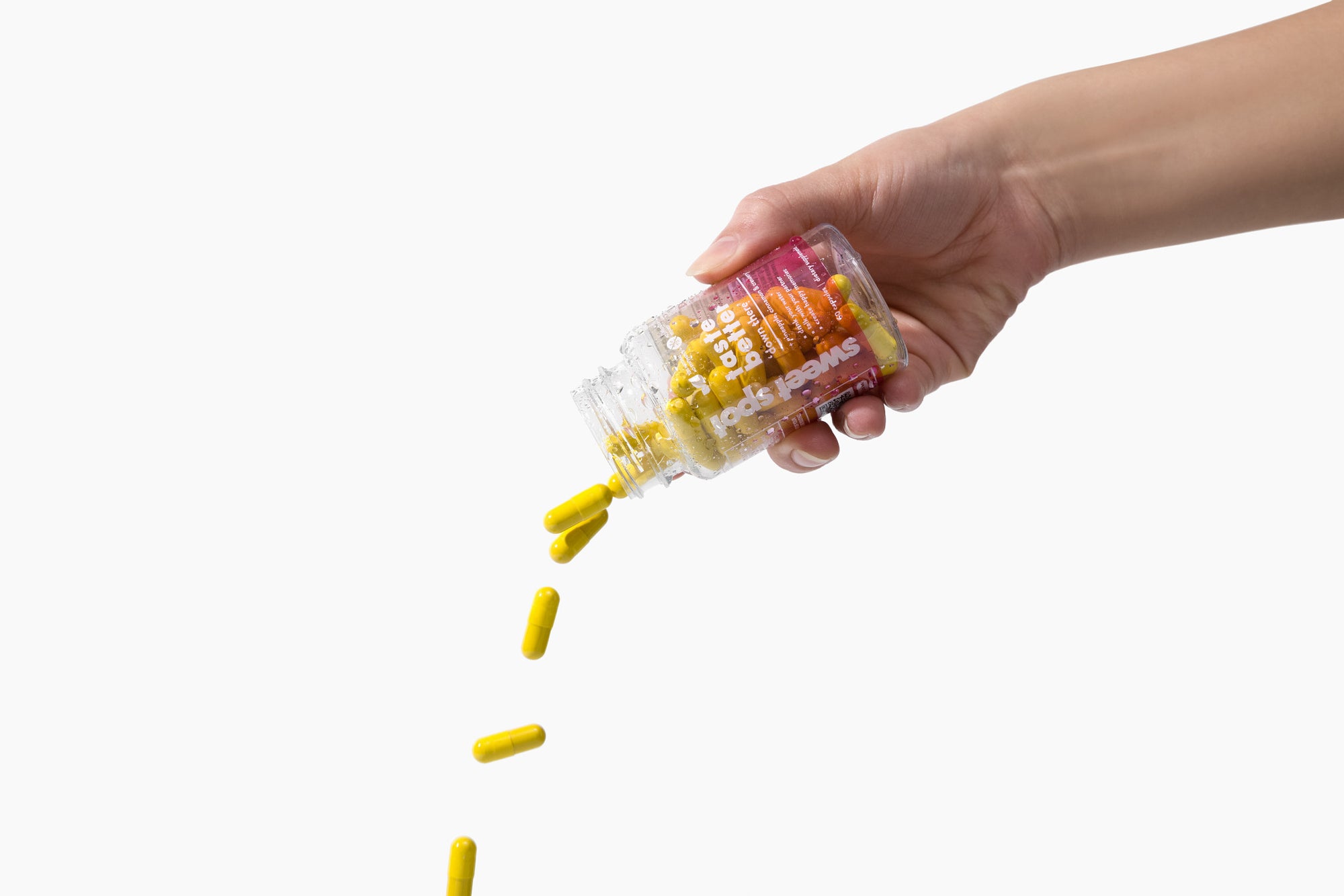
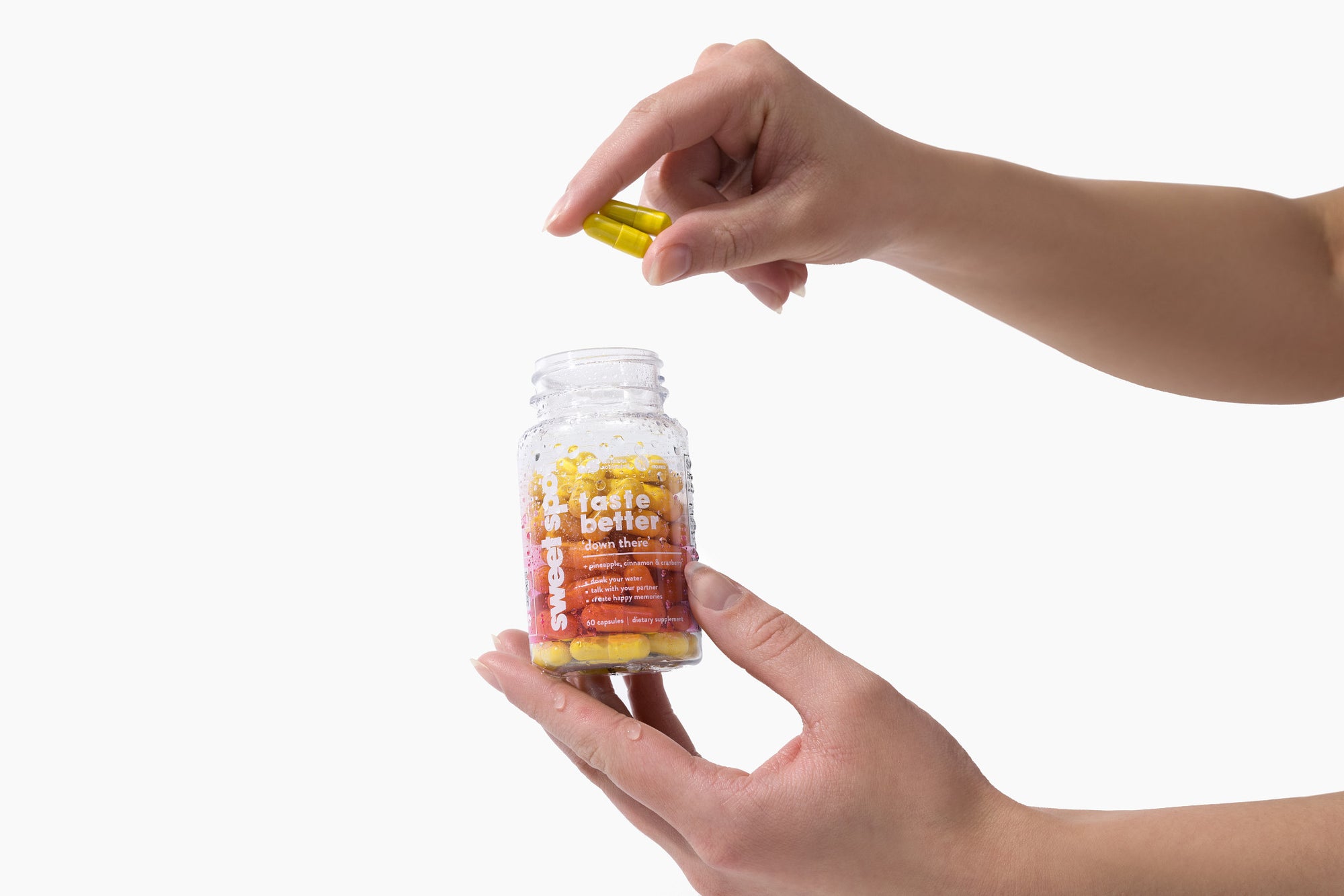
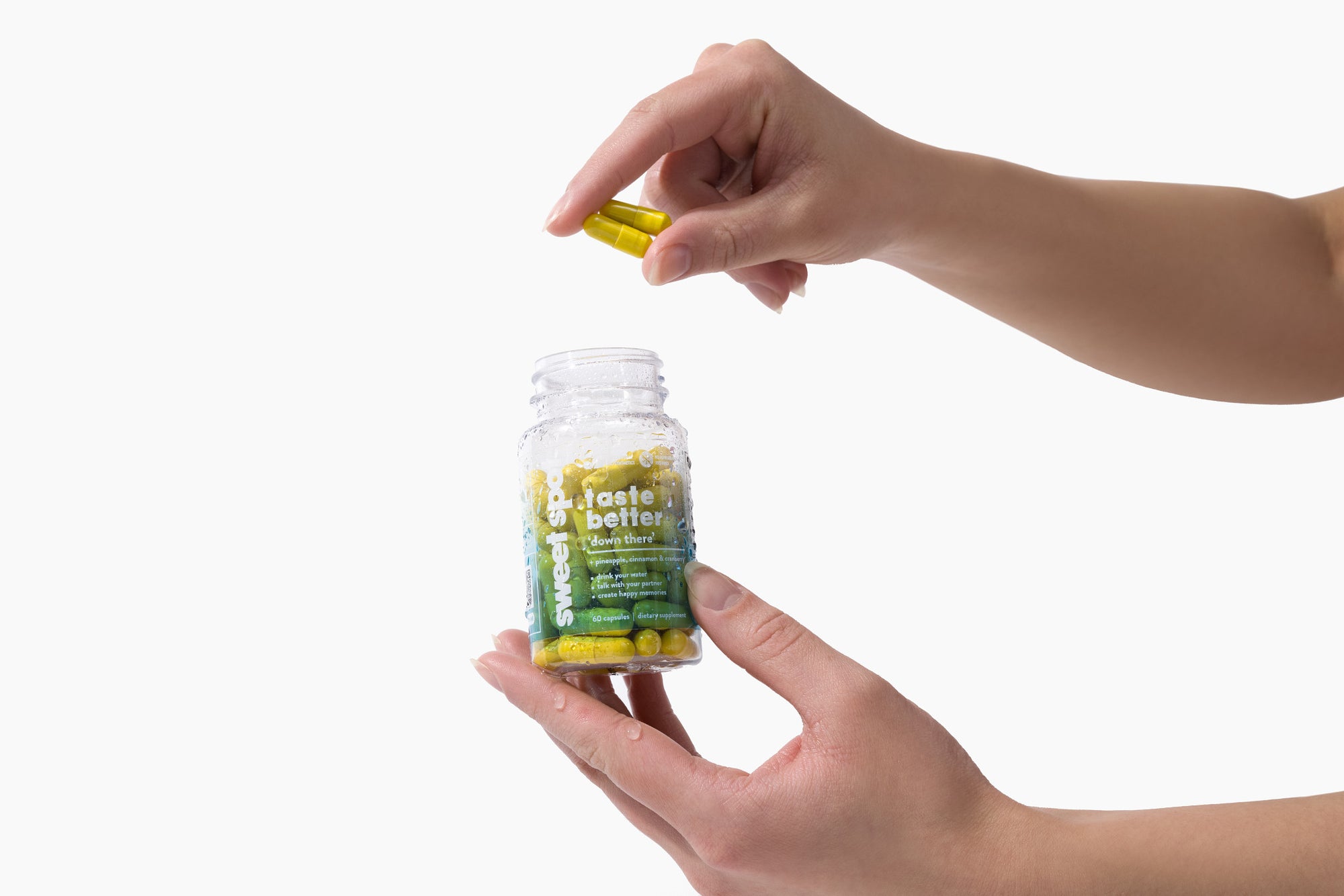
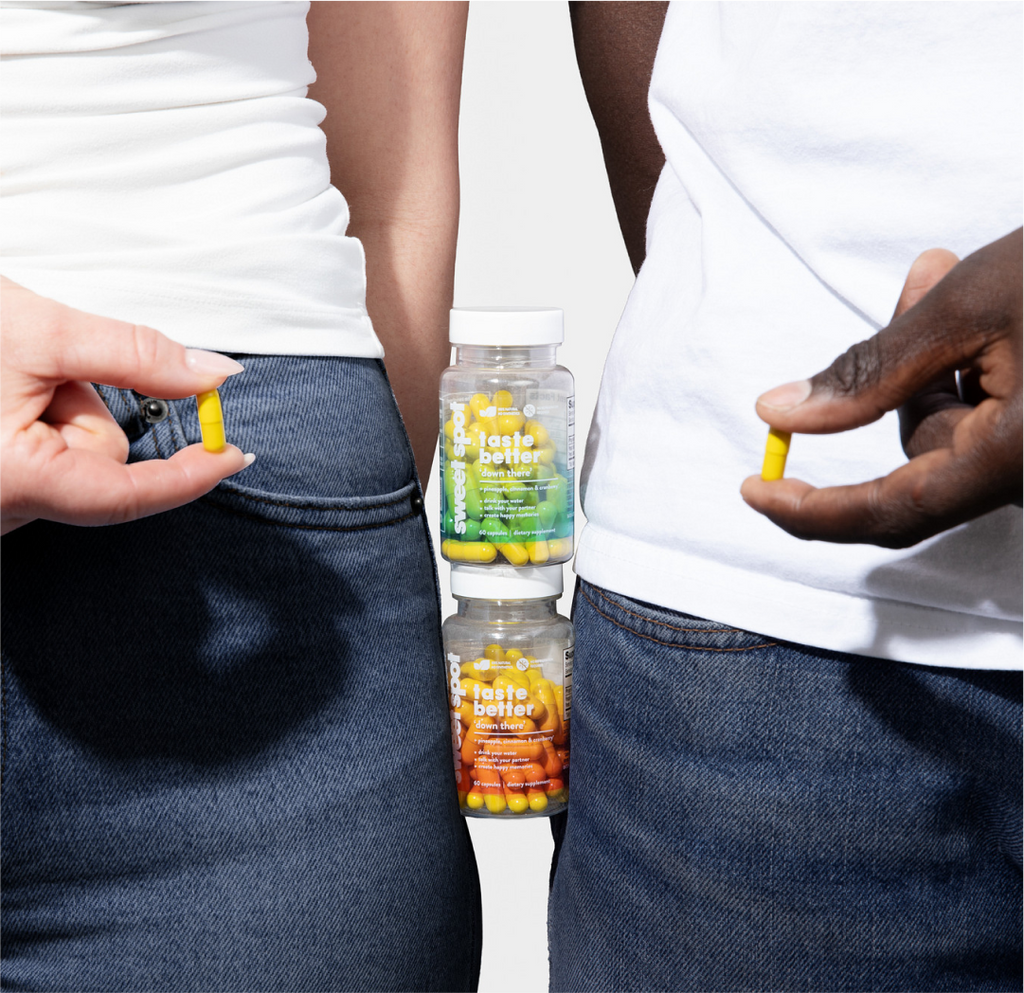
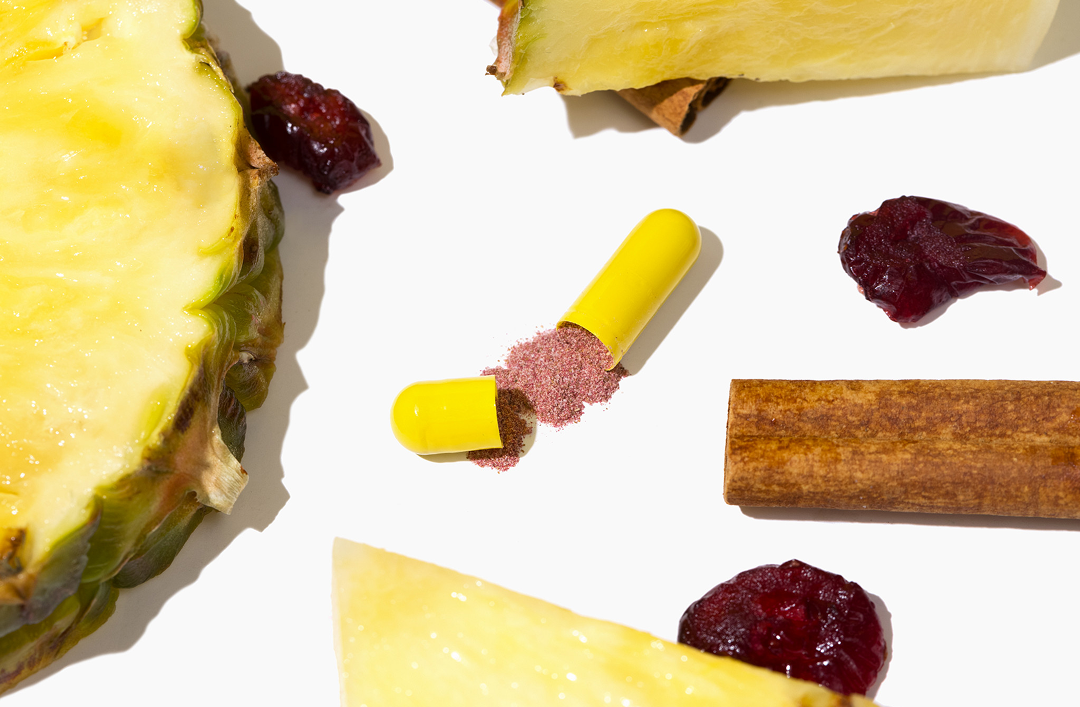
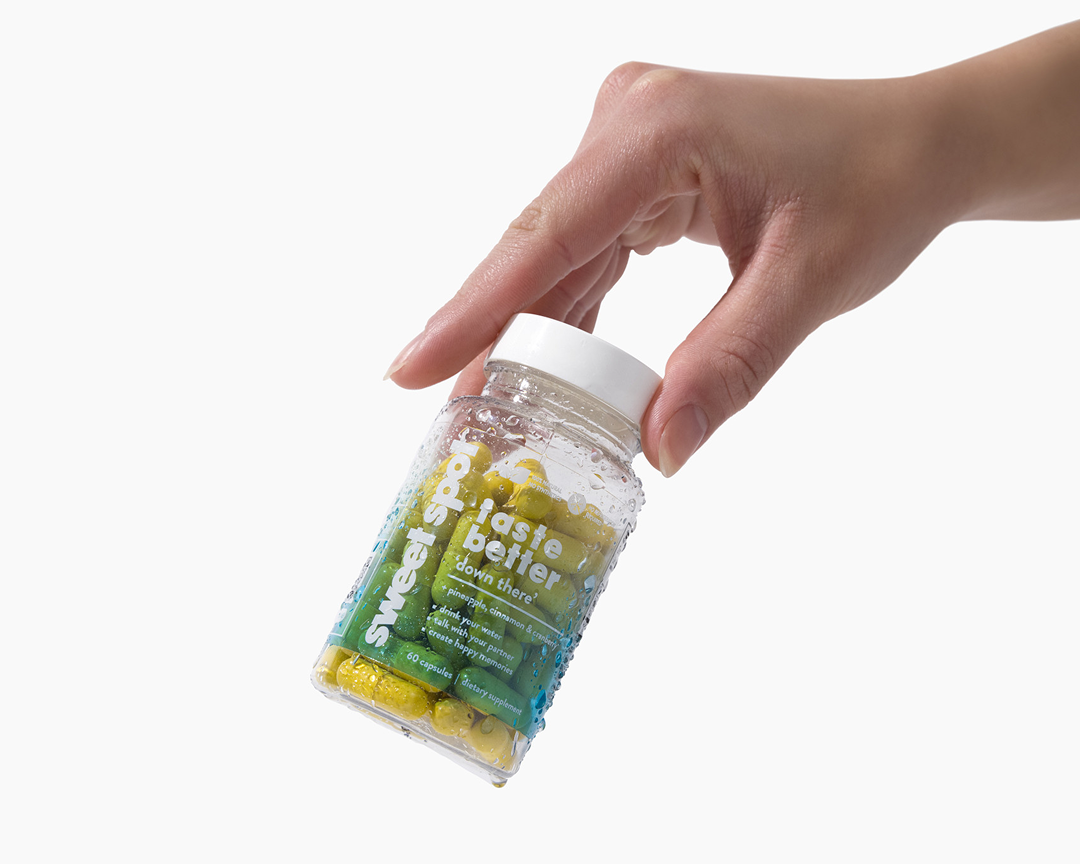
A concentrated dietary input taken in capsule form. Our products are pineapple-extract intimate wellness supplements: a way of getting a consistent daily dose of the relevant plant compounds without eating a whole pineapple every day. That is the entire claim.

The honest short version, before the detail

  1. Baseline taste is normal. Semen is mildly salty and slightly bitter. Vaginal fluid is tangy and slightly acidic. Neither is supposed to taste like fruit.
  2. Diet moves it, but slowly. Expect three to seven days for a real change, not an afternoon. Semen is produced continuously; you are waiting on turnover, not digestion.
  3. What hurts is more reliable than what helps. Cigarettes, heavy alcohol, coffee, red meat, asparagus, garlic and onion consistently push taste towards bitter and sulphurous. Removing them beats adding anything.
  4. Water is the most underrated lever. Dehydration concentrates everything. It is free and it works faster than any food.
  5. Pineapple is real but modest. Plausible mechanism, high sugar and fruit acid, genuinely weak formal evidence. Useful, oversold.
  6. A strong fishy odour is not a diet problem. It is the classic sign of bacterial vaginosis and needs a clinician, not a smoothie. Covered below — this is the part most pages skip.

What is on this page

Supplements and probiotics are not the same thing

This distinction is worth being direct about, because the whole category blurs it deliberately.

A probiotic delivers live bacteria of a named strain at a stated dose, with the goal of changing which organisms are living in you. The vaginal strains with real trial data behind them are Lactobacillus rhamnosus GR-1 and L. reuteri RC-14, typically studied at 1–5 × 10⁹ CFU of each, twice daily. Even there the results are mixed: one crossover trial in pregnant women found GR-1 detectable in the vagina in only 5% of participants after oral dosing, and RC-14 in none. The strains that show the clearest benefit for bacterial vaginosis do so alongside antibiotics, not instead of them.

Our products are supplements, not probiotics. They are built on concentrated pineapple extract. They do not claim named bacterial strains, they do not publish a CFU count, and they are not a treatment for any infection. What they are is a consistent, repeatable daily dose of the plant compounds people otherwise try to get by eating pineapple every day — which almost nobody sustains.

If you specifically want live bacterial strains for recurrent BV or yeast infections, buy an actual probiotic with the strains printed on the label, and talk to a clinician first. We would rather say that than sell you the wrong thing.

When taste or smell is a medical sign, not a diet problem

This is the section most competitor pages leave out, and it is the one that matters most.

Diet shifts taste within a normal range. It does not cause, and cannot fix, the following. See a clinician if you have:

  • A strong fishy odour, particularly after sex — the hallmark of bacterial vaginosis, caused by a pH shift above 4.5 and an overgrowth of anaerobic bacteria.
  • Thick white discharge with itching or burning — typically a yeast infection.
  • Grey, green or frothy discharge, or any discharge with pelvic pain.
  • Pain on ejaculation, or blood in semen.
  • A sudden, marked change in odour or taste that does not track any change in diet.

No supplement is a treatment for any of these, and anyone selling you one as such is lying to you. Here is how to tell BV and a yeast infection apart, and here is the full guide to what different odours actually mean.
Four questions. Straight answers.

  • Why do I taste the way I do?

    Semen is alkaline (pH 7.2–8.0), which the tongue reads as bitter. Vaginal fluid is acidic (pH 3.8–4.5), which reads as tangy. Both are normal.
  • What actually changes it?

    Water, then removing cigarettes, alcohol, coffee and sulphur-rich foods. Removing the bad reliably beats adding the good.
  • Does pineapple work?

    Modestly. Plausible mechanism, thin formal evidence, and it takes days of consistency — not one glass of juice before a date.
  • How long does it take?

    24–48 hours for hydration effects, three to seven days for a real shift, two to four weeks for a stable new baseline.
rotate-image

Diet, pineapple, or a supplement — what each one actually does

Scroll left to right  Cutting the bad stuff Eating fresh pineapple Daily supplement
Speed of effect
1–3 days. Fastest of the three.
3–7 days.
3–7 days.
Size of effect
Largest. Removing beats adding.
Modest.
Modest, but consistent.
Easy to keep up
Hard. It means giving things up.
Most people stop within a fortnight.
Two capsules. This is the whole point.
Strength of evidence
Strong and mechanical.
Thin. Plausible, largely anecdotal.
Same thin evidence as the fruit.
Treats infection
No.
No.
No. See a clinician.
rotate-image
From daily blends to care essentials — your chemistry, covered.

The Sweet Spot Edit

The 7-Day Reset

Days 1–2 — hydration. Two to three litres of water daily. Cut coffee to one. No alcohol. This alone is noticeable by day two.

Days 2–4 — subtract. No asparagus, garlic, onion or cruciferous vegetables. Reduce red meat and heavy dairy. If you smoke, this is the week to stop.

Days 3–7 — add. Two to three servings of fruit daily — pineapple, mango, papaya, citrus, watermelon. Parsley or mint with meals. Start the supplement now if you are using one.

Day 7 onward — hold it. A stable new baseline lands somewhere between weeks two and four. Consistency beats intensity, every time.

The full week-by-week timeline →

FROM OUR AMAZING CUSTOMERS

Loved by Those Who Know

star_rating

“Happy I found this product and to change my diet at all and even happier I don't need to worry about taste down there!”

star_rating

“Really gives a great flavor when you're having some fun.”

star_rating

Works fast. And obviously WORKS.

star_rating

“This is hands down the best supplement I’ve tried — I’m obsessed and already repurchased.”

pill-image
star_rating

“My guy won’t stop going down on me. He says I taste like flowers and fruit. I’m not correcting him.”

AUTHENTIC REVIEWS YOU CAN TRUST

EXPLORE OUR PRODUCTS

Questions people actually ask

  • Mildly salty with a slightly bitter edge, sometimes described as metallic or faintly sweet. That profile comes from the fluid's chemistry: it is alkaline at pH 7.2–8.0, which reads as bitter, it carries sodium and zinc, which read as salty and metallic, and it contains a small amount of fructose, which lends the faint sweetness underneath.

  • No. Sperm cells are only about 1–5% of the ejaculate and contribute effectively nothing to flavour. What you taste is the seminal and prostatic fluid carrying them, so "sperm taste" and "semen taste" describe the same thing.

  • Sodium and other mineral salts, mostly from the seminal vesicles. Dehydration makes it more pronounced, because less water means everything in the fluid is more concentrated.

  • Mainly the alkaline pH — the human tongue reads alkaline as bitter. It gets worse with cigarettes, heavy alcohol, coffee, red meat, and sulphur-rich foods like asparagus, garlic and onion, all of which add their own bitter or sulphurous byproducts.

  • Usually a diet high in acidic foods, coffee or alcohol, or a longer gap since the last ejaculation. On its own, sour is a normal variation. Combined with pain, unusual colour, or a strong offensive odour, it is worth a doctor's visit rather than a diet change.

  • Modestly, and not immediately. Pineapple is high in sugars and fruit acids and contains bromelain, which gives a plausible mechanism for a shift towards sweeter and less bitter — but the formal evidence is thin and largely anecdotal. Expect a subtle change after several days of consistent intake, not a transformation after one glass of juice.

  • Three to seven days of consistent daily intake. A single serving before a date will not do it, because you are waiting on the turnover of continuously produced fluid rather than on digestion.

  • Pineapple, mango, papaya, oranges, watermelon, grapes, berries, celery, parsley, mint, cinnamon and plenty of water. The shared theme is high water content, natural sugars and low sulphur.

  • Asparagus, garlic, onion, broccoli and cabbage for their sulphur compounds; red meat and heavy dairy for their slow-digesting proteins; coffee, alcohol and cigarettes for the strongest effect of all. Removing these reliably does more than adding anything.

  • By sugar content, dates, then mango, grapes, cherries and pineapple. For this purpose, though, water content and acidity matter as much as sweetness, which is why watermelon and citrus perform better than their sugar numbers suggest.

  • Yes, on the same basis as pineapple: high water, natural sugar and citric acid. Fresh fruit beats juice, since juice concentrates the sugar and strips the fibre.

  • It helps, mostly through hydration. Watermelon is about 92% water, and hydration is the single most reliable lever on taste, so it works on two fronts at once.

  • Water first, then a diet with plenty of fruit and fewer sulphur-heavy foods, and leave the internal environment alone — no douching, no scented washes, which raise pH and make odour worse. Healthy vaginal pH is 3.8–4.5 and naturally tangy; the aim is a balanced version of that, not fruit flavour.

  • A supplement gives you a consistent daily dose of the same plant compounds you would get from eating fruit, which is the part most people fail to sustain. It cannot outrun a diet full of cigarettes, alcohol and garlic, and it is not a treatment for any infection.

  • They are supplements marketed to support the acidic vaginal environment. Diet, hydration and avoiding douching do most of the work; if you have recurrent bacterial vaginosis or yeast infections, that is a clinical issue and needs a clinician, not a supplement.

  • No. They are pineapple-extract intimate wellness supplements. A probiotic delivers live bacteria of named strains at a stated CFU count — ours name no strains and publish no CFU, so calling them probiotics would be a claim the label cannot support.

  • Small changes from hydration within 24–48 hours, a noticeable shift in three to seven days, and a stable new baseline at two to four weeks. Consistency matters far more than intensity.

  • In the hours before: water, fruit and something light. What you ate over the previous two or three days matters more than anything you eat on the day, so treat it as a habit rather than a pre-date ritual.

Every guide on this subject, by topic

The pages below go deeper than this one. They are the reason this page can stay readable.

Semen, sperm and cum: taste, causes, fixes

Foods, drinks and hydration

Pineapple and bromelain

Vaginal taste, pH and freshness

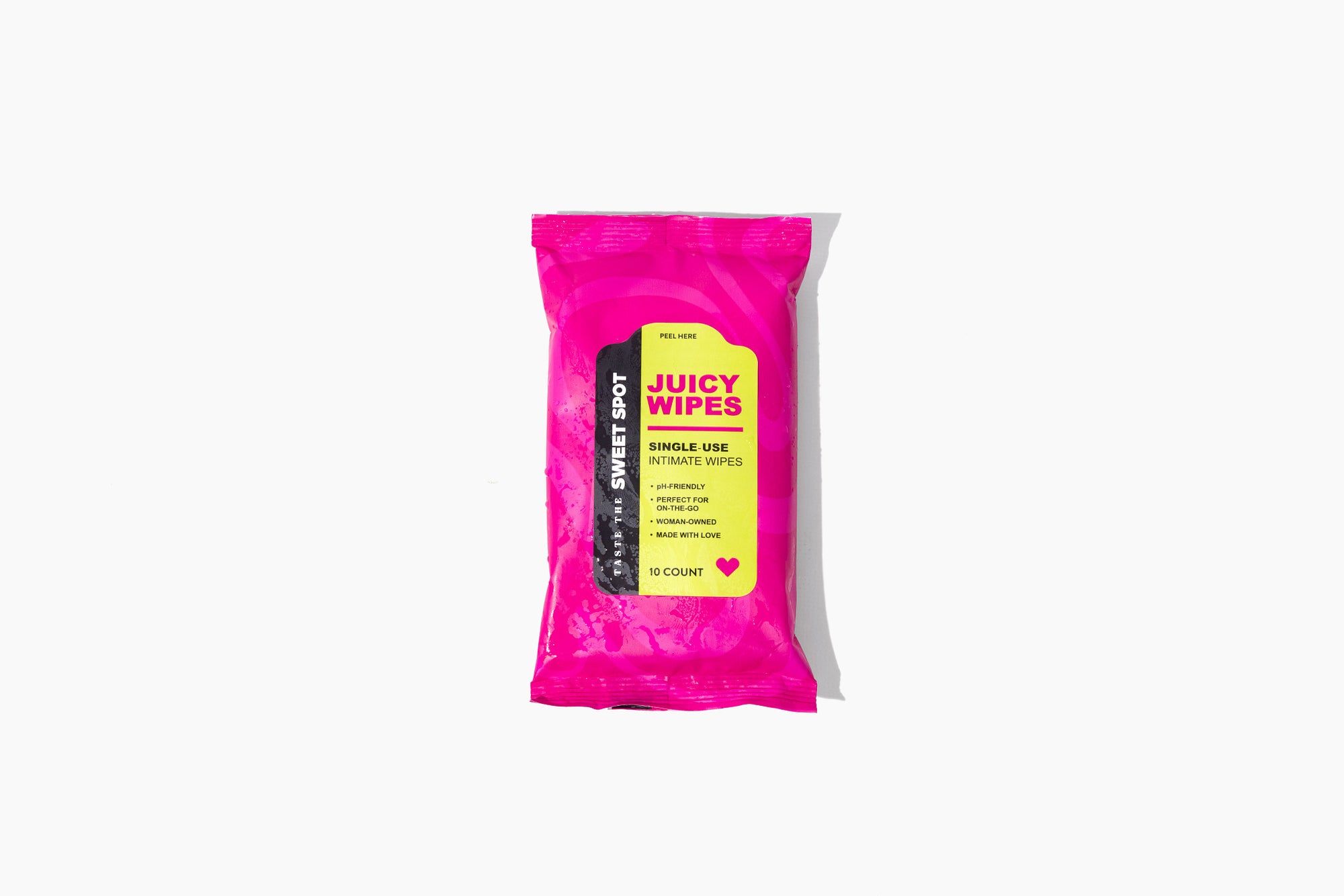
Hygiene, wipes and daily care

Timelines, supplements and real results

Products

Other guides on this store

Latest from #juicyvibes

  • icon
  • icon
  • icon