

Men's Intimate Wellness: Taste, Freshness and Confidence
Short answer: water, stopping smoking, and cutting the five foods that reliably cause problems. Those three do more than everything else combined, and none of them costs anything.
Men get almost no useful information on this. The advice online is either a joke or a supplement ad. This page is the plain version: what semen is made of, what changes it, what basic hygiene actually requires, and the small number of signs that mean you should see a doctor rather than change your diet.
- What semen is
- Roughly 65–70% seminal-vesicle fluid (amino acids, proteins, vitamin C, citrate, fructose) and 25–30% prostatic fluid (zinc, citric acid, enzymes). Sperm cells are 1–5% of the volume and contribute almost nothing to taste or smell.
- Why it is alkaline
- pH 7.2–8.0, by design — it has to survive an acidic vagina at 3.8–4.5. Alkaline reads as bitter on the tongue, which is why a faint bitterness never fully goes away.
- Smegma
- A normal build-up of skin cells and oils under the foreskin. Managed by washing gently with warm water daily — not with soap, which irritates. Neglected, it is the most common cause of male genital odour.
- Jock itch (tinea cruris)
- A fungal infection of the groin — red, itchy, ring-edged rash. Common, treatable with antifungals, and not a hygiene failure.
- Male body odour
- Driven by the same inputs as taste: sulphur-rich foods, alcohol, smoking, dehydration, and bacteria acting on sweat.
- Supplement
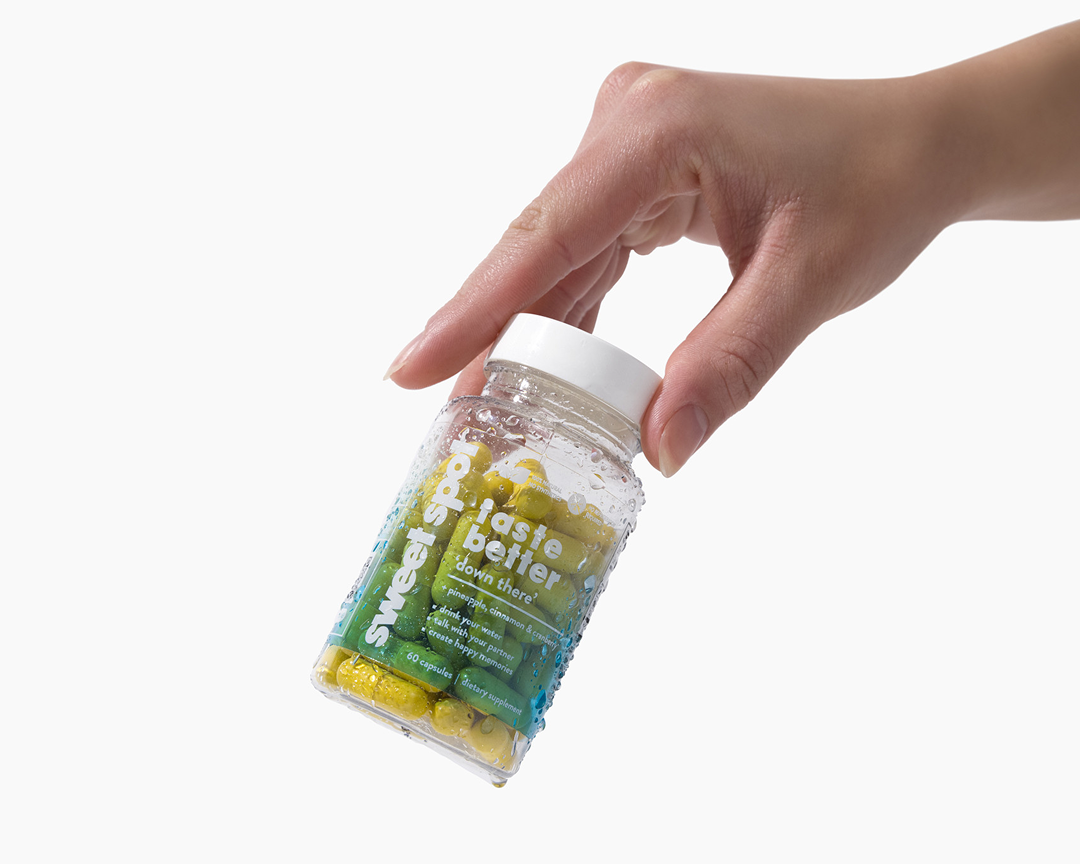
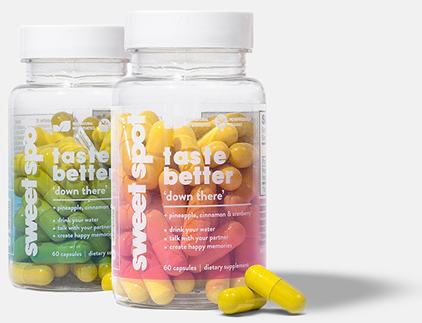
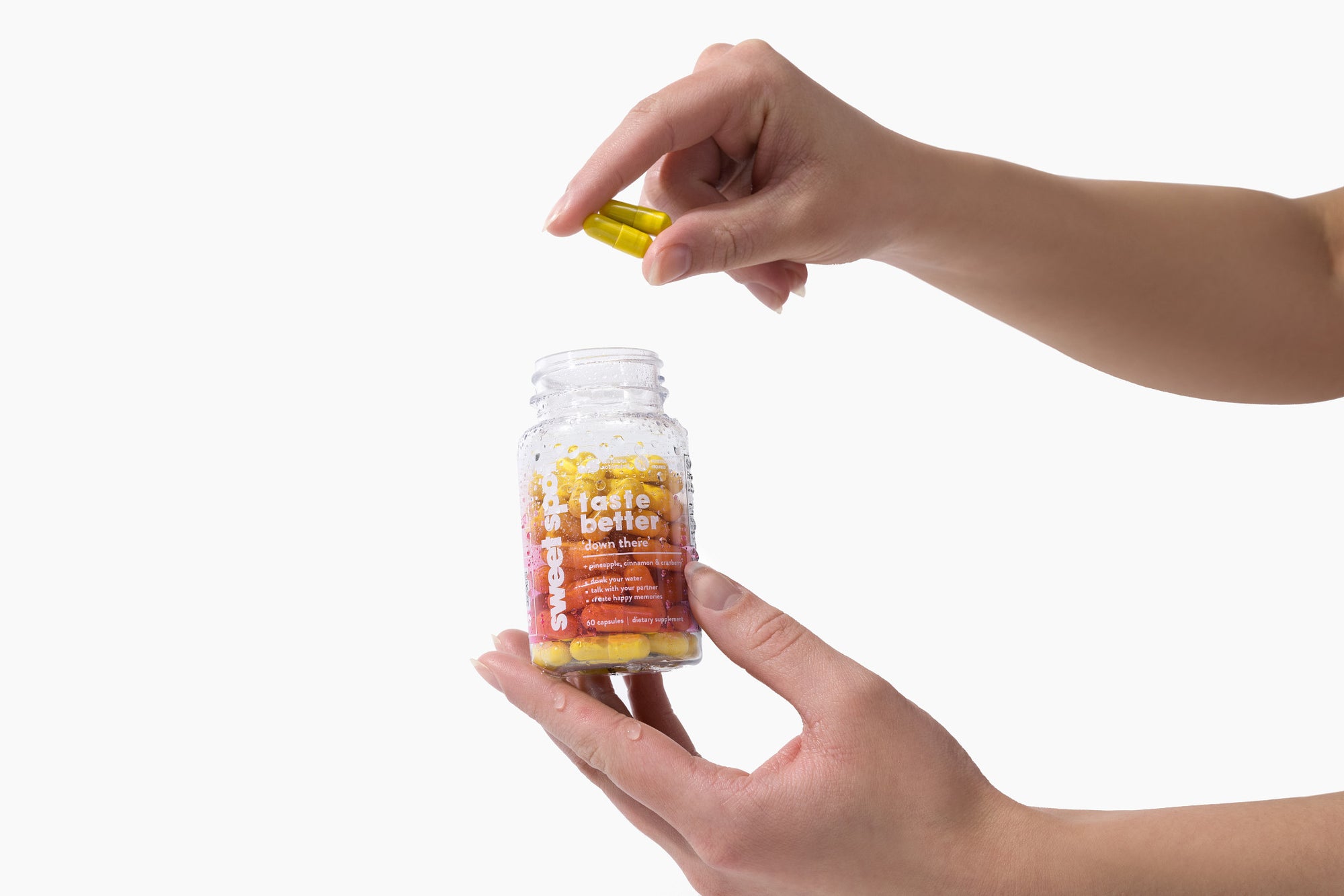
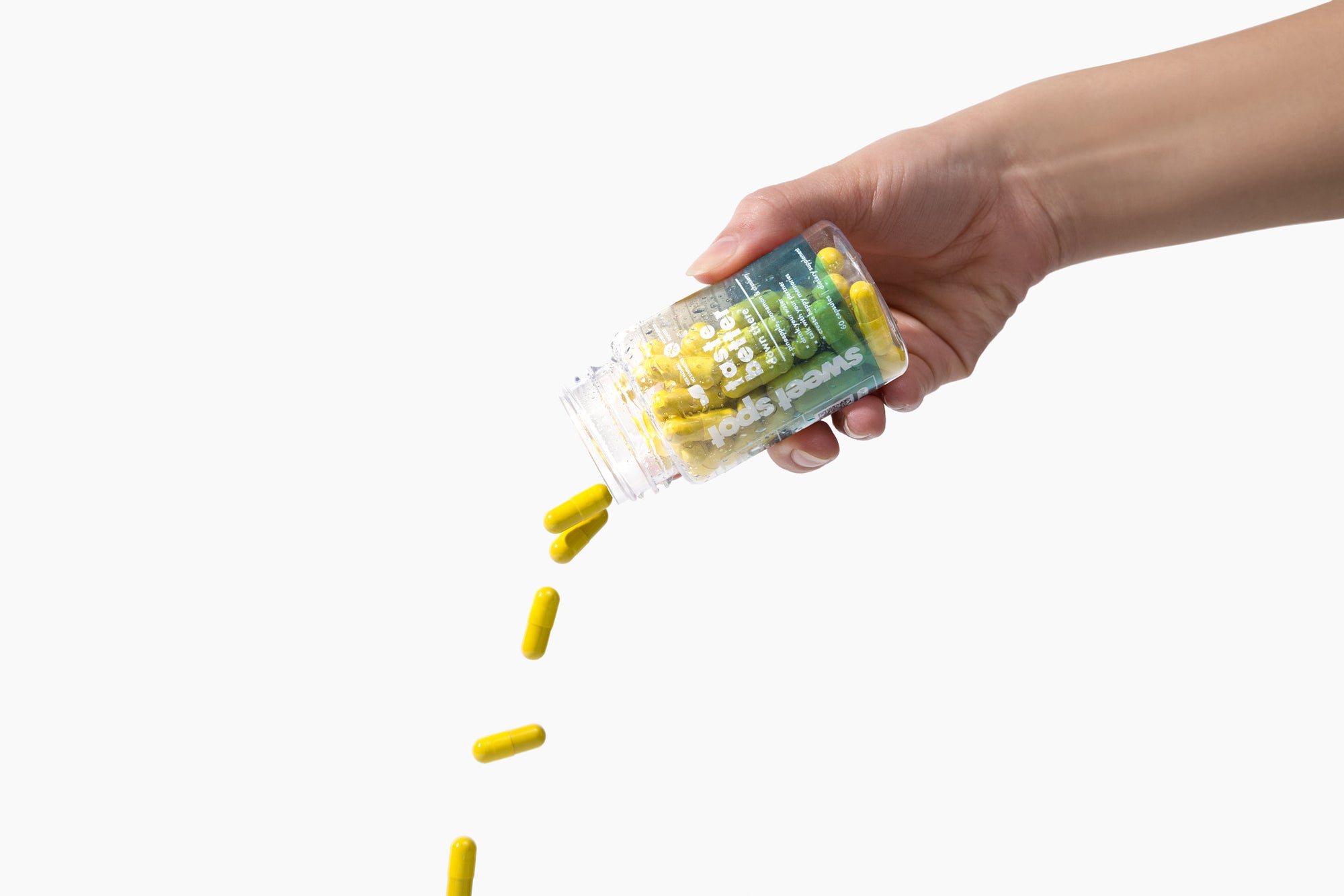
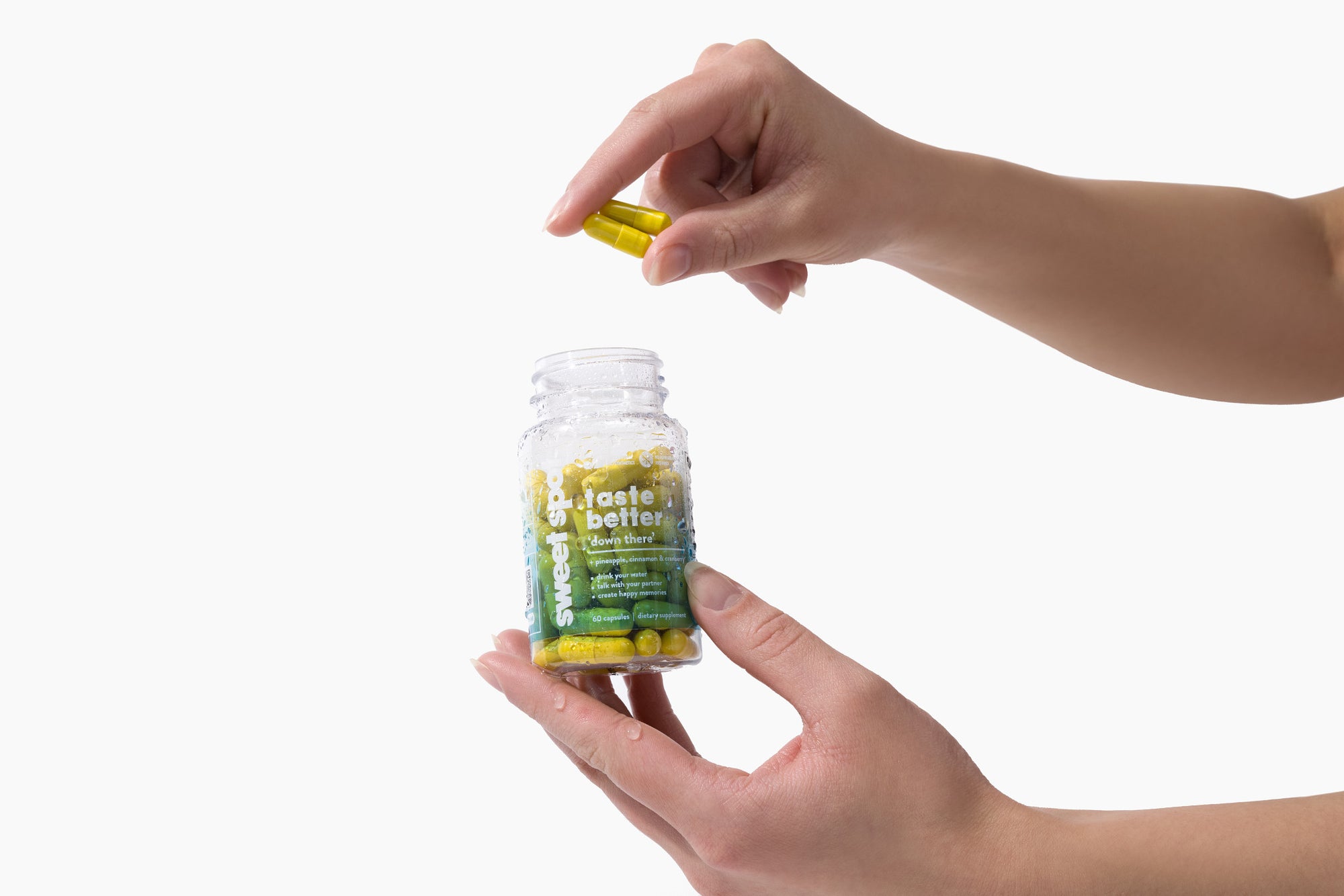
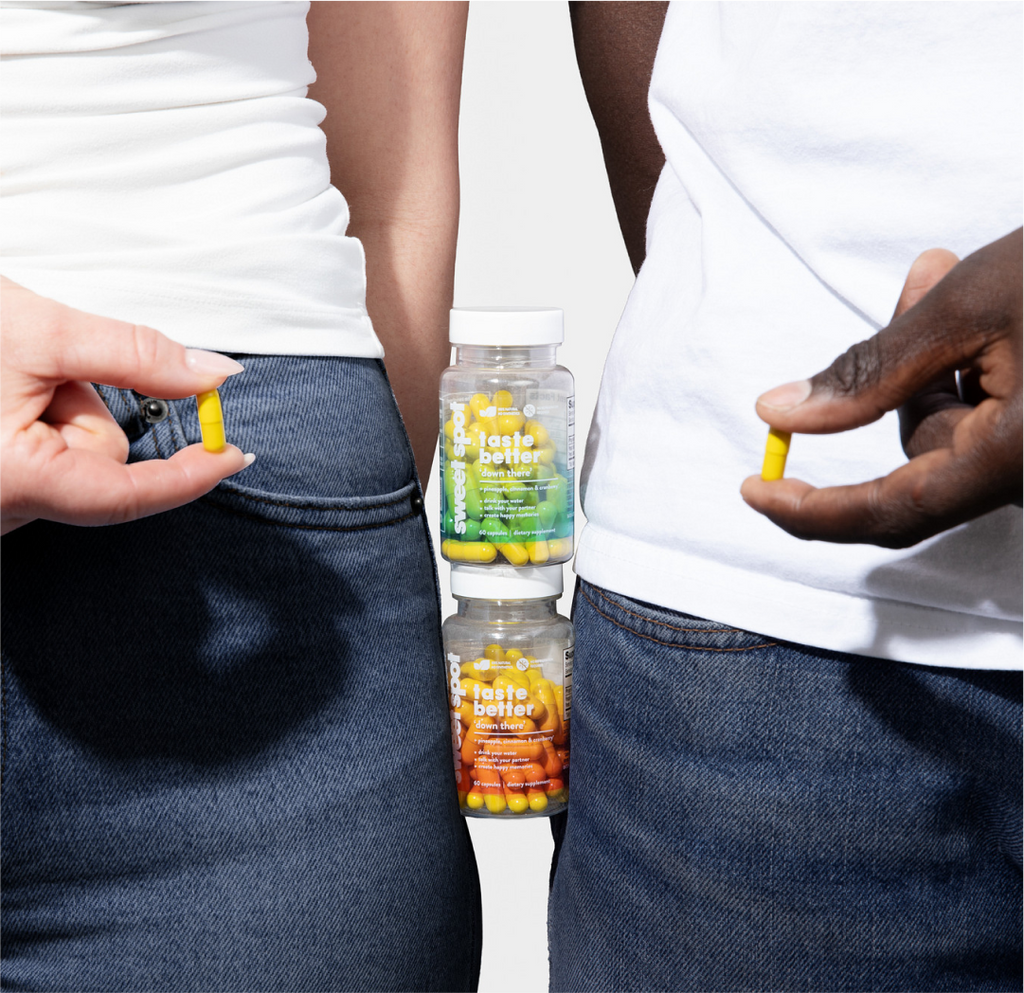
- A concentrated dietary input in capsule form. Ours is a pineapple-extract supplement aimed at taste and freshness — not a treatment for anything.