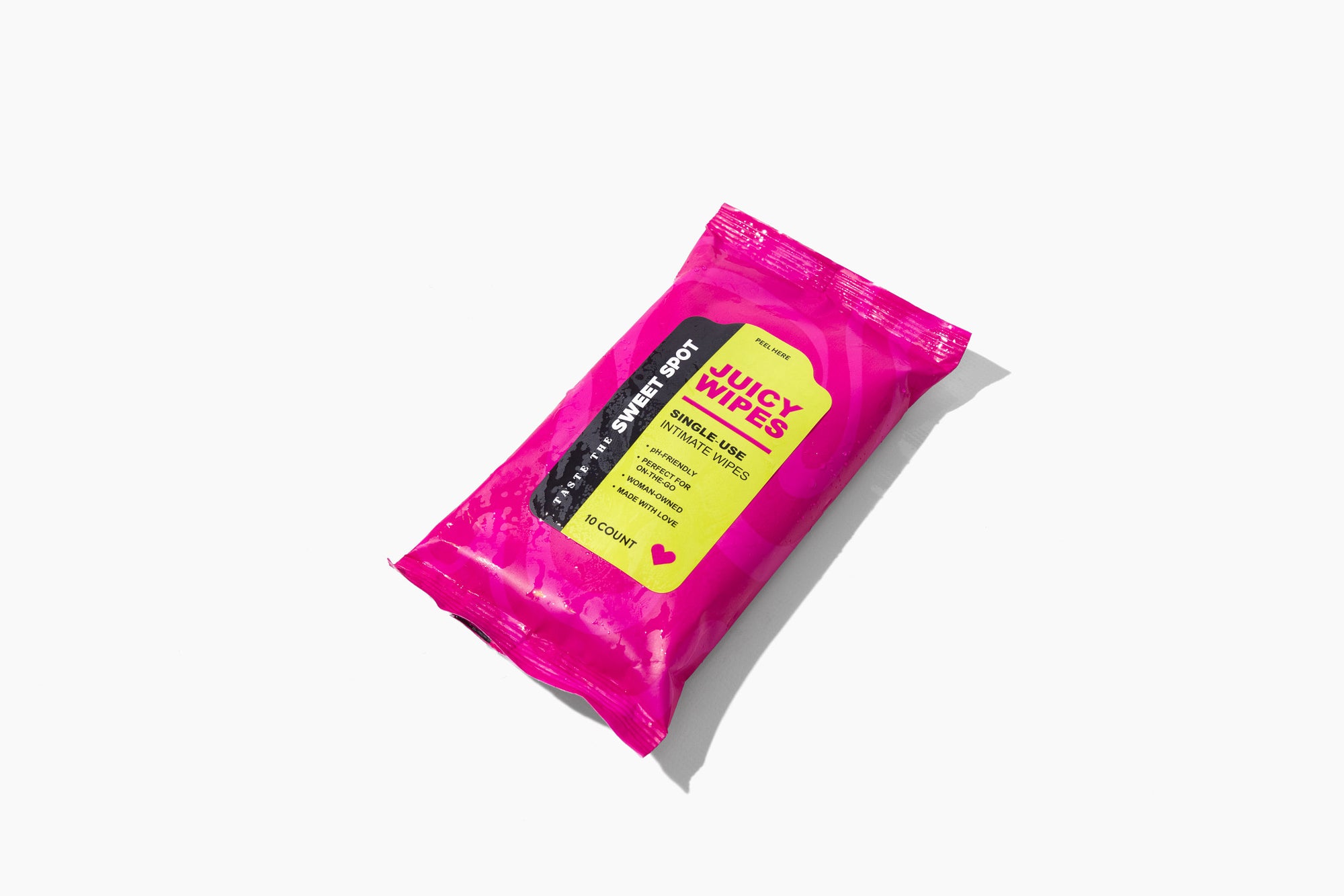


Vaginal Odour: Causes, Fixes, and When to See a Doctor
Short answer: some scent is normal and healthy. A strong fishy odour is not, and it is almost always a pH problem rather than a hygiene problem — which is why cleaning harder makes it worse.
This page separates the normal from the clinical, explains what raises pH in the first place, and is honest about which products help and which are selling you the cause as the cure.
- Normal scent
- Mildly musky, slightly tangy, changing across the cycle. Every healthy body has one. The complete absence of scent is not a health goal and is not achievable without harming the environment that keeps you well.
- Fishy odour
- The classic sign of bacterial vaginosis — anaerobic bacteria overgrowing once pH rises above 4.5. Often strongest after unprotected sex, because semen is alkaline. This needs a clinician.
- Yeasty or bready smell with itching
- Usually a yeast infection. Thick white discharge, itching and burning, often little odour. Antifungals, not antibiotics.
- Metallic smell
- Usually blood — around a period, or after sex if there is minor irritation. Normal.
- Very strong ammonia smell
- Often urine, sometimes dehydration concentrating it. Drink more water.
- Rotten or foul smell with fever or pain
- Urgent. This can indicate a retained tampon or a more serious infection. Same-day medical attention.