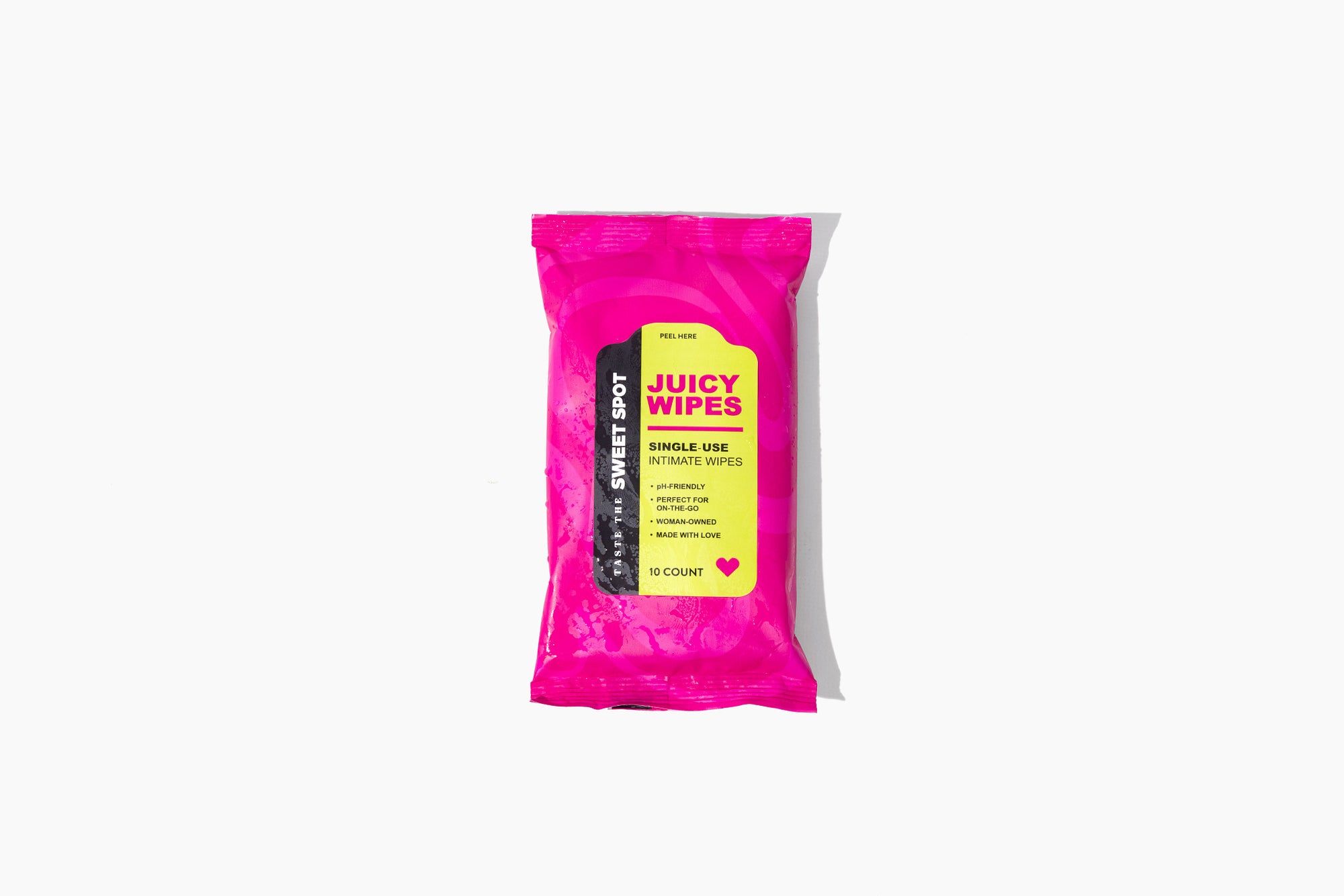


pH-Balanced Intimate Wipes: What to Look For and What to Avoid
Short answer: a wipe is for the outside, between showers. Used externally and fragrance-free, it is genuinely useful. Used internally or heavily perfumed, it causes the problem it claims to solve.
"pH-balanced" is worth understanding rather than trusting. Healthy vulval skin sits around pH 4.7 and the vagina lower still at 3.8–4.5, while ordinary soap is alkaline at pH 9–10. A product formulated near your own acidity works with that environment; one that is not, strips it.
- pH-balanced
- Formulated to sit near the natural acidity of intimate skin rather than the alkalinity of ordinary soap. It is a meaningful claim when a number is given, and vaguer when it is not.
- Vulva vs vagina
- The vulva is the external skin; the vagina is internal and self-cleaning. Wipes are for the vulva. Nothing should be used to clean inside — this single distinction prevents most of the harm in this category.
- Fragrance / parfum
- The most common irritant in intimate products, and often listed as a single word hiding dozens of compounds. Fragrance-free is the safer default for this skin.
- Flushable
- Means it breaks down in the sewer system. Worth checking rather than assuming — many wipes labelled flushable are not, and plumbers are unanimous about it.
- Aloe vera
- A common soothing humectant with a long record of tolerability on sensitive skin.
- What a wipe is not
- Not a treatment, not a substitute for washing, and not a way to fix odour that has a medical cause.