Get 20% off your order with code FRESH — or subscribe and save for monthly deliveries!

Vaginal health supplements — an honest buyer's guide

Vaginal health supplements — an honest buyer's guide

Vaginal Health Supplements and Vitamins: An Honest Buyer's Guide

Short answer: a small number of supplements have reasonable evidence for specific problems, most have very little for vaginal health specifically, and none of them substitute for treating an actual infection.

The category is unregulated, which means the label language — "balance", "feminine support", "flora friendly" — carries no defined meaning. This page sorts what has data from what has copywriting.

We sell supplements, so read this with that in mind. We have tried to write the page we would want someone to read before buying anything, including ours.

Supplement
A concentrated dietary input in capsule, tablet or powder form. Regulated as a food, not a medicine — which is why claims are vague by necessity.
Vitamin D
Genuine evidence for immune and mucosal function. Deficiency is common and worth testing for. Not a vaginal-specific treatment.
Vitamin C
Studied as a vaginal tablet with some effect on pH and BV recurrence. Oral vitamin C does not do the same thing — the route matters.
Boric acid
A vaginal suppository with real second-line clinical use for recurrent BV and resistant yeast. Toxic if swallowed. Never oral, never a daily wellness product.
Cranberry (PACs)
Proanthocyanidins have modest evidence for reducing recurrent urinary tract infections. That is a different organ from the vagina — the two get conflated constantly.
Sea buckthorn oil
Some evidence for vaginal dryness in post-menopausal women. Narrow use, real data.
Pineapple extract
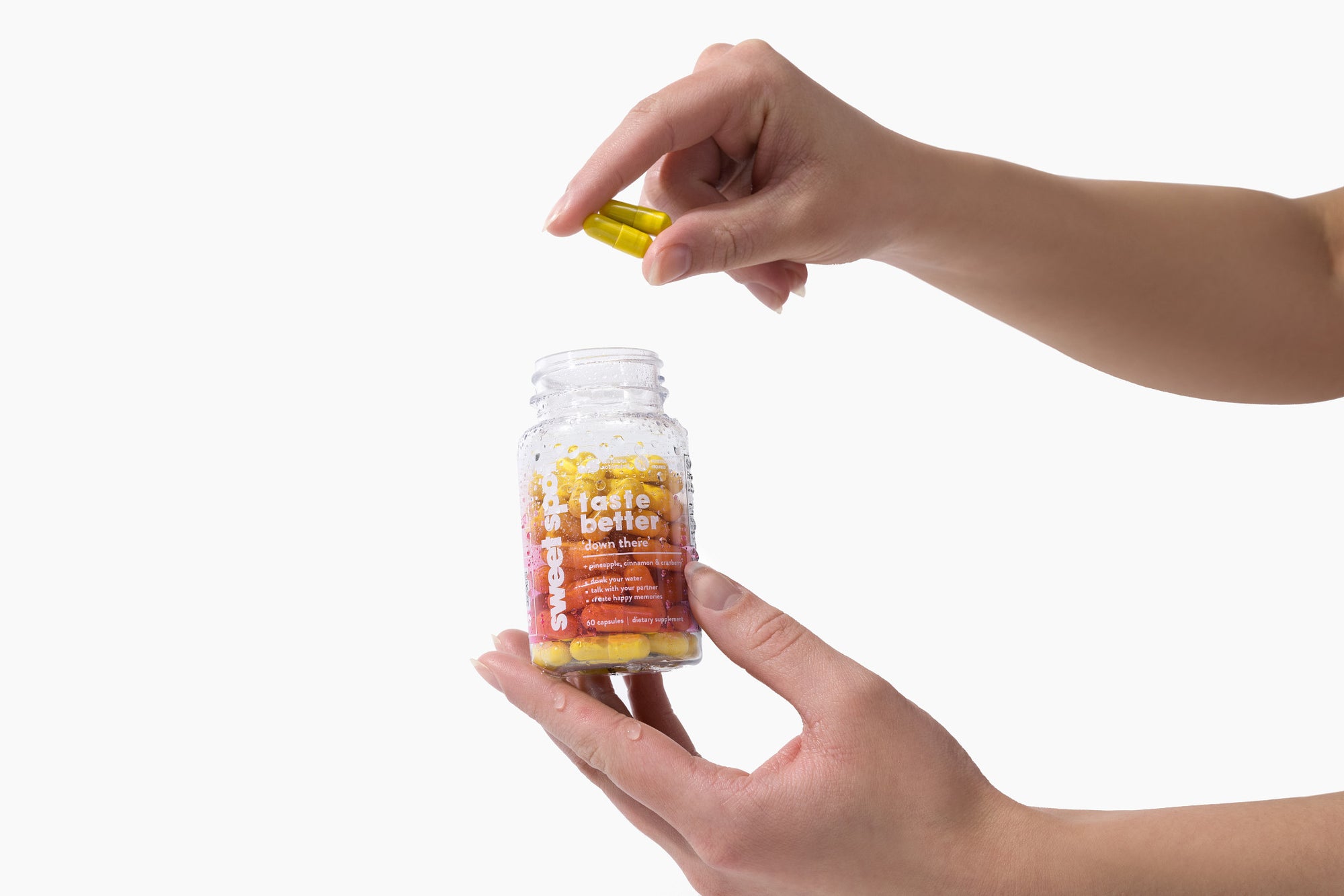
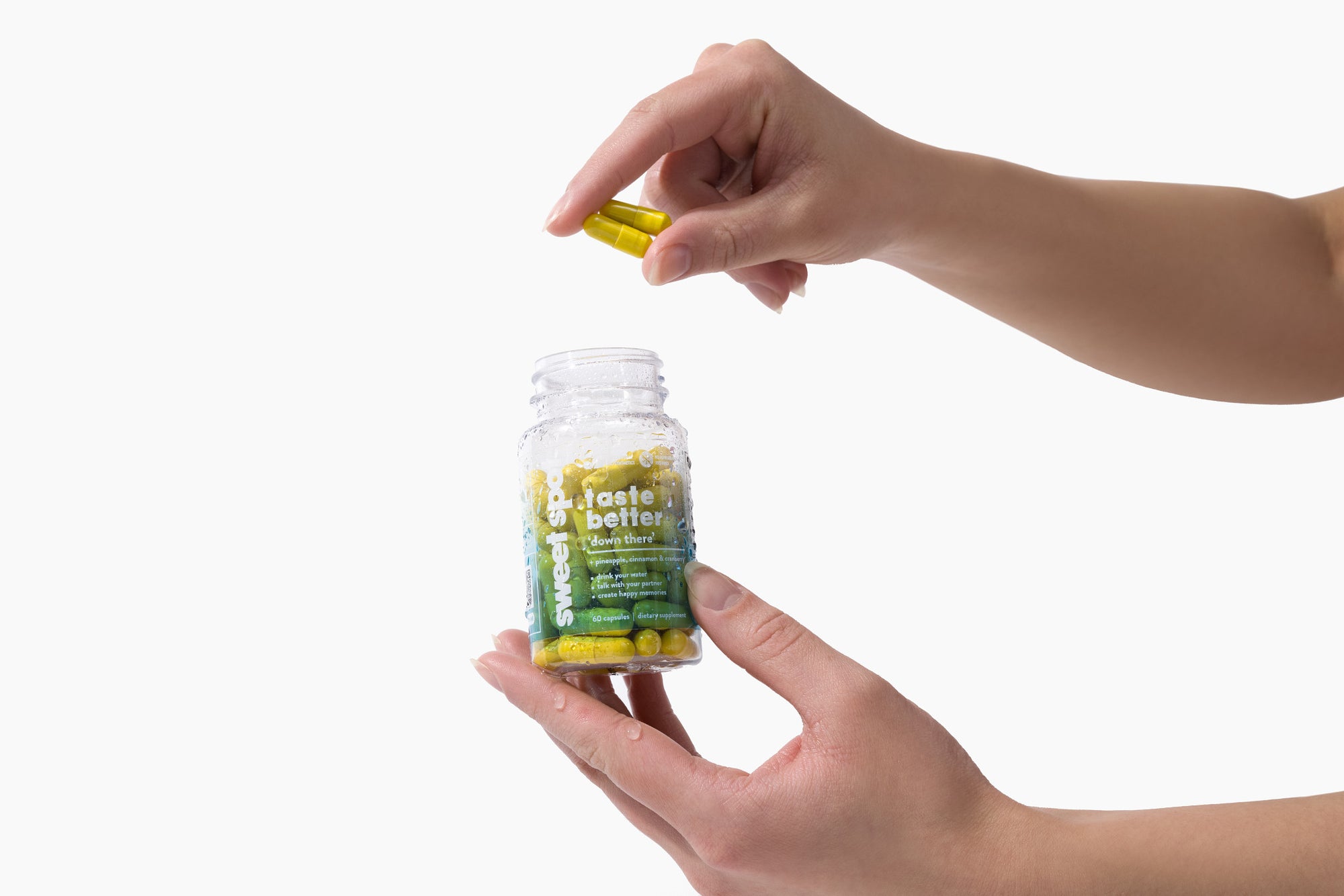
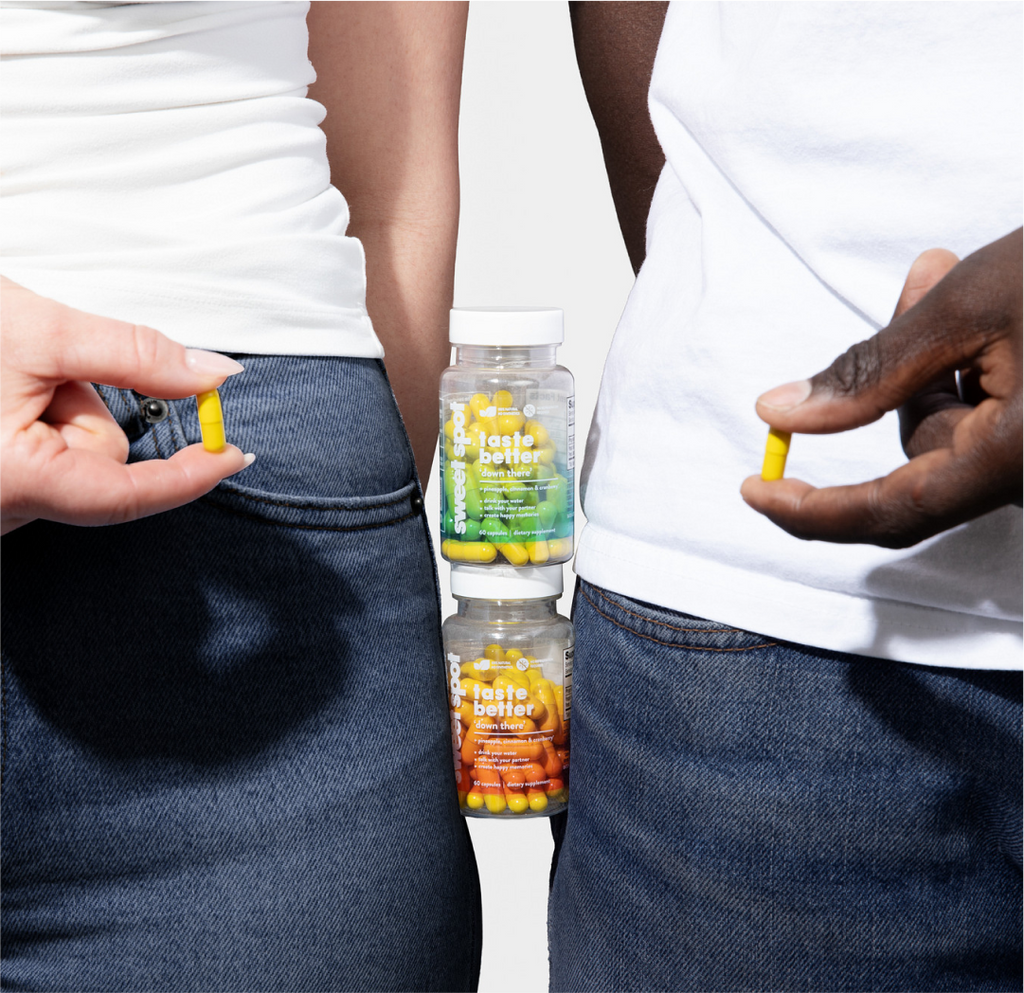
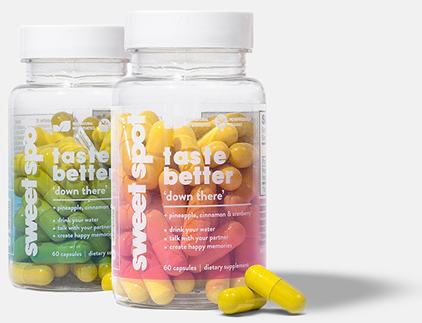
What our products use. Sugars, fruit acids and bromelain. Aimed at taste and freshness, not at treating anything.
Four questions, straight answers

  • What has evidence?

    Vitamin D for immune function, vaginal vitamin C for pH, boric acid for recurrent BV, cranberry PACs for UTIs — each narrow and specific.
  • What does not?

    Most 'vaginal vitamins' blends. The word 'balance' is unregulated and means nothing defined.
  • Oral or vaginal?

    The route changes the answer entirely. Vaginal vitamin C affects pH; oral vitamin C does not.
  • When is it a doctor?

    Fishy odour, itching, unusual discharge, pelvic pain, or recurrence more than twice in six months.
From daily blends to care essentials — your chemistry, covered.

The Sweet Spot Edit

Questions people actually ask

  • A few do, for narrow purposes: vitamin D for immune function, vaginal vitamin C for pH, boric acid for recurrent BV, cranberry PACs for UTIs. Most general “vaginal vitamin” blends have little specific evidence.

  • Vitamin D has the broadest support, mainly through immune and mucosal function. Vitamin C affects pH when used vaginally, not orally. Iron and B12 matter if you are deficient. Test rather than guess.

  • Not as a first-line treatment — antifungals are. Boric acid suppositories have second-line clinical use for resistant cases, and some probiotic strains have been studied for reducing recurrence after treatment.

  • An unregulated marketing category covering probiotics, prebiotics and general vitamins. No oral capsule lowers vaginal pH directly — acidity comes from resident lactobacilli. Full page on this here.

  • As a vaginal suppository it has genuine clinical use, usually second-line and under guidance. It is toxic if swallowed and must never be taken orally.

  • Cranberry PACs have modest evidence for recurrent urinary tract infections — the bladder and urethra, not the vagina. The two get conflated in marketing constantly.

  • A pineapple-extract supplement gives a consistent daily dose of the compounds people otherwise try to get from fruit. Expect a modest shift over three to seven days, not a transformation.

  • No. They are pineapple-extract supplements with no named strains and no CFU count. Calling them probiotics would be a claim the label cannot support.

  • Three to seven days for taste and freshness. Four to twelve weeks for anything microbiome-related. Same-week promises are marketing.

  • Strong fishy odour, itching or burning, grey or green discharge, pelvic pain, or more than two episodes in six months.

Every guide on supplements and intimate wellness

The full library on supplements, vitamins and what they actually do.

The core guides

More on this topic (2)

The other pillar guides

Products

FROM OUR AMAZING CUSTOMERS

Loved by Those Who Know

star_rating

“Happy I found this product and to change my diet at all and even happier I don't need to worry about taste down there!”

star_rating

“Really gives a great flavor when you're having some fun.”

star_rating

Works fast. And obviously WORKS.

star_rating

“This is hands down the best supplement I’ve tried — I’m obsessed and already repurchased.”

pill-image
star_rating

“My guy won’t stop going down on me. He says I taste like flowers and fruit. I’m not correcting him.”

AUTHENTIC REVIEWS YOU CAN TRUST

EXPLORE OUR PRODUCTS

More from #juicyvibes