

Probiotics for Women: The Complete, Honest Guide
Short answer: the evidence is real but much narrower than the shelf suggests. Two strains carry most of it, oral dosing reaches the vagina poorly, and the clearest benefit is reducing recurrence alongside antibiotic treatment — not curing an active infection.
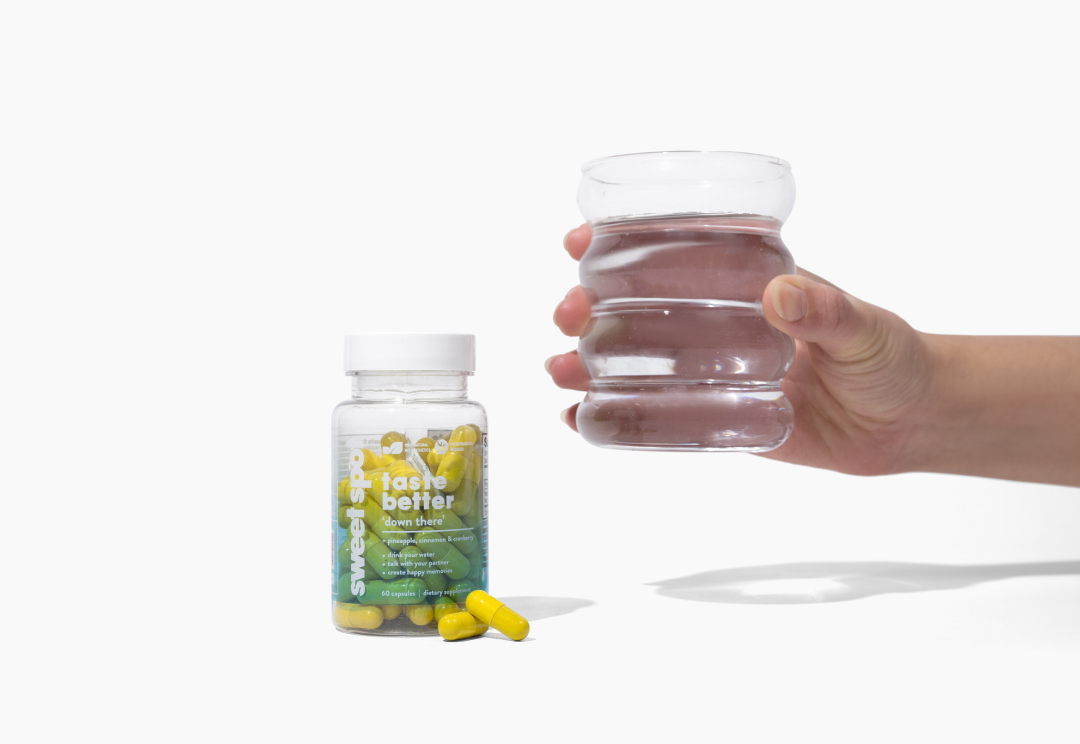
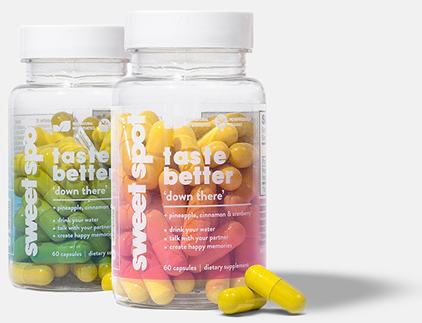
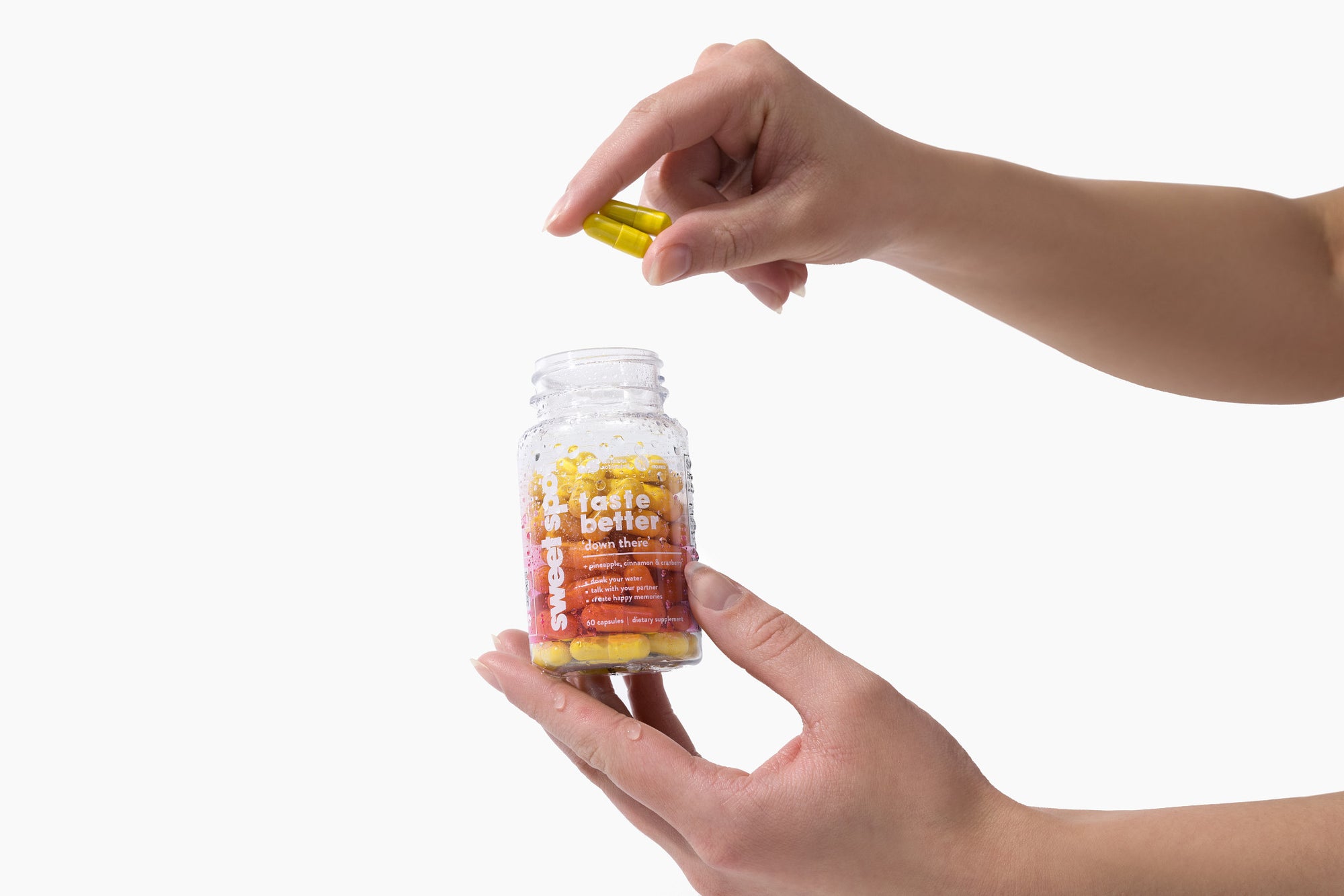
This page is written in the third person about probiotics as a product category. Taste The Sweet Spot does not sell probiotics. Our products are pineapple-extract intimate wellness supplements: no named strains, no CFU count, not a treatment for anything. If a live-strain probiotic is what you need, this page will help you buy a good one from someone else.
- Probiotic
- Live micro-organisms of named strains at a stated CFU count. A label with neither is not meaningfully a probiotic, whatever the front of the box says.
- CFU
- Colony-forming units — how many live organisms are in a dose. Vaginal trials typically use 1–5 × 10⁹ per strain, twice daily. It must be guaranteed at expiry, not at manufacture, because live bacteria die on the shelf.
- Lactobacillus
- The genus that dominates a healthy vaginal microbiome — chiefly L. crispatus, L. jensenii, L. gasseri and L. iners. L. crispatus dominance is generally the most stable state.
- GR-1 and RC-14
- L. rhamnosus GR-1 and L. reuteri RC-14 — the two strains with the most vaginal-health trial data behind them.
- Prebiotic
- A fibre or oligosaccharide that feeds the bacteria you already have, rather than adding new ones. Cheaper, plausible, thinner evidence for vaginal outcomes specifically.
- Synbiotic
- A product combining both. Marketing term more often than a meaningful distinction.
- Supplement
- A concentrated dietary input in capsule form. What we sell — pineapple extract, no live strains.