

How to Choose a Taste Supplement: What to Look For
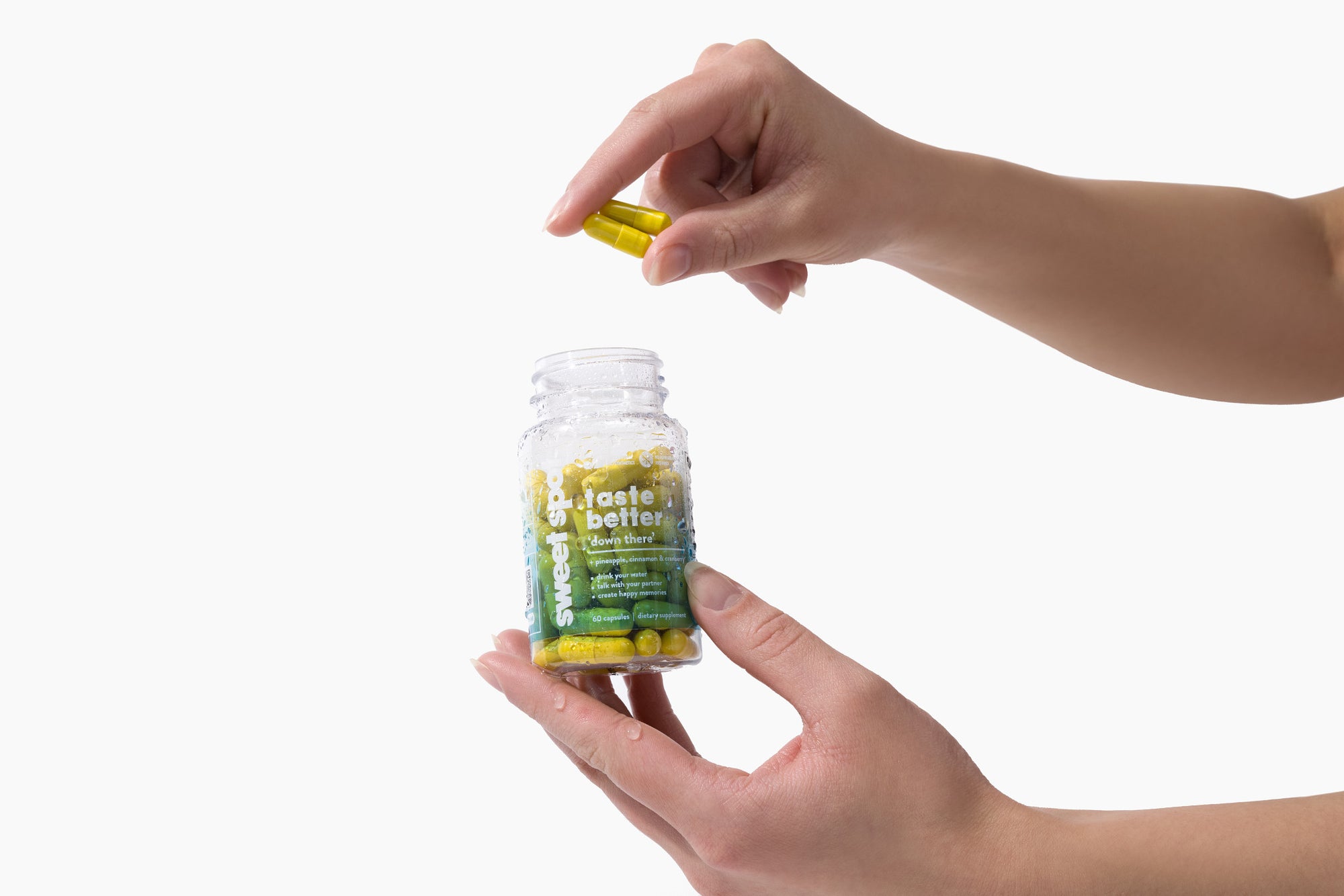
Short answer: there are no clinical trials on "taste supplements" as a product category. Anyone claiming a percentage improvement is inventing it. What you can do is judge a label properly, and know the adjacent evidence that is real.
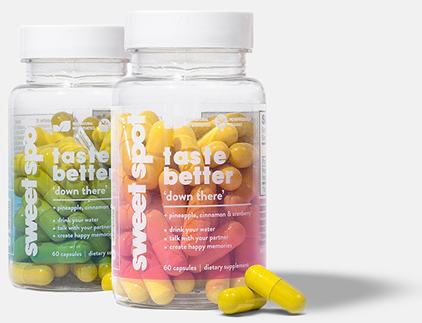
We sell one of these products. That is exactly why this page states the evidence position plainly — if you buy ours expecting something it cannot do, that ends badly for both of us.
- The honest evidence position
- No randomised trials exist testing whether taste supplements change how a body fluid tastes. The mechanism — fruit sugars, acids and bromelain — is plausible, and the supporting evidence is anecdotal.
- Zinc — real evidence, adjacent
- A systematic review and meta-analysis of randomised controlled trials found zinc supplementation effective for taste disorders, with improvement more frequent than in controls. Note carefully: that is about the taster's ability to perceive taste, not about the taste of a fluid. Different claim.
- Vitamin B12 — same category
- Deficiency impairs taste function, and correcting it improves taste perception. Again: the perceiver, not the perceived.
- Bromelain
- Protein-digesting enzymes from pineapple, concentrated in the stem and core. Genuinely studied — for digestion, inflammation and post-surgical swelling. Not for taste.
- Proprietary blend
- A label that names ingredients without amounts. If a manufacturer will not tell you how much is in it, assume the amount is not impressive.
- Third-party testing
- USP, NSF or Informed Choice marks mean an independent lab verified the contents match the label. Their absence is not damning; their presence is real.
The checklist
- Amounts, not just ingredients. Milligrams, or CFU for live strains.
- Does the route match the claim? Oral and vaginal delivery are not interchangeable — vaginal vitamin C affects pH, oral does not.
- Is the timeline honest? Anything promising same-day results is marketing. Three to seven days is the real answer.
- Does it claim to treat something? If a supplement claims to cure BV or thrush, that is a red flag about the whole company.
- Is "probiotic" used accurately? No named strains and no CFU means it is not one, whatever the front of the box says.
- Third-party tested? A genuine plus.