Get 20% off your order with code FRESH — or subscribe and save for monthly deliveries!

How to stay fresh — the routine that actually works

How to stay fresh — the routine that actually works

How to Stay Fresh Down There: The Daily Routine That Works

Short answer: warm water on the outside, cotton underwear, get out of damp clothes, and leave the inside completely alone. That is the whole routine, and the most common mistake is doing more than it.

This page is about daily freshness rather than taste — they overlap but they are not the same question. Freshness is mostly hygiene, fabric and moisture. Taste is mostly diet and hydration. If taste is what you are after, the food list is here.

The uncomfortable part: several of the best-known "feminine freshness" products actively cause the problem they promise to fix, and the top-ranking advice on this topic frequently gets it backwards.

The self-cleaning principle
The vagina maintains itself. Resident Lactobacillus bacteria produce lactic acid and hold pH at 3.8–4.5, which suppresses the organisms that cause odour. Cleaning inside removes the mechanism keeping you fresh.
Vulva versus vagina
The vulva is external skin and can be washed. The vagina is internal and must not be. Almost every hygiene error in this category comes from blurring the two.
Why soap is the wrong tool
Ordinary soap is alkaline at around pH 9–10. Intimate skin sits near 4.7. Soap strips the acid mantle and irritates.
Moisture is the real enemy
Warmth plus moisture is what bacteria and Candida need. Damp gym kit and synthetic fabric do more damage than skipping a wash.
Sweat and hydration
Sweat is mostly water. Under-hydration concentrates it and the odour intensifies. The numbers are here.
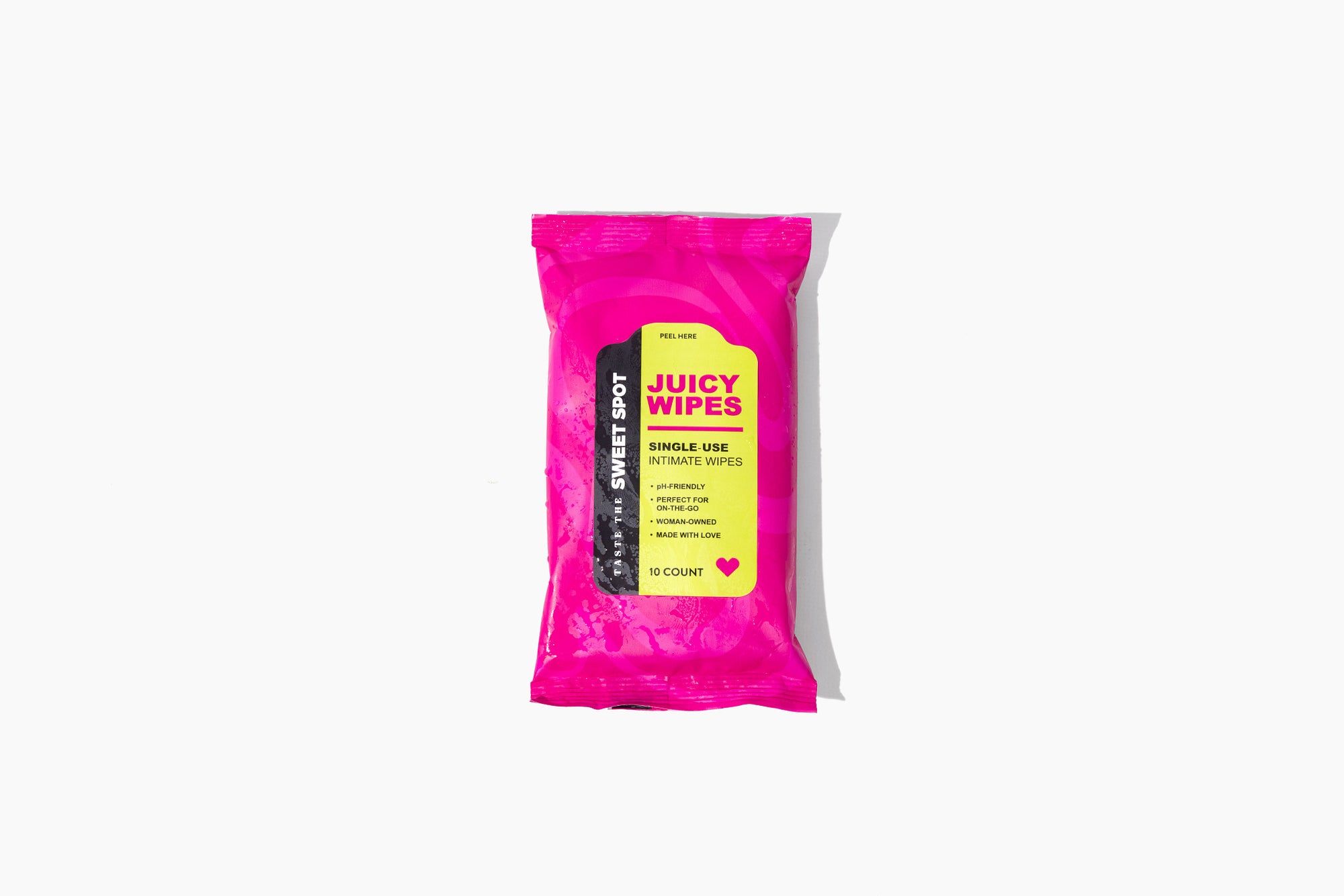
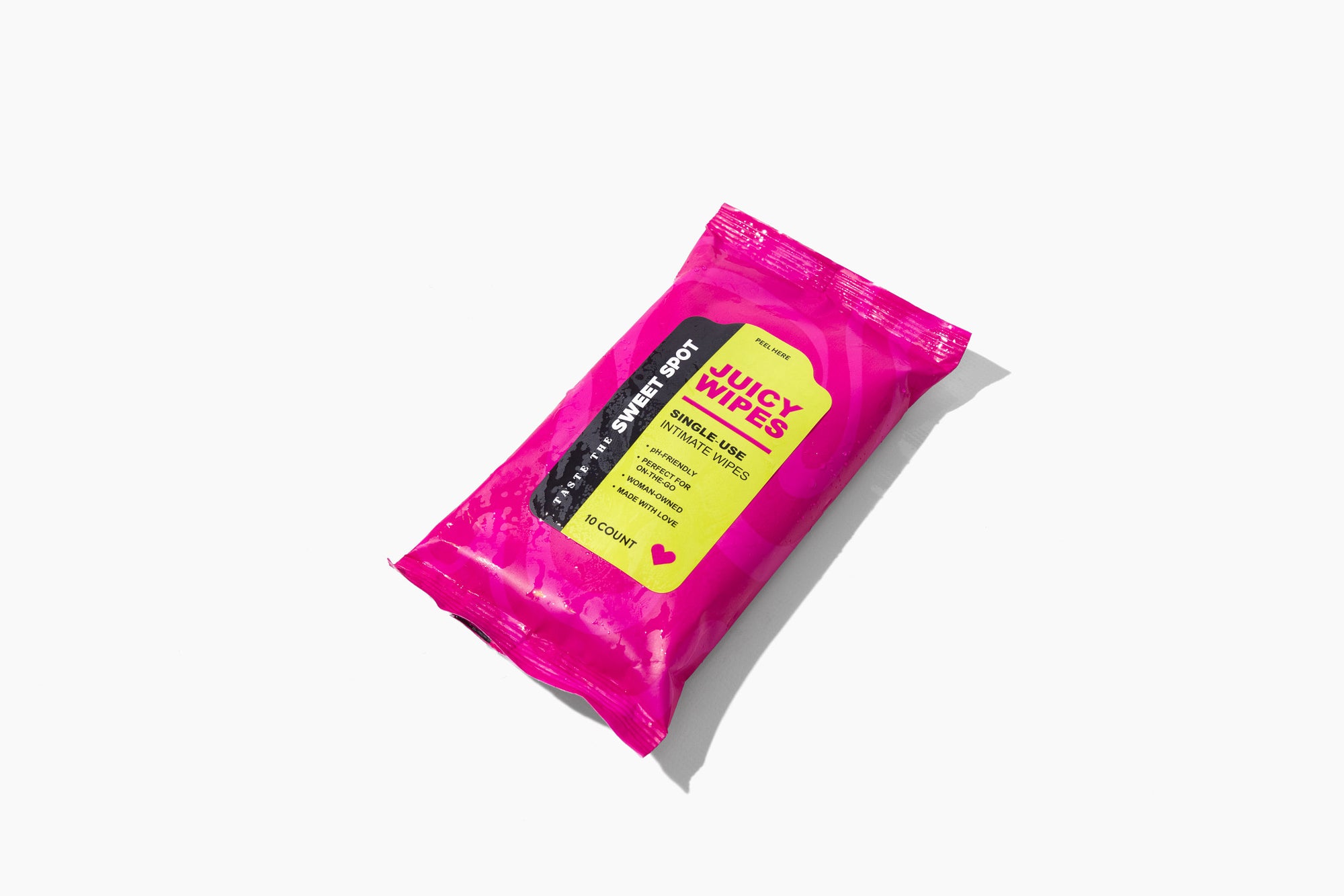
A pH-balanced wipe
For freshening the outside between showers — gym, travel, a long day. Not a replacement for washing, and never for internal use.

The advice that makes it worse

Currently ranking on this topic, and wrong:

  • "Neutralise the acidity." One widely-shared article suggests cinnamon to counter the vagina's acidic taste. That acidity is the defence. Raising pH above 4.5 is the mechanism of bacterial vaginosis.
  • "Use an unscented soap around the vagina." Unscented is better than scented, but soap is still alkaline. Warm water is the correct answer.
  • "Douche to feel cleaner." The single most damaging habit in this category.

If a product's promise is that it will make you less like yourself internally, it is working against the system that keeps you well.
Four questions, straight answers

  • What is the routine?

    Warm water outside, cotton underwear, out of damp clothes, nothing inside. That is genuinely all of it.
  • Why not soap?

    Soap is alkaline at pH 9–10. Intimate skin sits near 4.7. It strips the acid mantle and irritates.
  • Do wipes help?

    Externally, yes — gym, travel, between showers. Never internally, and never instead of washing.
  • When is it medical?

    Strong fishy odour, itching, or unusual discharge. That is a clinician, not a new product.
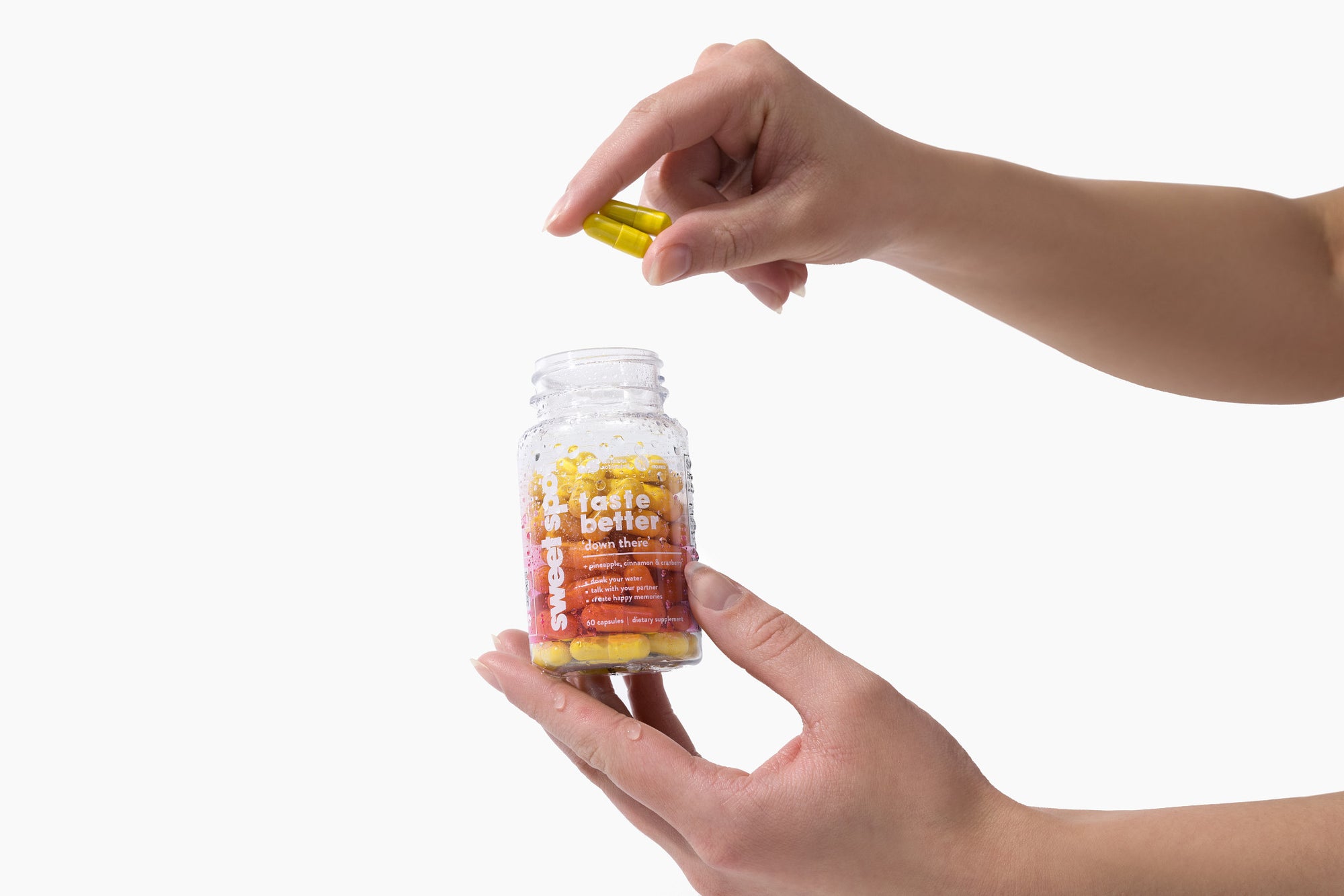
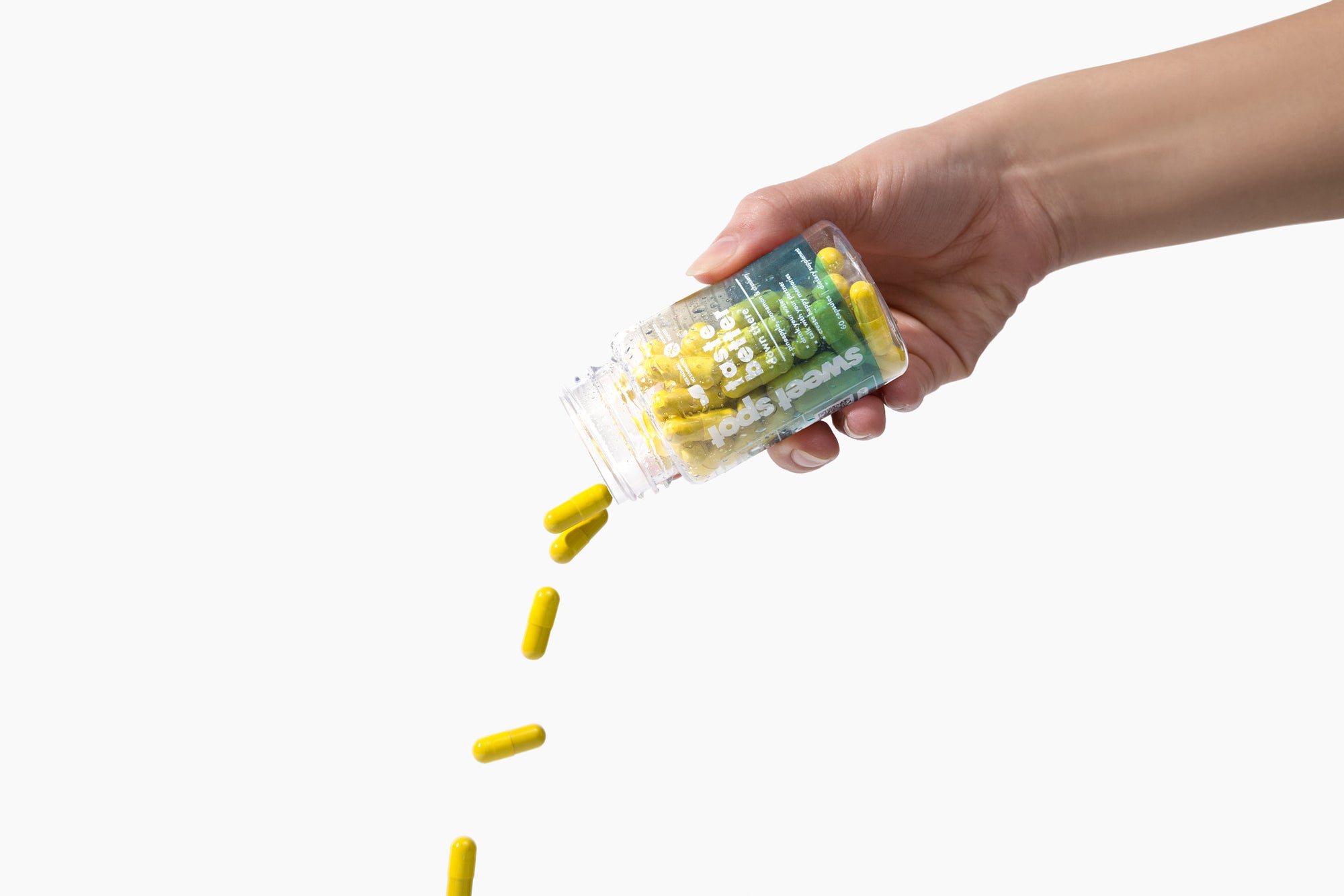
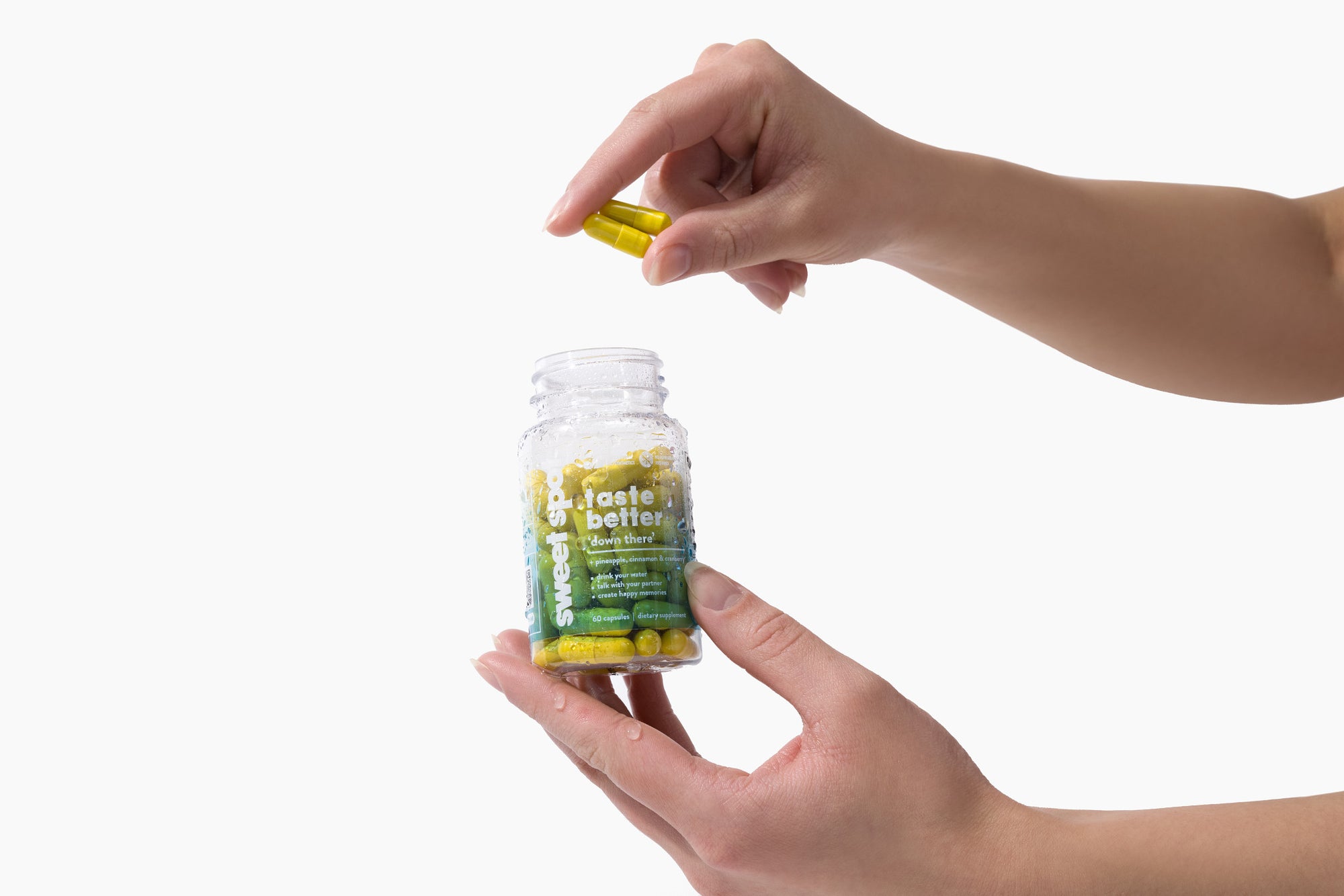
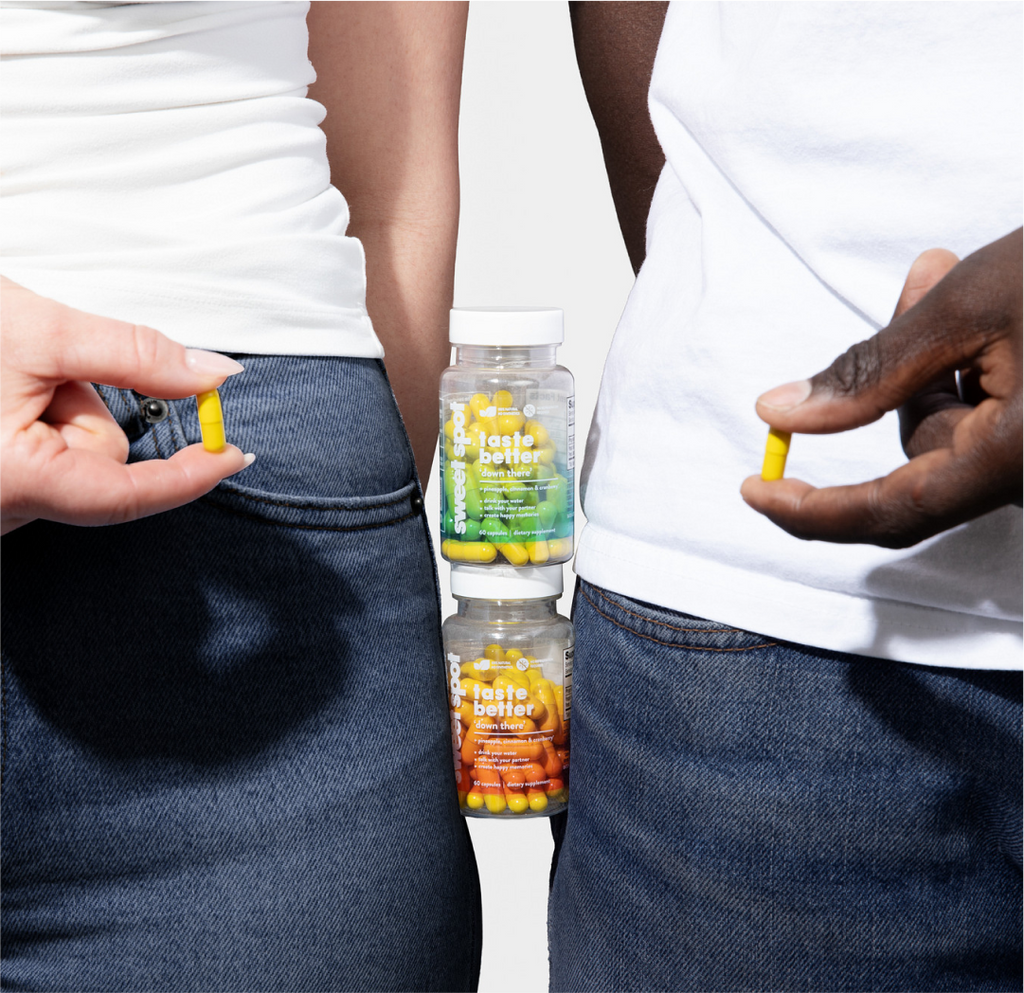
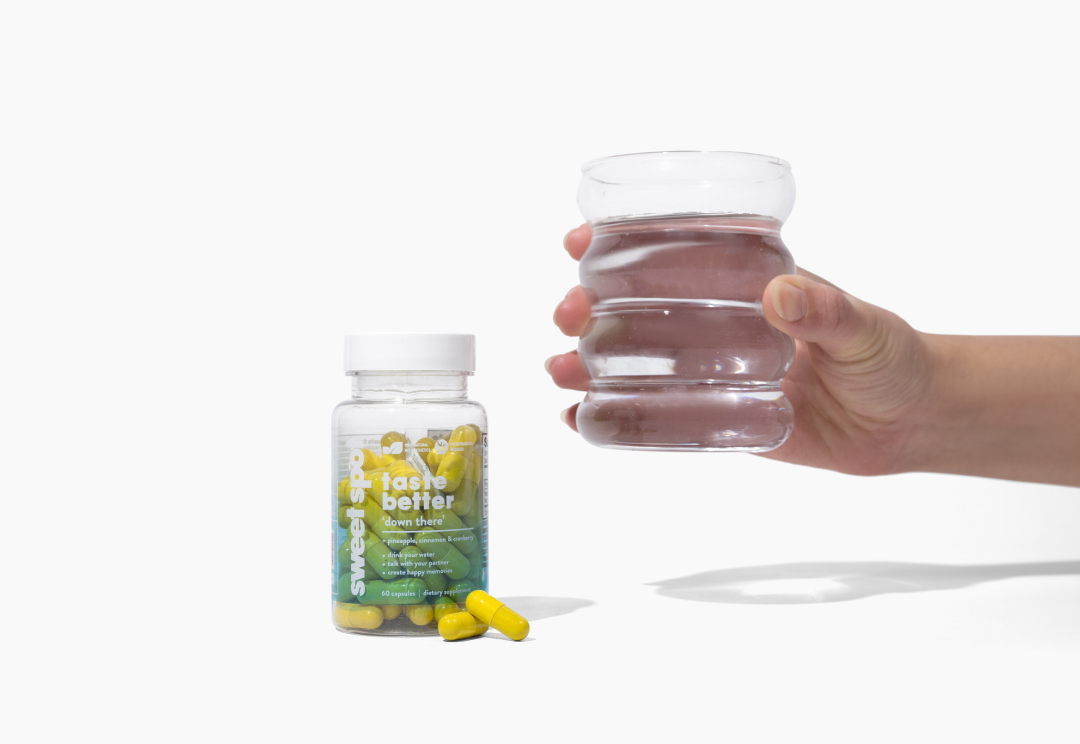
Pineapple-extract supplements and pH-balanced wipes — 30-day supply, made in the USA.

Shop The Sweet Spot

Questions people actually ask

  • Warm water externally in the morning, cotton underwear, change out of damp clothes promptly, and two to three litres of water. A pH-balanced wipe externally if you are out and cannot shower.

  • No. Ordinary soap is alkaline at pH 9–10 while intimate skin sits near 4.7, so it strips the acid mantle and irritates. Warm water is sufficient.

  • No. It removes the Lactobacillus bacteria producing the lactic acid that holds pH at 3.8–4.5, which is exactly what protects you from odour-causing overgrowth.

  • Externally and fragrance-free, generally yes. They supplement washing rather than replace it, and should never be used internally.

  • Warmth and moisture. Bacteria act on sweat, and sitting in damp kit extends the window. Change promptly and the problem largely disappears.

  • Blood is near pH 7.4, so vaginal pH rises during menstruation. Normal, and it settles afterwards.

  • Yes, though less than hygiene and moisture. Garlic and onion carry sulphur compounds into sweat and affect everyone — there is no genetic variation as there is with asparagus.

  • It gives you a consistent daily dose of pineapple-derived compounds alongside the routine. It is a support layer, not a substitute for water or hygiene, and not a treatment for anything.

  • Around 2.1 litres a day for women and 3.1 for men, per the Academy of Nutrition and Dietetics. Effects on odour show within 24–48 hours.

  • Strong fishy odour, itching or burning, grey or green discharge, or pelvic pain. Those are treatable conditions, not hygiene failures.

FROM OUR AMAZING CUSTOMERS

Loved by Those Who Know

star_rating

“Happy I found this product and to change my diet at all and even happier I don't need to worry about taste down there!”

star_rating

“Really gives a great flavor when you're having some fun.”

star_rating

Works fast. And obviously WORKS.

star_rating

“This is hands down the best supplement I’ve tried — I’m obsessed and already repurchased.”

pill-image
star_rating

“My guy won’t stop going down on me. He says I taste like flowers and fruit. I’m not correcting him.”

AUTHENTIC REVIEWS YOU CAN TRUST

EXPLORE OUR PRODUCTS

More from #juicyvibes