Get 20% off your order with code FRESH — or subscribe and save for monthly deliveries!

The gut–vagina axis, explained honestly

The gut–vagina axis, explained honestly

Gut Health and Intimate Wellness: The Gut-Vagina Axis

Short answer: the gut and the vagina are connected, the route is anatomical and short, and gut bacteria do reach the vaginal microbiome. What that connection cannot do is carry the weight the supplement industry puts on it.

The mechanism is real. The claims built on top of it are frequently not. This page separates the two, because "gut health" has become the explanation for everything and that makes it useless as an explanation for anything.

The gut–vagina axis
The anatomical proximity of the rectum and vagina means gut bacteria migrate to the vaginal area routinely. This is the accepted route by which Lactobacillus species — and less welcome organisms — reach the vaginal microbiome.
Why oral probiotics are studied at all
Because of that route. The theory is that an oral dose seeds the gut, and the gut seeds the vagina. It is a reasonable theory with disappointing measured results — one crossover trial detected orally-dosed L. rhamnosus GR-1 in the vagina of only 5% of women.
Candida and the gut
Candida is a normal gut resident. Antibiotics that deplete competing bacteria are a well-established trigger for thrush, which is a genuine gut-to-vagina link.
Fibre and fermented foods
Both support gut microbial diversity, with a solid general evidence base. The link from there to a specific vaginal outcome is plausible but far less well evidenced.
What "gut health" does not explain
It is not the cause of every symptom, and improving it is not a substitute for treating an infection. BV needs metronidazole; yeast needs an antifungal.
Where taste comes in
Digestion is where dietary compounds become the metabolites that end up in body fluids. That is a real and direct connection — and it is diet, not bacteria, doing most of the work.

What genuinely supports gut health

Unglamorous and well evidenced, in rough order of effect:

  1. Fibre diversity. Range of plants matters more than quantity of any one. Thirty different plant foods a week is the commonly cited target.
  2. Fermented foods. Yoghurt with live cultures, kefir, sauerkraut, kimchi. Consistent modest evidence.
  3. Fewer ultra-processed foods. Reliably associated with lower microbial diversity.
  4. Sleep and stress. Both measurably affect gut composition, and both get ignored because neither is purchasable.
  5. Antibiotics only when needed. Necessary when they are necessary — and the most disruptive single input to both microbiomes.
Four questions, straight answers

  • Is the gut–vagina axis real?

    Yes. The anatomical route is short and gut bacteria reach the vaginal microbiome routinely.
  • Do oral probiotics work through it?

    Poorly. One trial detected orally-dosed GR-1 in only 5% of women. The theory outruns the measurement.
  • What actually helps the gut?

    Plant diversity, fermented foods, fewer ultra-processed foods, sleep. None of it is purchasable.
  • Does it fix infections?

    No. BV needs metronidazole, yeast needs an antifungal. Gut health is a background factor.
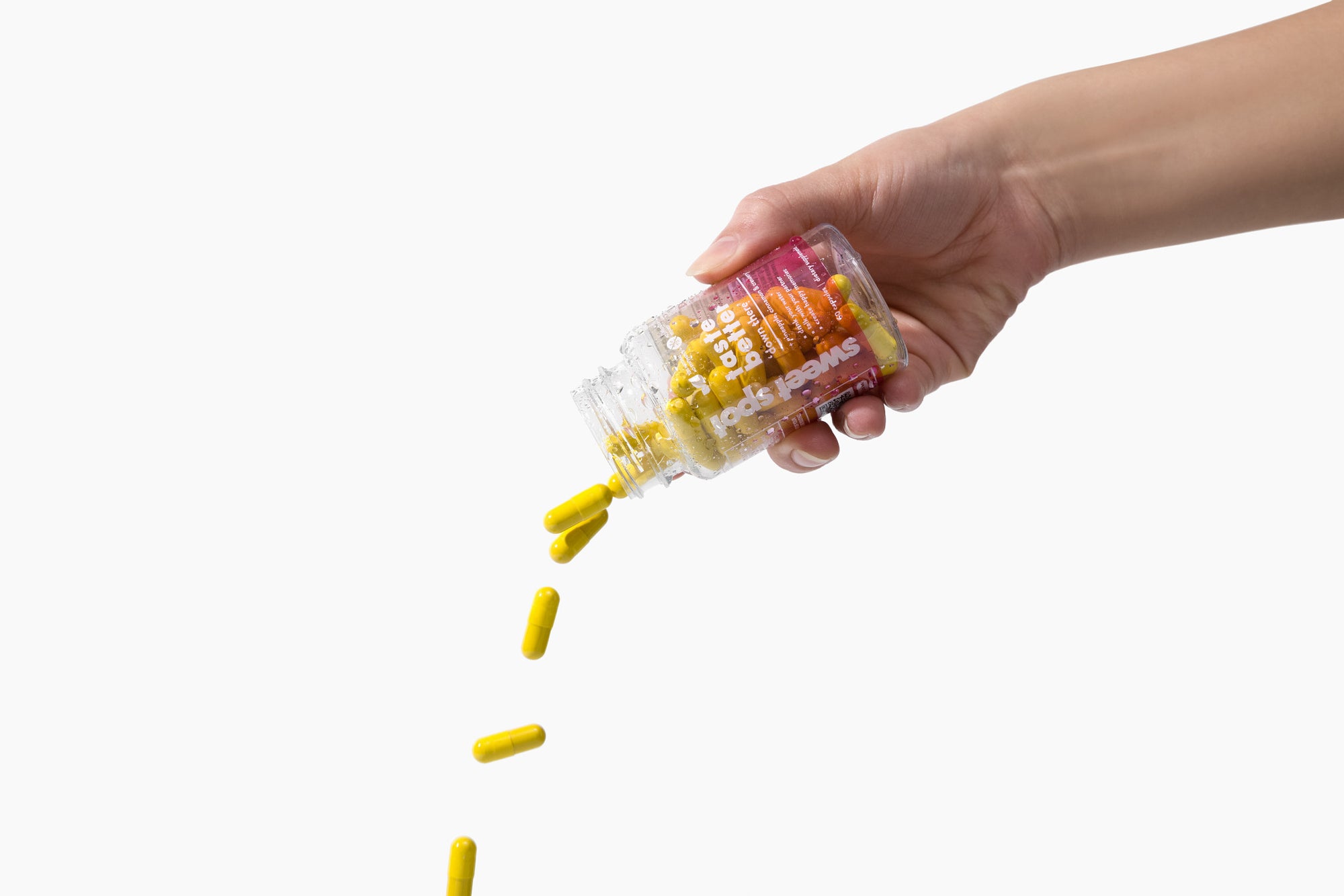
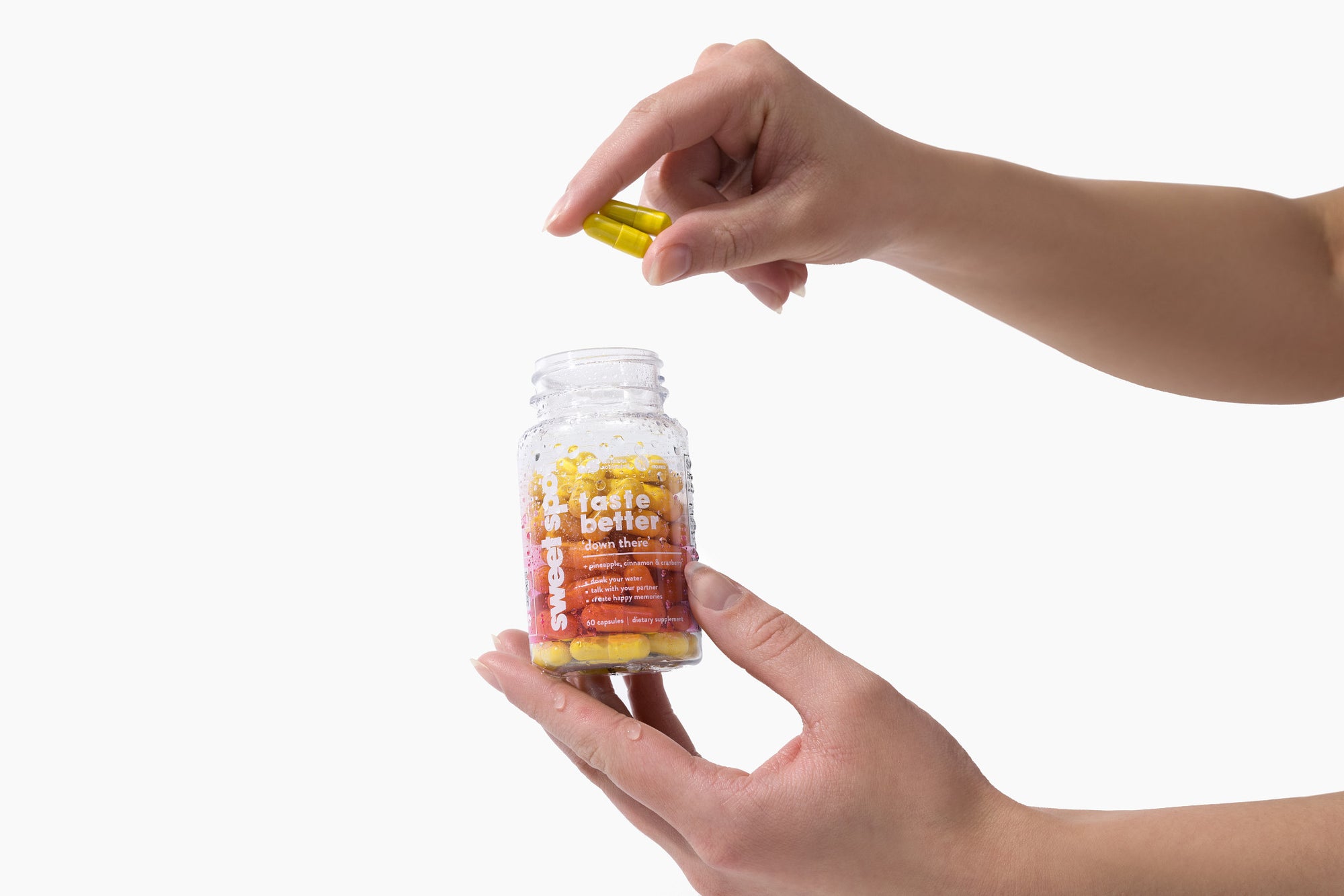
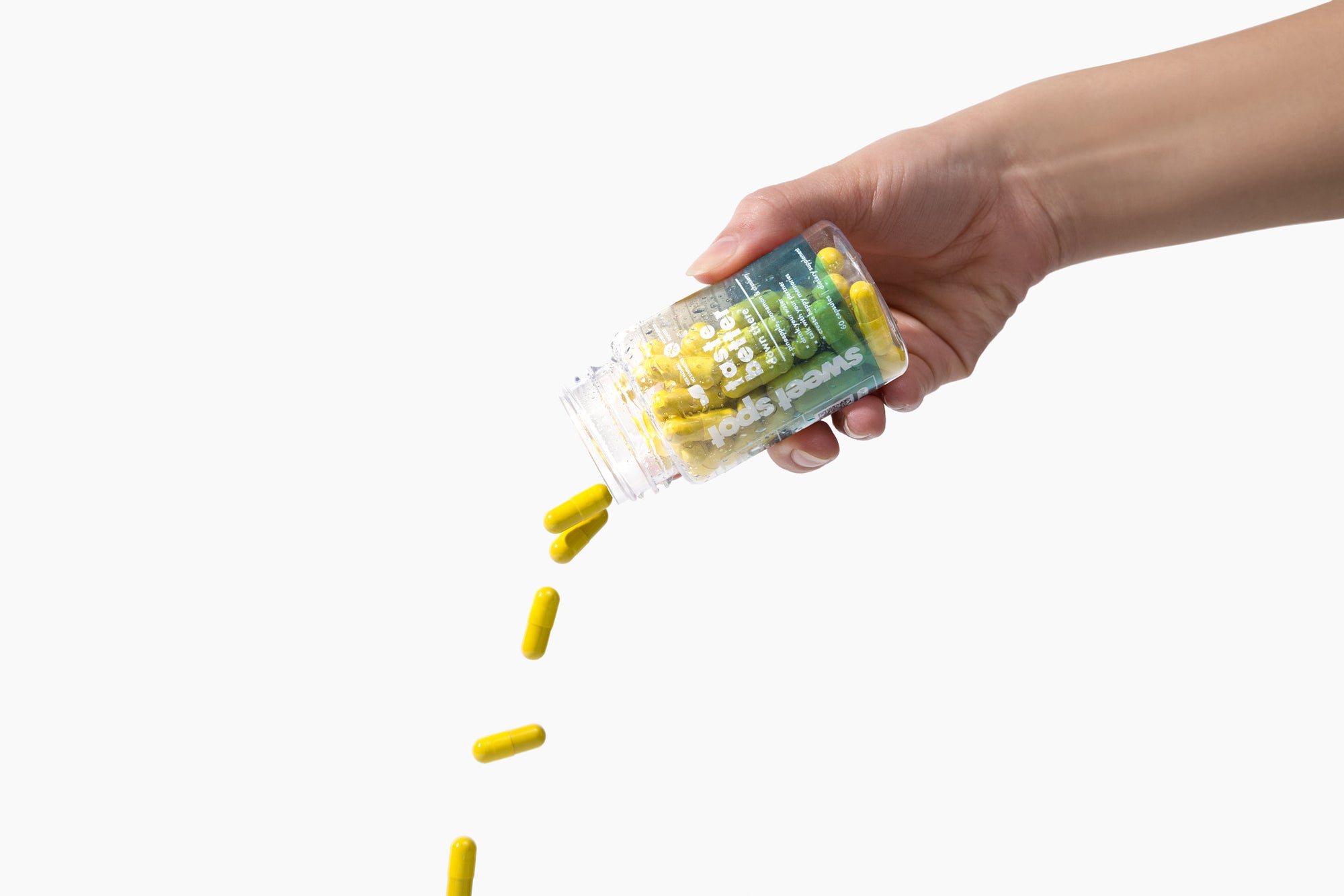
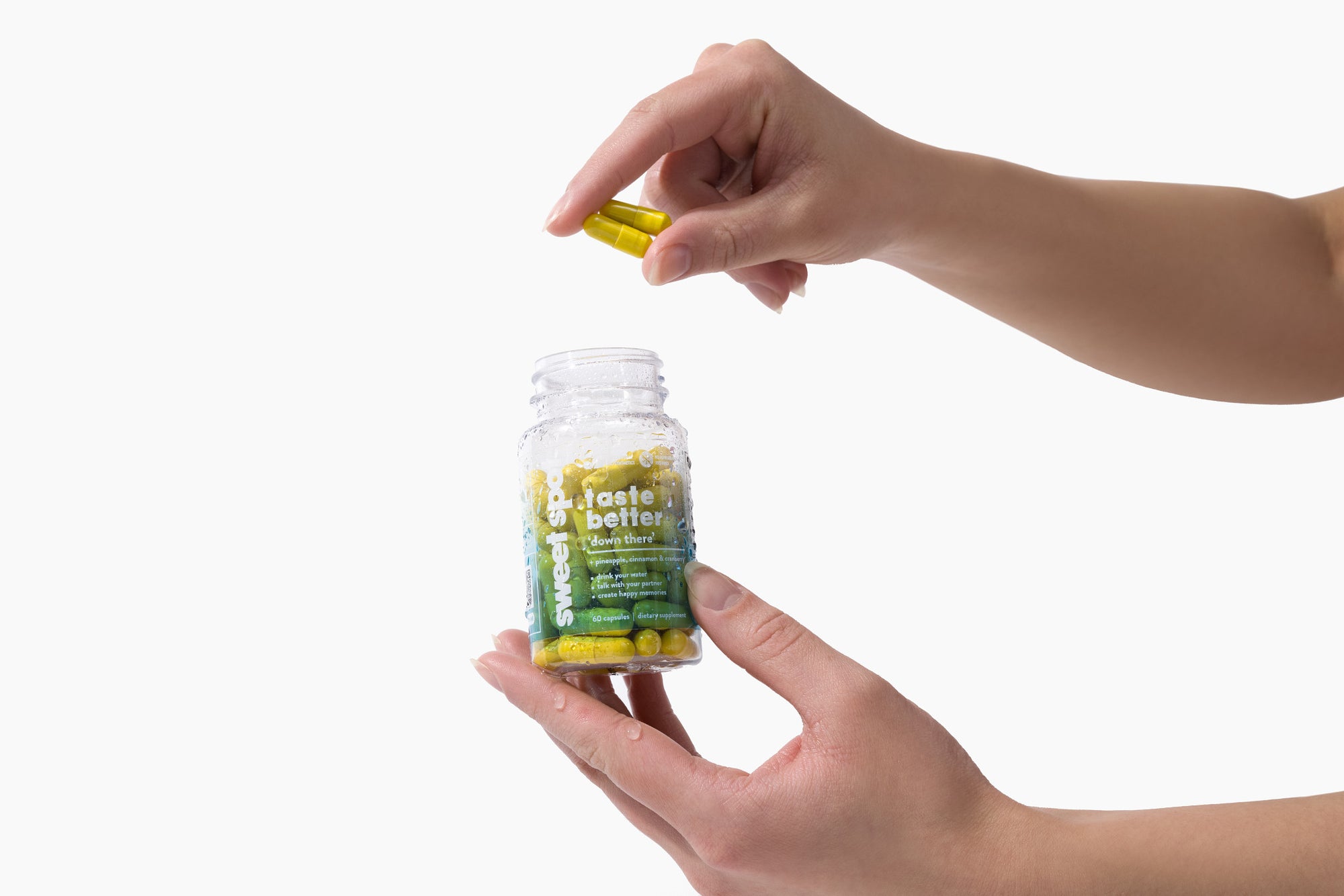
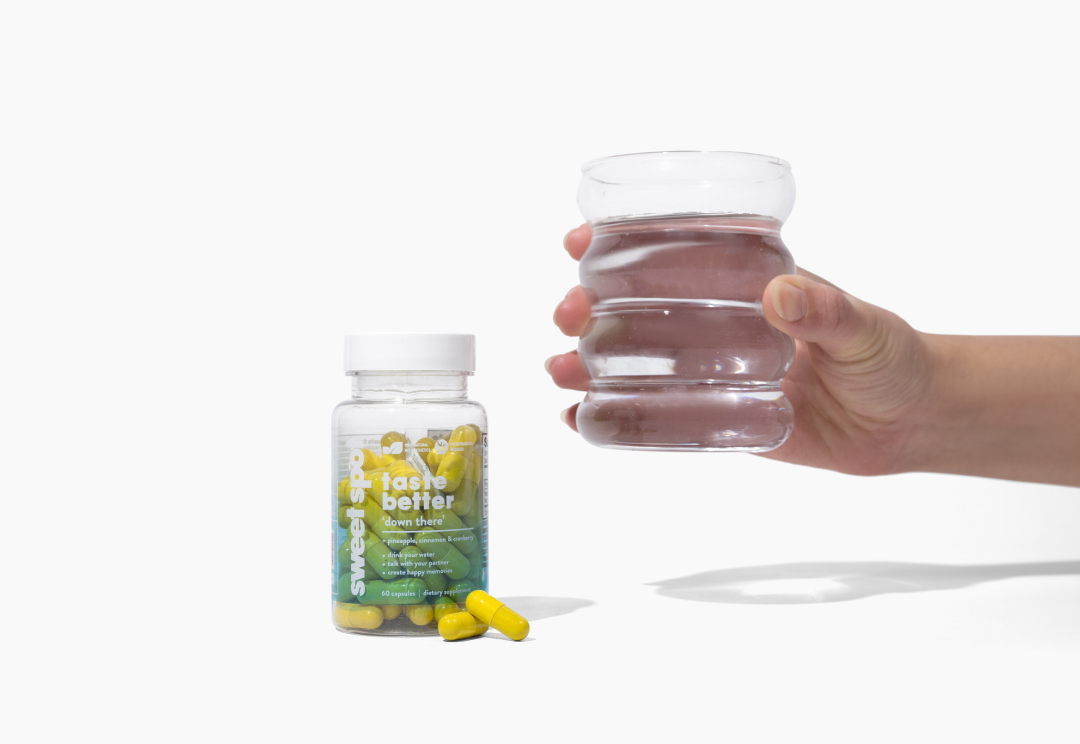
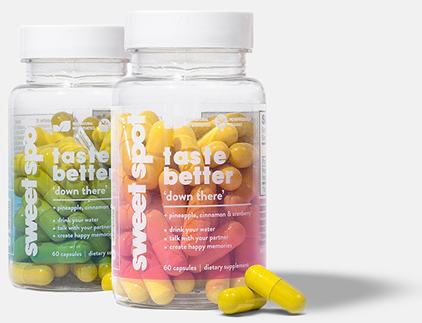
Pineapple-extract supplements and pH-balanced wipes — 60 capsules, a 30-day supply, made in the USA.

Shop The Sweet Spot

Questions people actually ask

  • Yes. The rectum and vagina are anatomically close and gut bacteria migrate to the vaginal area routinely — it is how Lactobacillus species establish there in the first place.

  • It contributes. Candida is a normal gut resident and antibiotics that deplete competing bacteria are a well-documented trigger for thrush. But vaginal pH, hormones and hygiene explain more of the variance in most cases.

  • Poorly. One randomised crossover trial detected orally-dosed L. rhamnosus GR-1 in only 5% of women and L. reuteri RC-14 in none. That gap is why vaginal suppositories exist.

  • Not on its own. Infections need proper treatment. Gut health is a reasonable part of a recurrence conversation with a clinician, not a substitute for the drug that clears the episode.

  • A wide range of plants — thirty different plant foods a week is the common target, and herbs, spices, nuts and seeds count. Plus fermented foods: live-culture yoghurt, kefir, sauerkraut, kimchi.

  • Live-culture yoghurt has modest, consistent evidence for gut diversity. Eating it is well supported; the folk practice of applying it topically is not.

  • Weeks to months. Diet changes shift composition measurably within days, but a stable change is a much longer process than most marketing implies.

  • Digestion is where dietary compounds become the metabolites that reach body fluids, so the connection is direct — but it is mostly the food doing the work rather than the bacteria.

  • No. They are pineapple-extract supplements for everyday freshness and taste. They are not probiotics, they name no strains, and they are not a gut-health product.

  • For general gut health the evidence base is broader than for vaginal outcomes. Look for named strains and a CFU count guaranteed at expiry, and treat it as support rather than treatment.

FROM OUR AMAZING CUSTOMERS

Loved by Those Who Know

star_rating

“Happy I found this product and to change my diet at all and even happier I don't need to worry about taste down there!”

star_rating

“Really gives a great flavor when you're having some fun.”

star_rating

Works fast. And obviously WORKS.

star_rating

“This is hands down the best supplement I’ve tried — I’m obsessed and already repurchased.”

pill-image
star_rating

“My guy won’t stop going down on me. He says I taste like flowers and fruit. I’m not correcting him.”

AUTHENTIC REVIEWS YOU CAN TRUST

EXPLORE OUR PRODUCTS

More from #juicyvibes