Get 20% off your order with code FRESH — or subscribe and save for monthly deliveries!

Vaginal dryness — what actually helps

Vaginal dryness — what actually helps

Vaginal Dryness: Lubricants, Moisturisers and What to Look For

Short answer: lubricants and moisturisers are different products doing different jobs. A moisturiser is used regularly for ongoing dryness. A lubricant is used at the time, for comfort. Most people buy one when they needed the other.

Two selection criteria matter more than brand and almost nobody explains them: osmolality, and whether the product contains glycerin if you are prone to thrush.

Moisturiser
Used every few days, regardless of sex, to keep vaginal tissue hydrated over time. Hormone-free. Think of it as skincare for tissue rather than something for the moment.
Lubricant
Applied at the time, for comfort during sex. Does nothing for underlying tissue health.
Water-based
The default. Condom-safe, toy-safe, easy to wash off. Dries faster and may need reapplying.
Silicone-based
Longest-lasting, works in water, condom-safe. Not compatible with silicone toys.
Oil-based
Long-lasting and natural-feeling, but not safe with latex condoms — it degrades them.
Osmolality
How concentrated the formula is relative to your own cells. A very high-osmolality lubricant draws water out of vaginal tissue, which can leave it more irritated afterwards. "Osmolality-balanced" on a label is a genuine quality signal, not marketing.
Glycerin
A common humectant, and a sugar alcohol. If you are prone to yeast infections, glycerin-free is the safer choice — this is the single most useful selection rule in the category.

What actually causes it

  • Low oestrogen — the most common driver. Menopause and perimenopause, but also breastfeeding, some contraceptives, and certain cancer treatments.
  • Not enough arousal time. Unromantic but genuinely the most common cause in younger people, and the easiest to address.
  • Over-cleaning. Soap and douching strip the tissue and disrupt the flora keeping it healthy. The routine that helps.
  • Dehydration. A contributor rather than a cause, but a real one. The numbers.
  • Medications — antihistamines and some antidepressants among them.

Persistent dryness with pain, bleeding or burning is worth a clinician rather than a shelf — it is treatable, and prescription options exist where over-the-counter products are not enough.
Four questions, straight answers

  • Lubricant or moisturiser?

    Moisturiser for ongoing dryness, used regularly. Lubricant at the time, for comfort. Different jobs.
  • Which base?

    Water-based is the safe default. Silicone lasts longest. Oil-based is not latex-condom safe.
  • What is osmolality?

    How concentrated the formula is. Too high and it draws water out of tissue, leaving it more irritated.
  • Yeast-prone?

    Choose glycerin-free. Glycerin is a sugar alcohol and the most useful selection rule in the category.
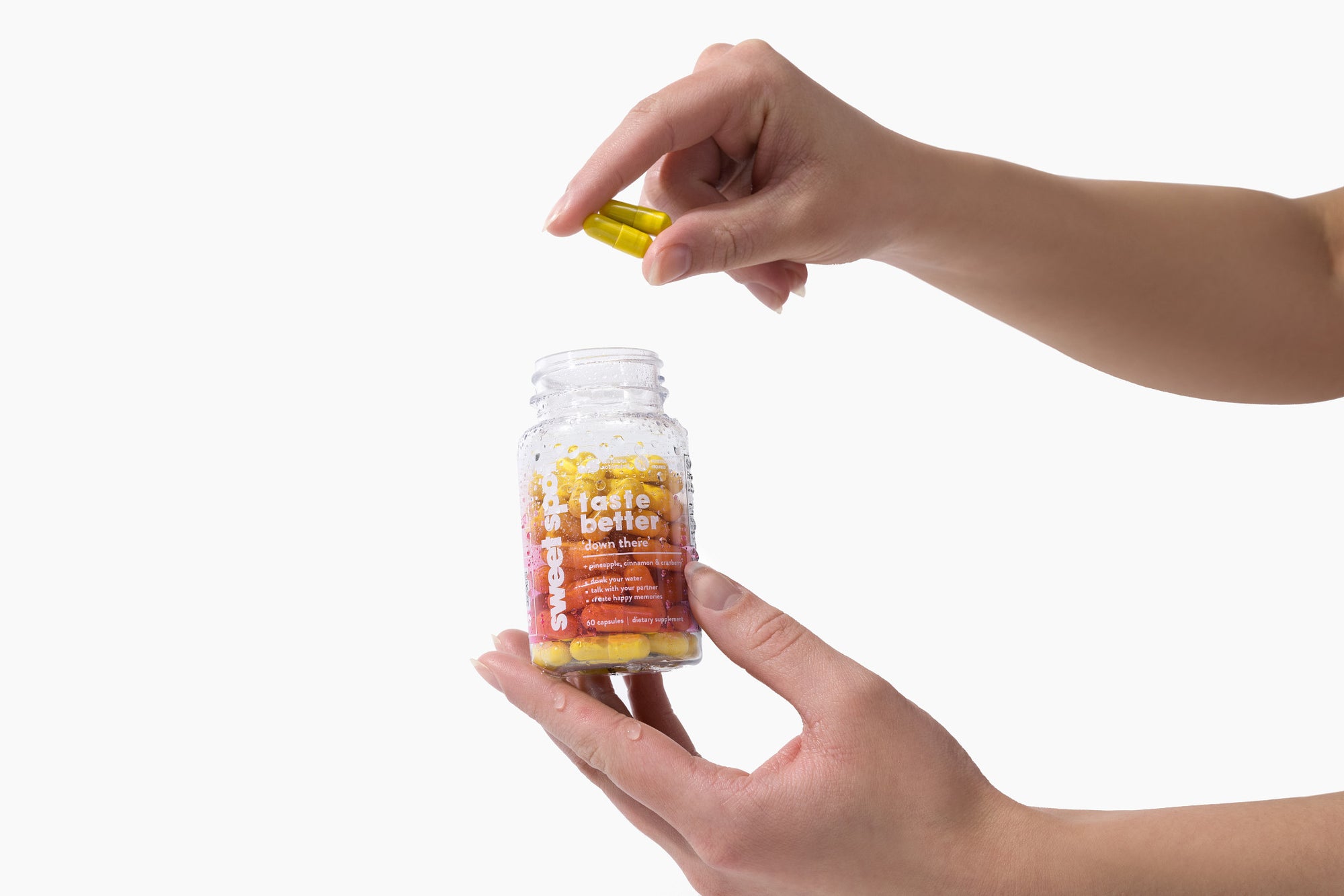
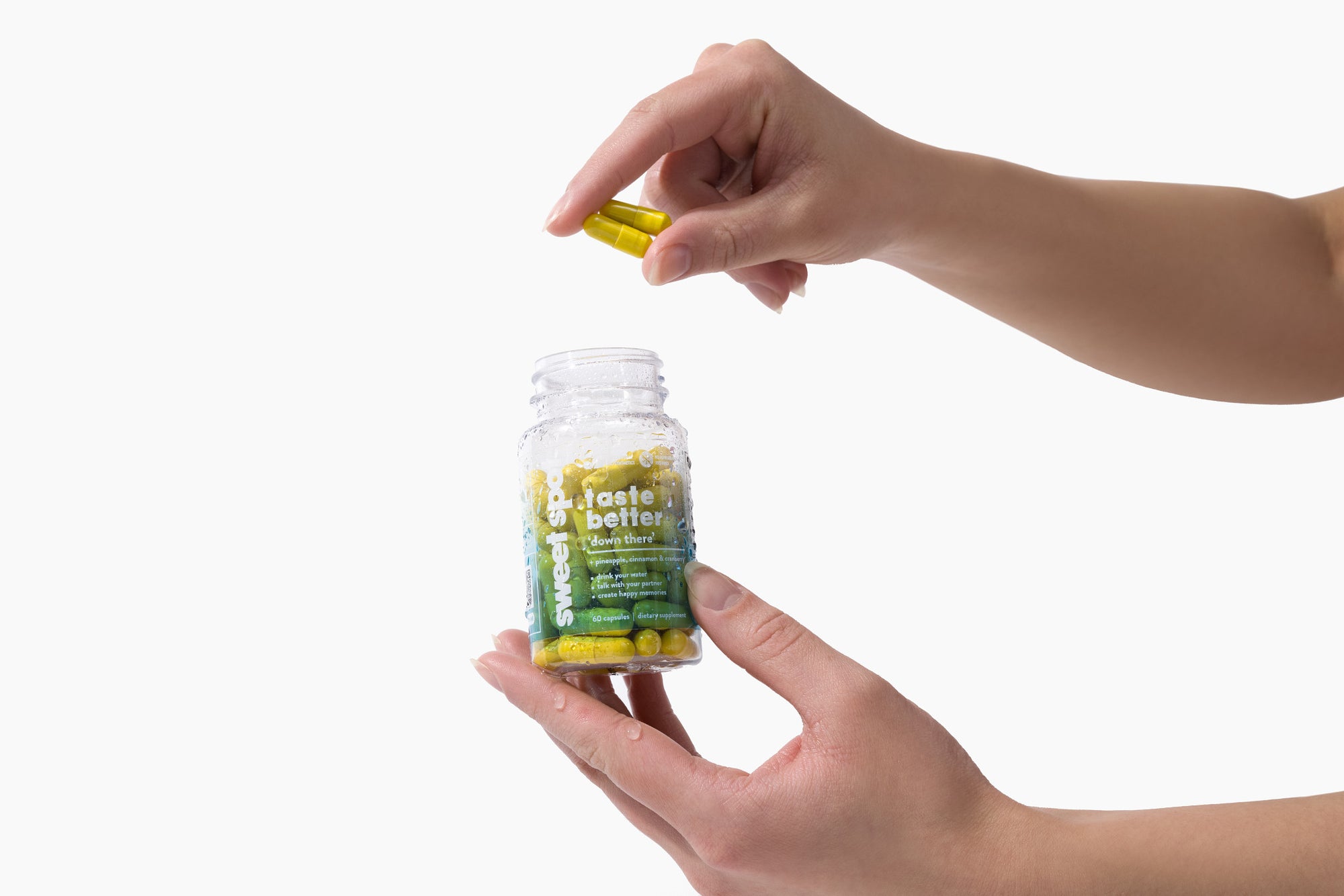
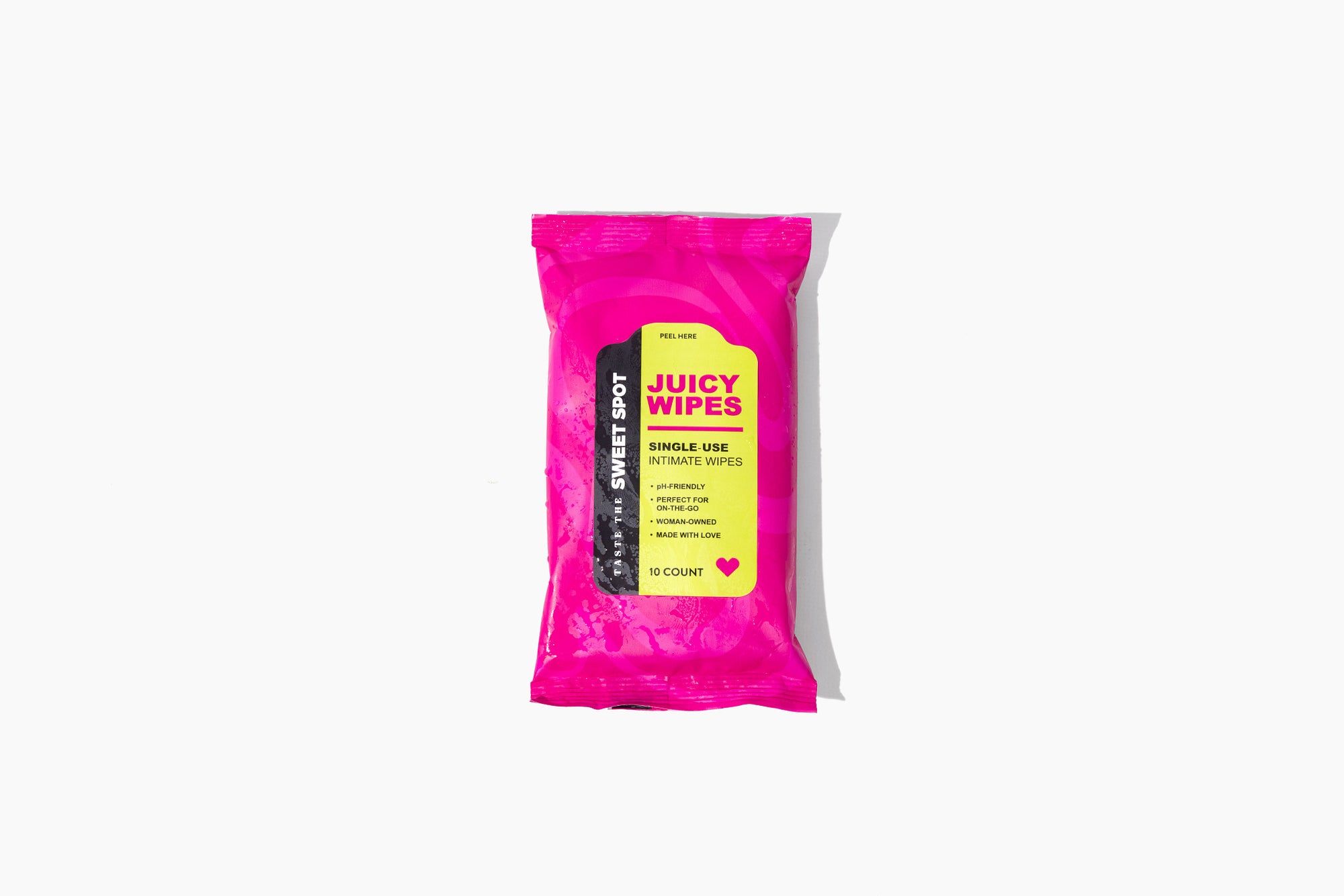
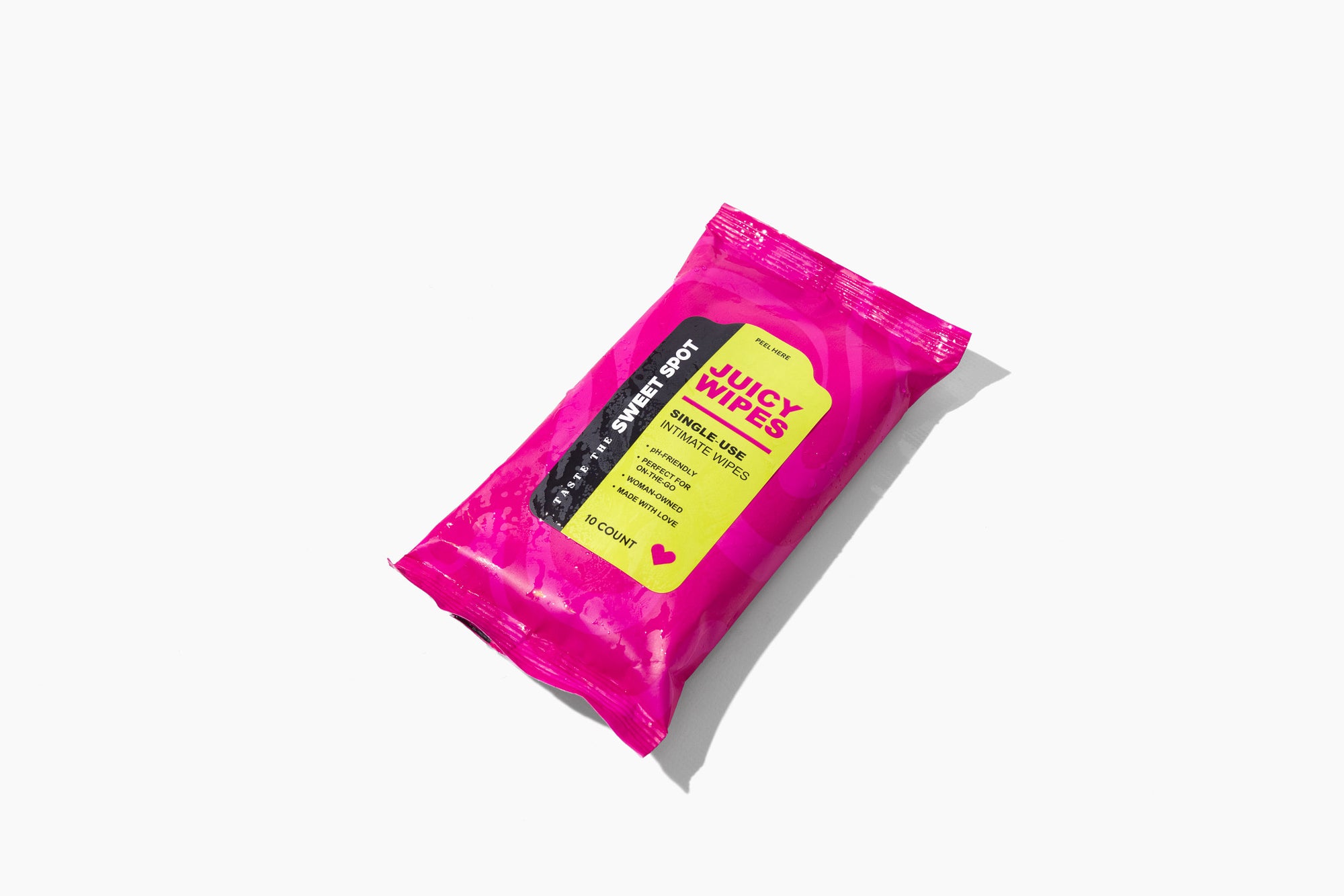
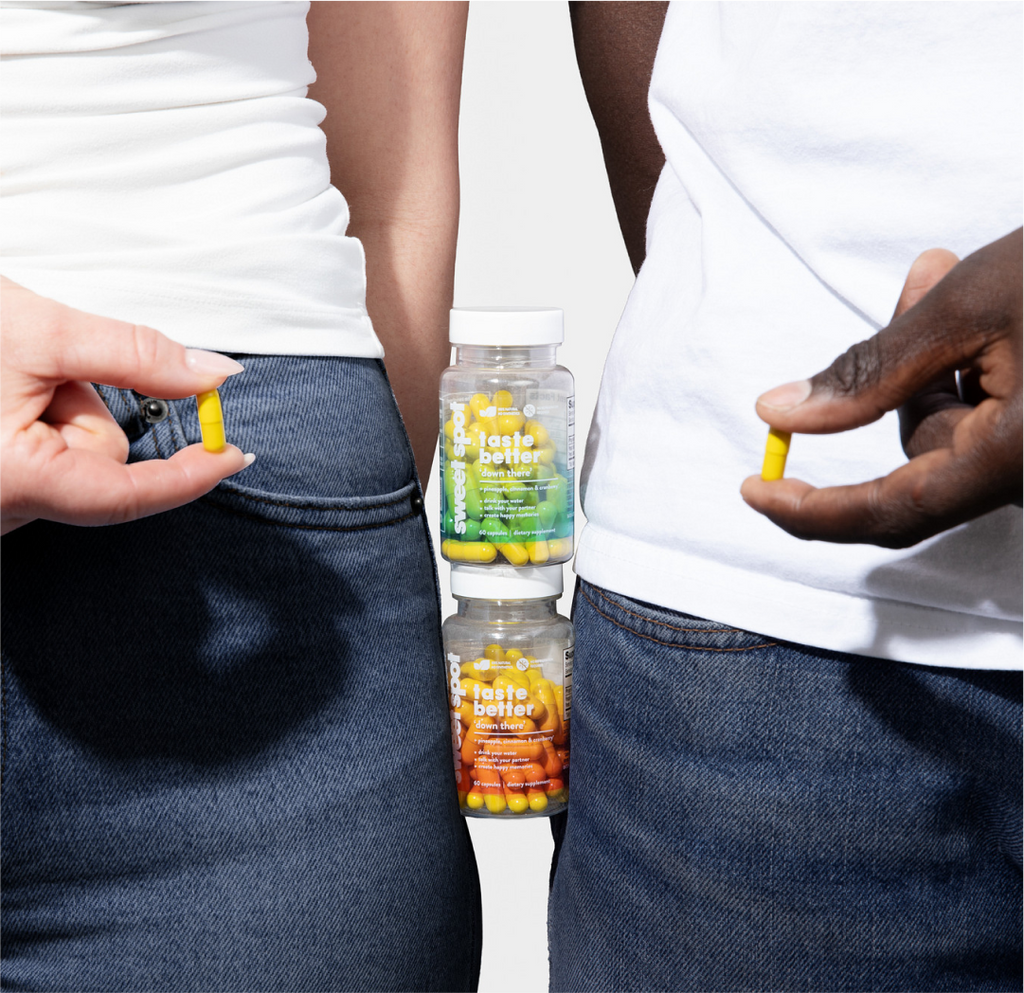
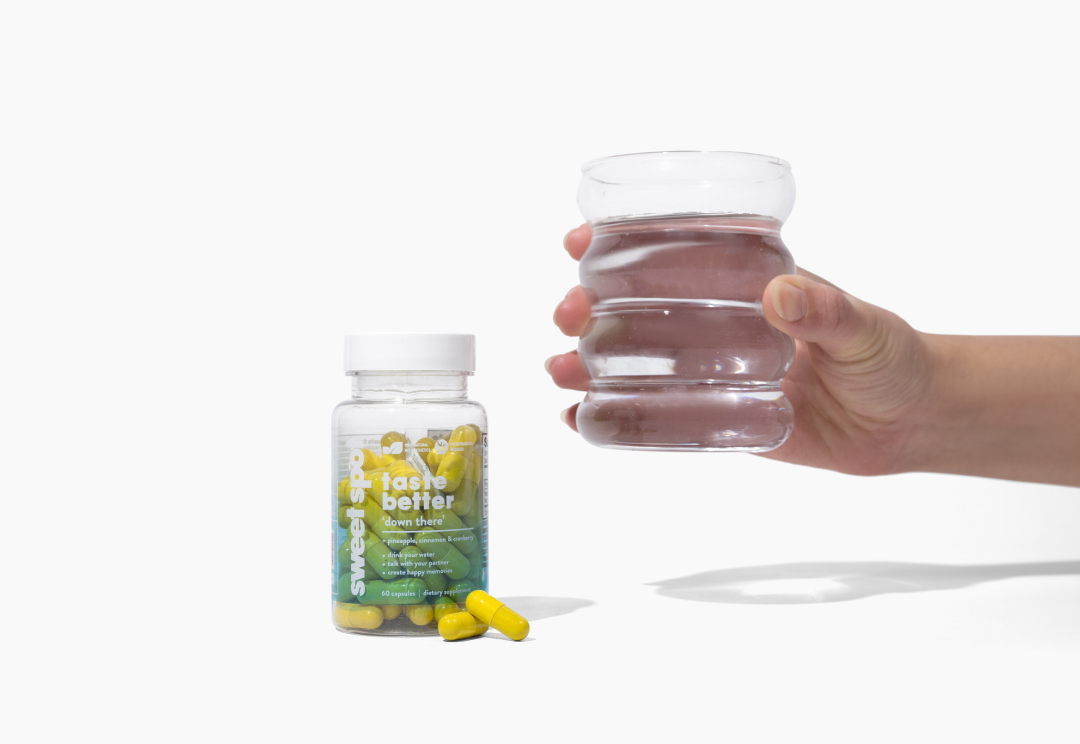
Pineapple-extract supplements and pH-balanced wipes — 60 capsules, a 30-day supply, made in the USA.

Shop The Sweet Spot

Questions people actually ask

  • A moisturiser is used regularly, regardless of sex, to hydrate vaginal tissue over time. A lubricant is applied at the time for comfort during sex and does nothing for underlying tissue health. Many people buy one when they needed the other.

  • Water-based is the safe default — condom- and toy-safe and easy to clean. Silicone lasts longest and works in water but is not compatible with silicone toys. Oil-based feels natural but degrades latex condoms.

  • It is how concentrated the formula is relative to your own cells. A high-osmolality product draws water out of vaginal tissue and can leave it more irritated afterwards, so an osmolality-balanced formula is a genuine quality signal.

  • If you are prone to yeast infections, yes — glycerin is a sugar alcohol and glycerin-free is the safer choice. It is the most useful single selection rule in this category.

  • Most commonly low oestrogen — menopause, perimenopause, breastfeeding, some contraceptives and certain cancer treatments. Insufficient arousal time, over-cleaning, dehydration and some medications also contribute.

  • It contributes rather than causes. Around 2.1 litres a day for women is the general guideline, and it is free, so it is worth ruling out first.

  • They are usually the most irritating products on the shelf. If you are already dry or sensitive, skip them.

  • Very likely. Ordinary soap is alkaline at pH 9–10 against tissue at 3.8–4.5. Warm water externally is the correct routine, and nothing should be used internally.

  • No, and we will not claim they do. They are pineapple-extract supplements for everyday freshness and taste. Dryness is a tissue and hormonal question, and a moisturiser or a clinician is the right answer.

  • Persistent dryness with pain, bleeding or burning, or dryness that over-the-counter products do not resolve. It is treatable and prescription options exist.

FROM OUR AMAZING CUSTOMERS

Loved by Those Who Know

star_rating

“Happy I found this product and to change my diet at all and even happier I don't need to worry about taste down there!”

star_rating

“Really gives a great flavor when you're having some fun.”

star_rating

Works fast. And obviously WORKS.

star_rating

“This is hands down the best supplement I’ve tried — I’m obsessed and already repurchased.”

pill-image
star_rating

“My guy won’t stop going down on me. He says I taste like flowers and fruit. I’m not correcting him.”

AUTHENTIC REVIEWS YOU CAN TRUST

EXPLORE OUR PRODUCTS

More from #juicyvibes