Get 20% off your order with code FRESH — or subscribe and save for monthly deliveries!

PCOS, blood sugar and recurrent infections

PCOS, blood sugar and recurrent infections

PCOS, Diabetes and Vaginal Health: The Blood Sugar Link

Short answer: yeast feeds on sugar, and both PCOS and diabetes change how much sugar is available to it. If you have either and keep getting thrush, that is a mechanism, not a coincidence — and not a hygiene failure.

Three separate routes are at work, which is why the effect is bigger than people expect.

1. Blood glucose feeds Candida
Elevated blood sugar is directly associated with recurrent yeast infections. Candida metabolises glucose, and higher circulating levels mean more available fuel.
2. Elevated glucose weakens the immune response
High blood sugar impairs the disease-fighting activity of white blood cells, so infections take hold more easily and clear more slowly.
3. Insulin resistance raises vaginal glycogen
This is the mechanism most people have never heard. Insulin resistance increases glycogen storage in vaginal cells — and glycogen is precisely what Candida thrives on. The same molecule that feeds your protective lactobacilli also feeds the yeast.
PCOS specifically
Elevated androgens in PCOS disrupt the vaginal microbiome, typically reducing Lactobacillus. Fewer lactobacilli means less lactic acid and a higher pH.
The diabetes risk
Women with PCOS are four times more likely to develop type 2 diabetes than women without it. The two conditions compound.
Dehydration
Diabetes causes fluid loss as the kidneys excrete excess glucose. Dehydration concentrates everything and raises UTI risk — and it is the easiest of all these to address.

This is metabolic, not behavioural

The most useful thing on this page: if you have PCOS or diabetes and recurrent infections, you are not doing hygiene wrong. You are managing a condition that changes the chemistry of the environment.

Which also means the highest-leverage intervention is not a wash, a wipe or a supplement — it is glycaemic control, and that belongs with your clinician.
Four questions, straight answers

  • Why do I keep getting thrush?

    Yeast feeds on sugar. Elevated glucose and insulin resistance both increase what is available to it.
  • What is the PCOS link?

    Elevated androgens reduce Lactobacillus, and PCOS carries 4× the risk of type 2 diabetes.
  • Is it my hygiene?

    No. This is metabolic. Washing more strips the bacteria you need and makes it worse.
  • What helps most?

    Glycaemic control, with your clinician. Everything else is secondary to that.
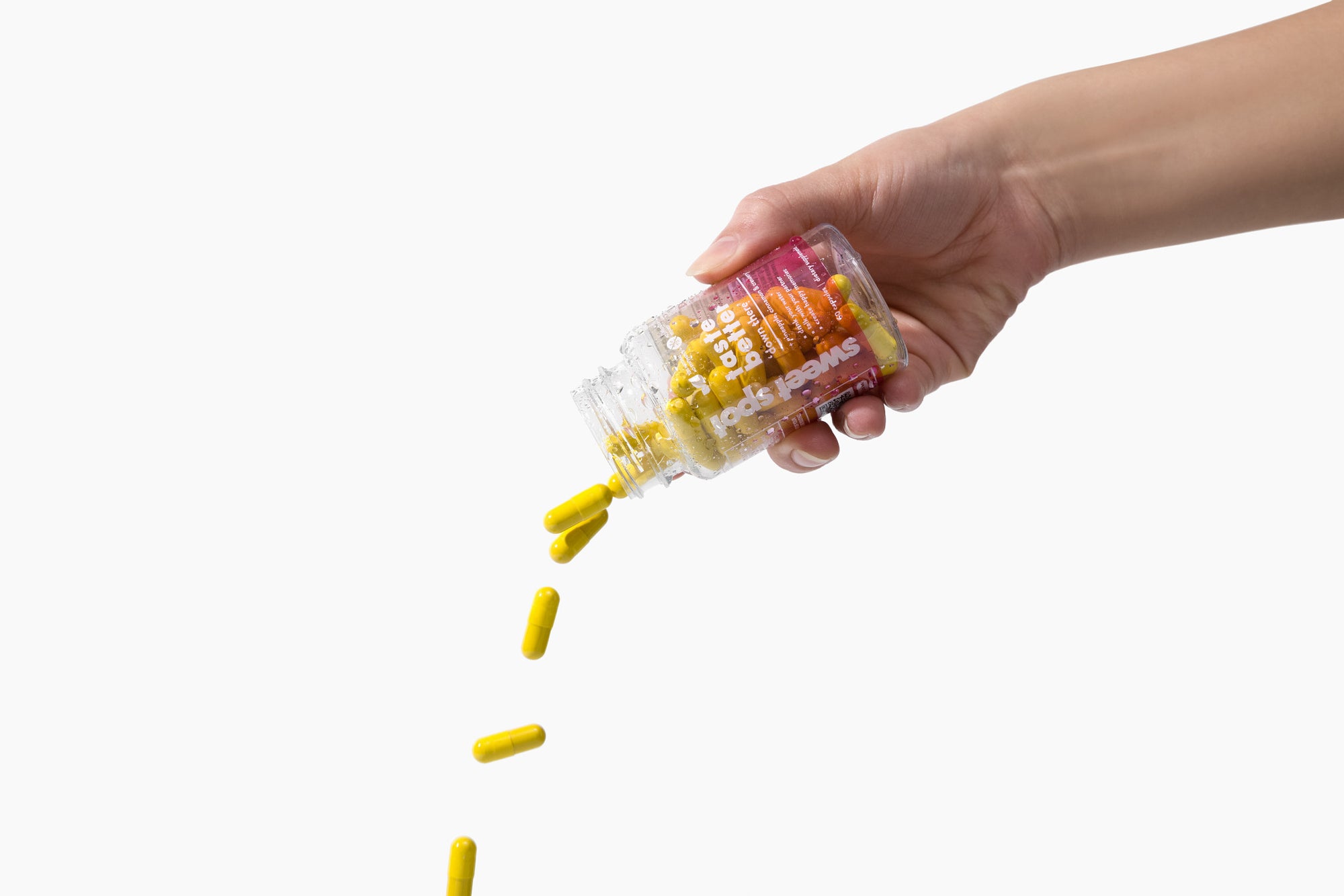
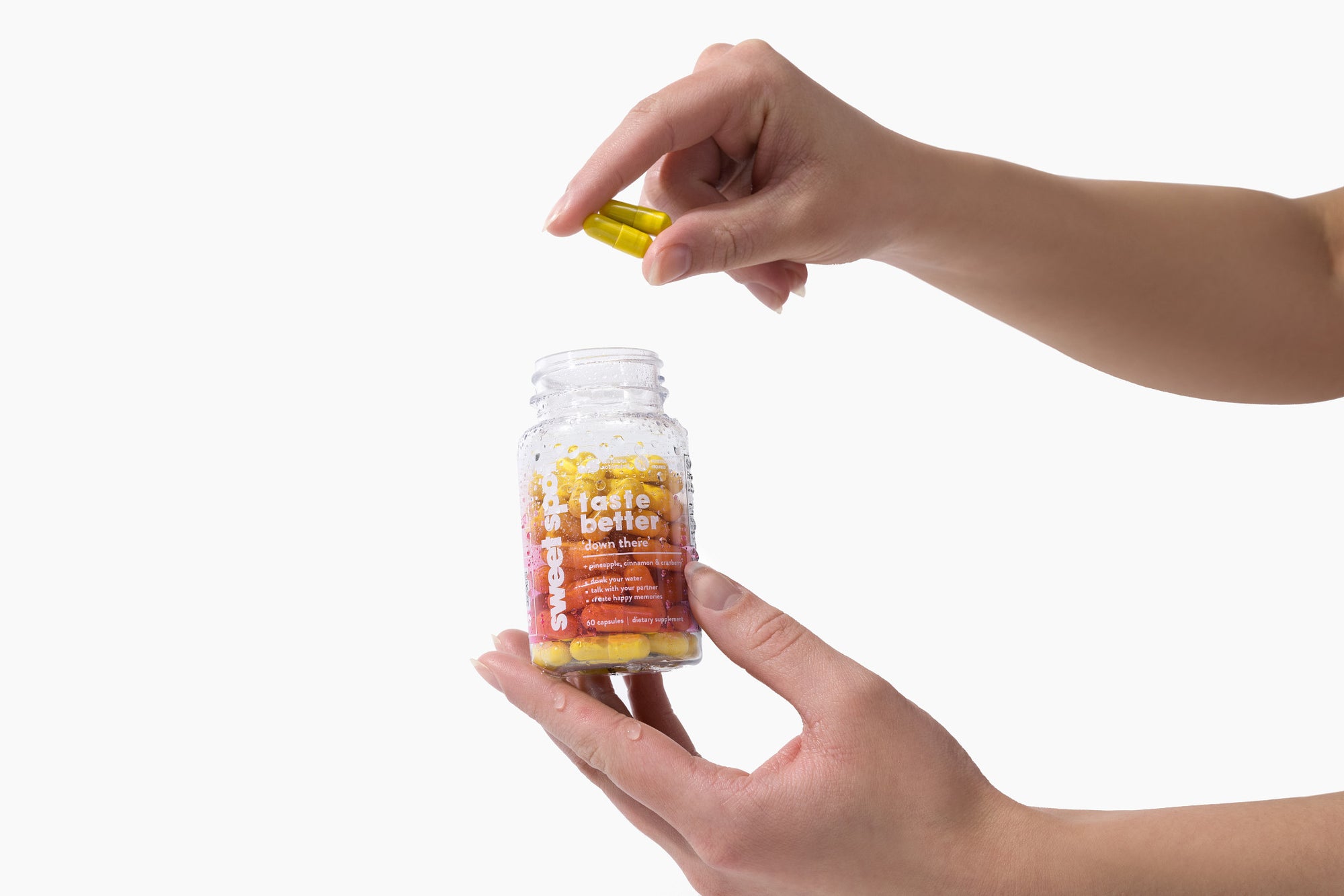
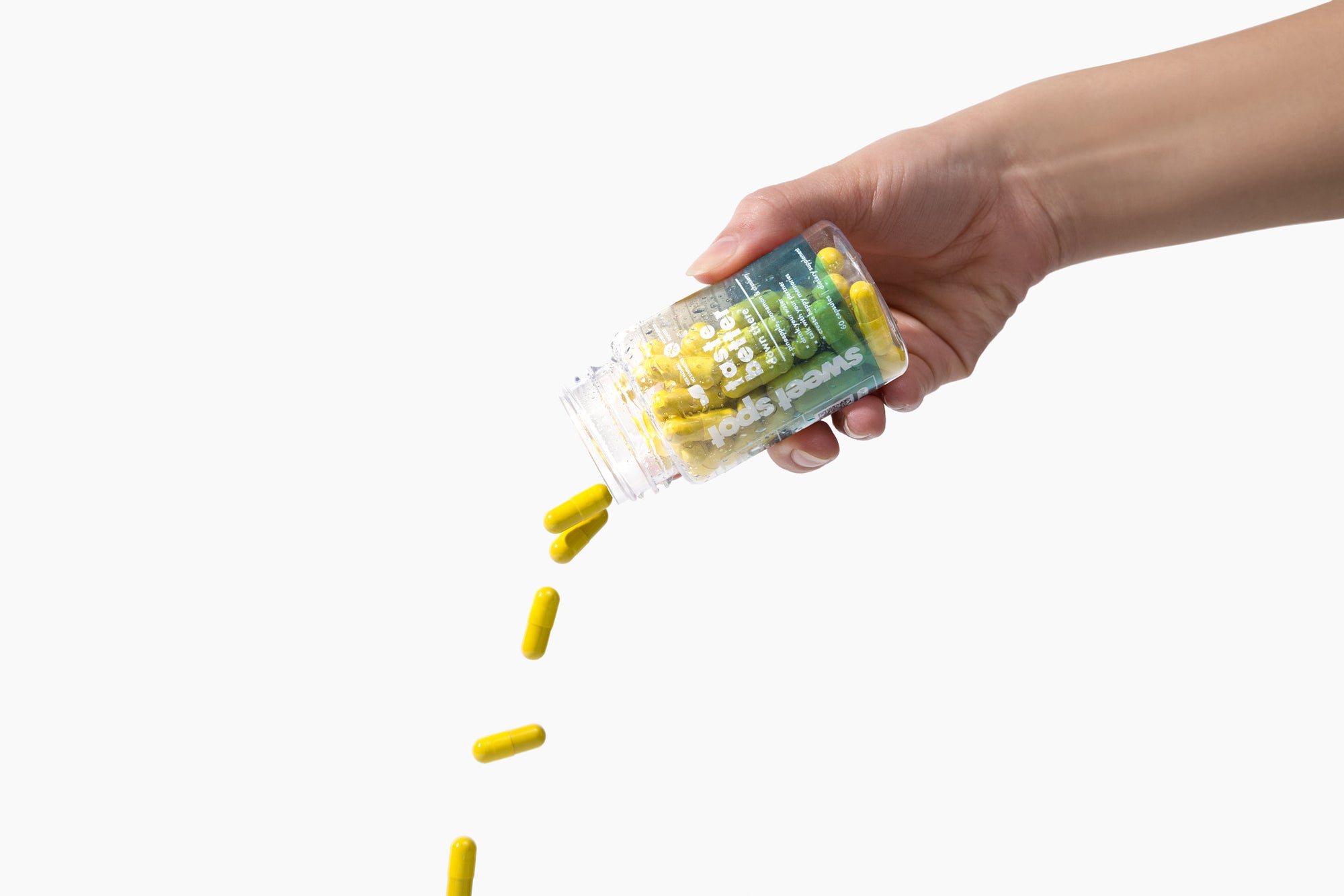
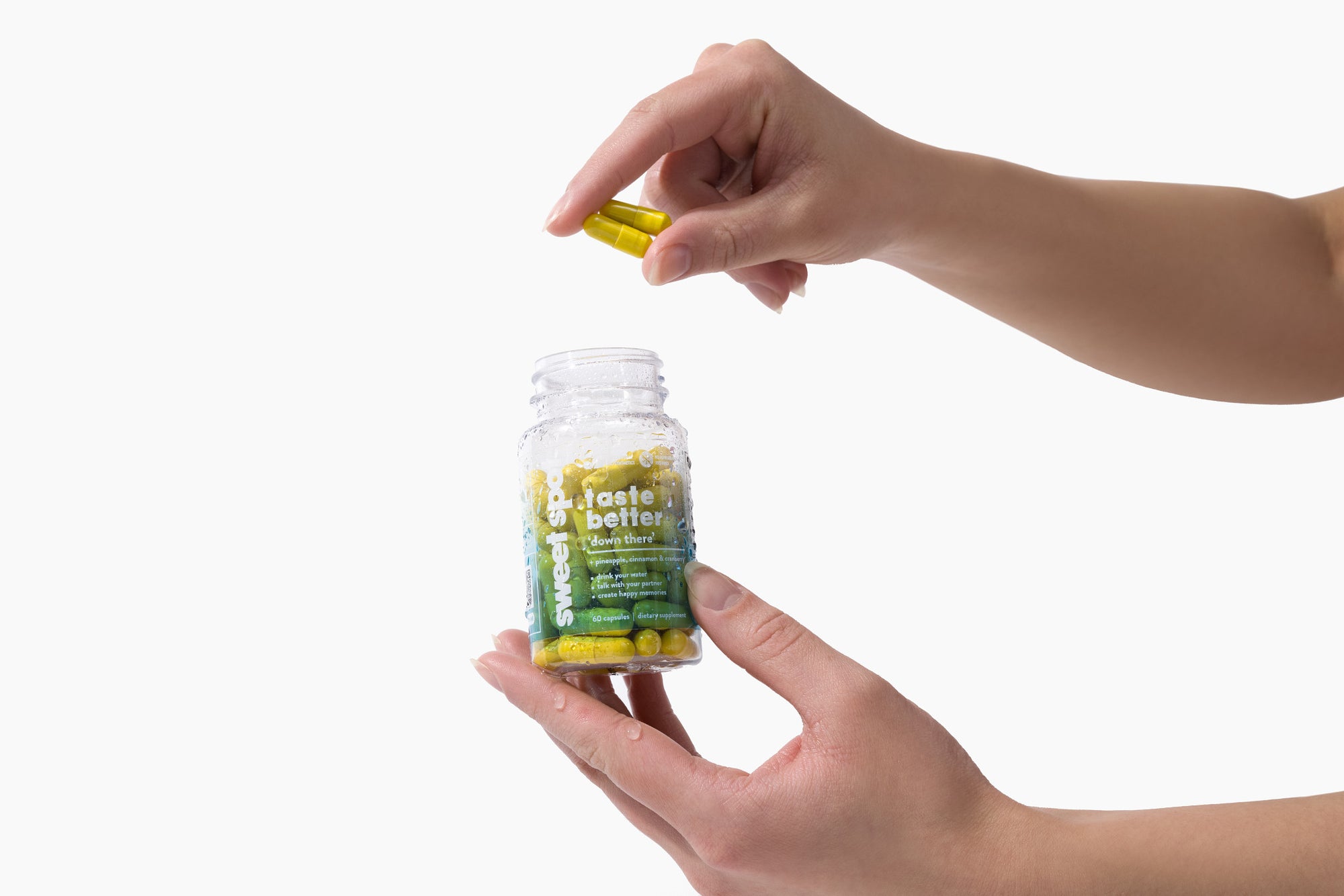
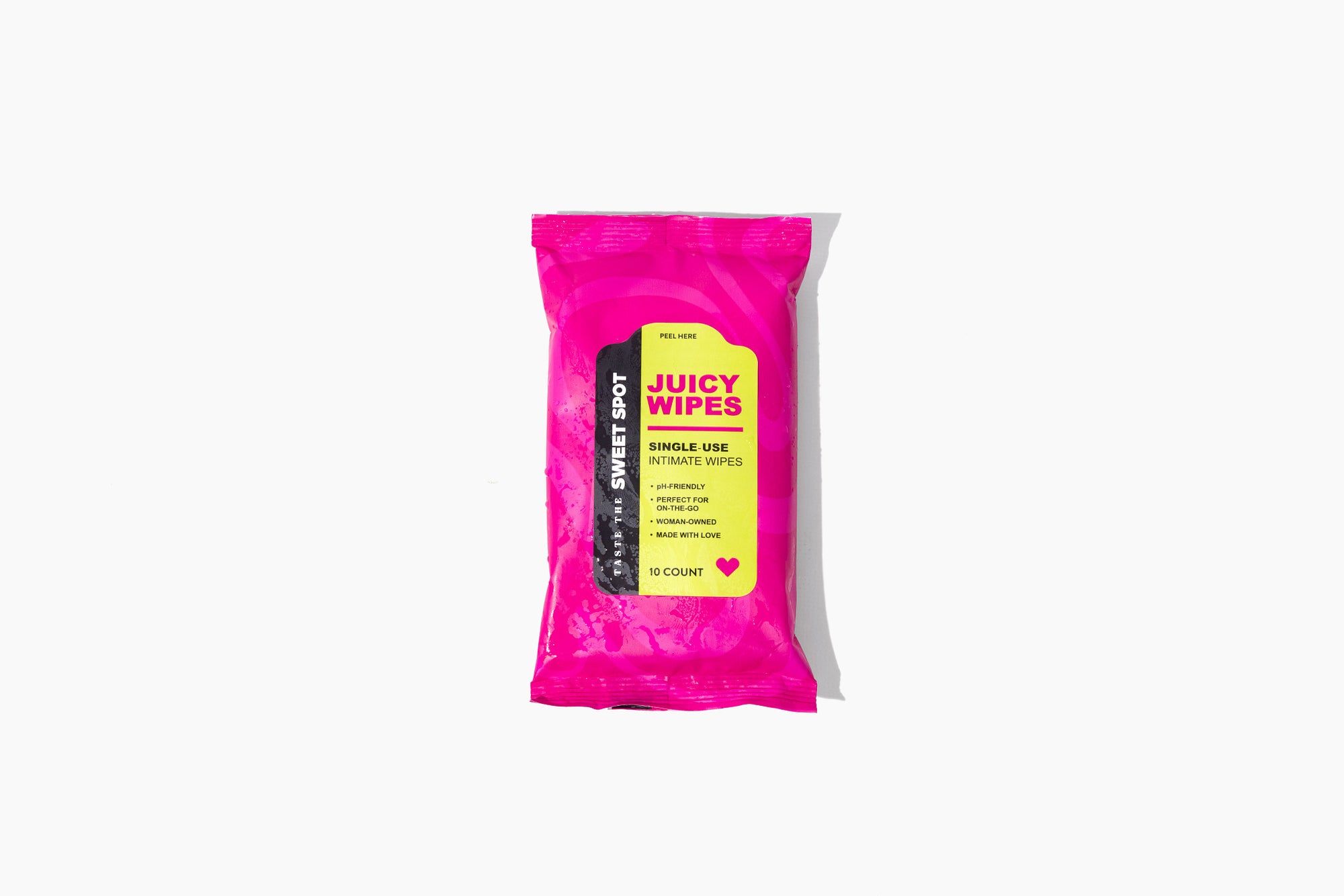
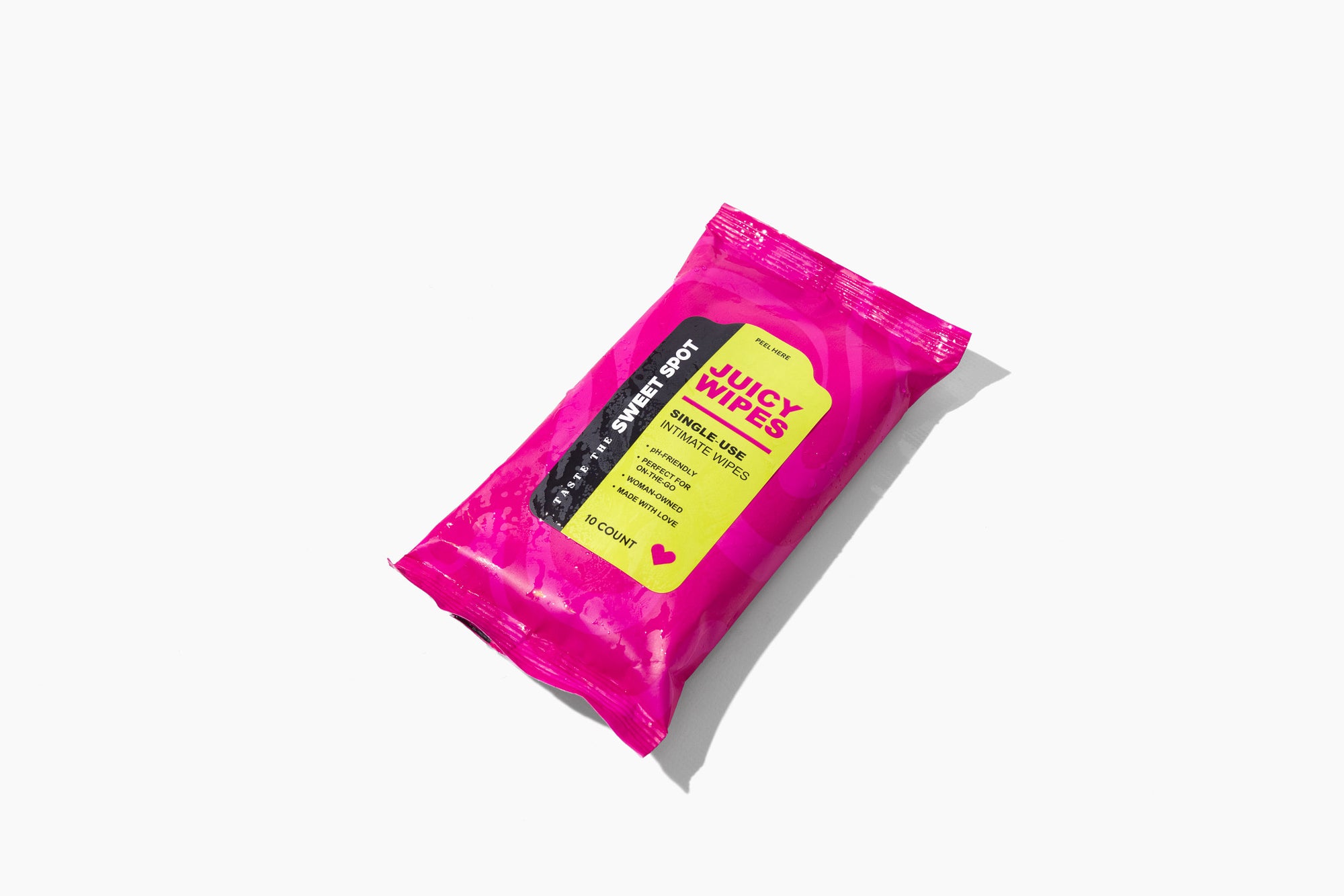
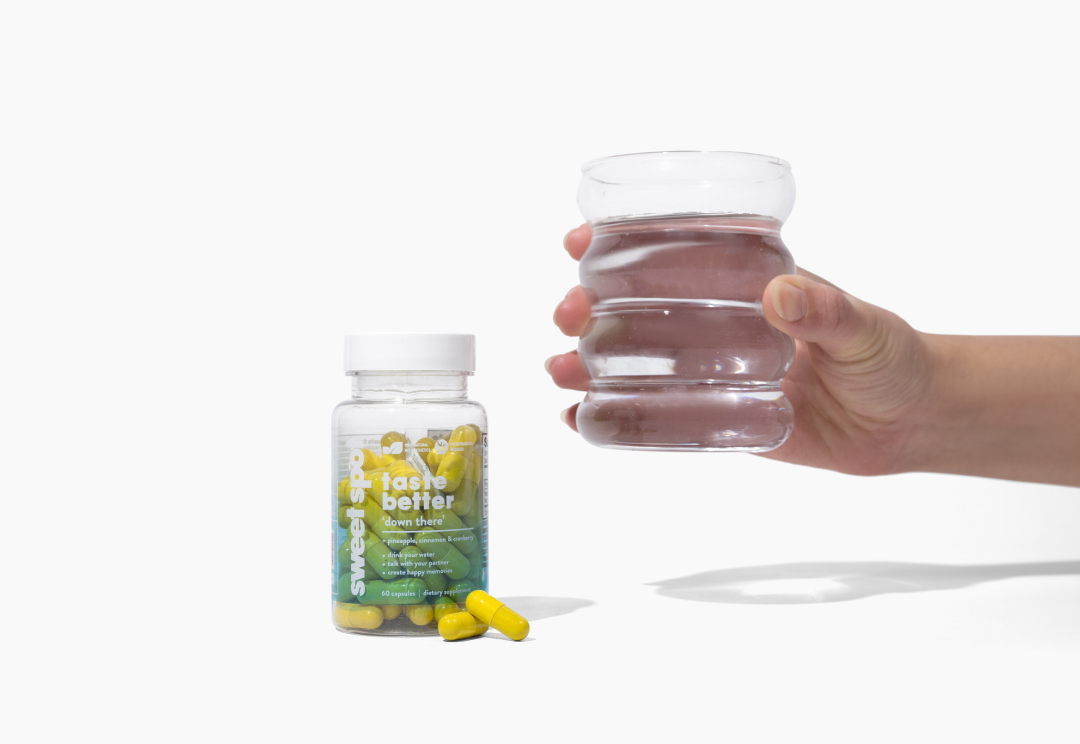
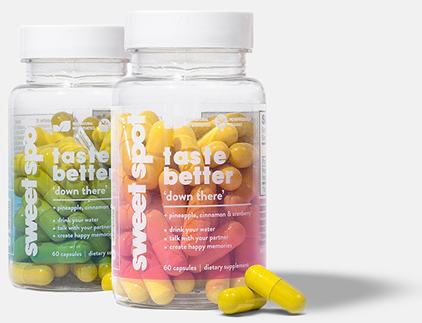
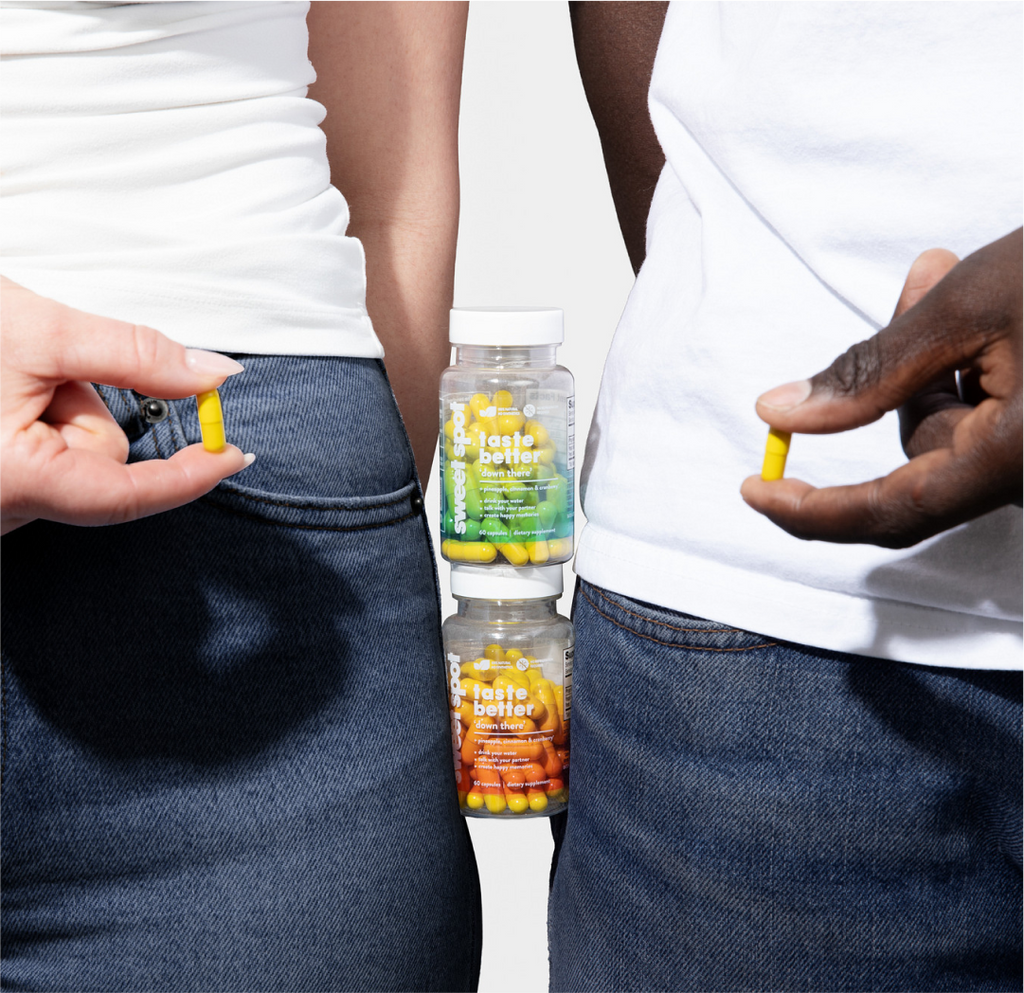
Pineapple-extract supplements and pH-balanced wipes — 60 capsules, a 30-day supply, made in the USA.

Shop The Sweet Spot

Questions people actually ask

  • Yeast feeds on sugar, so elevated blood glucose gives Candida more fuel. High glucose also impairs white-blood-cell activity, so infections take hold more easily and clear more slowly.

  • Indirectly but reliably. Elevated androgens reduce Lactobacillus, insulin resistance raises vaginal glycogen which feeds Candida, and women with PCOS are four times more likely to develop type 2 diabetes.

  • Insulin resistance increases glycogen storage in vaginal cells, and glycogen is exactly what Candida thrives on. It is the mechanism most consumer content never mentions.

  • It is the highest-leverage change available, and considerably more effective than anything topical. That work belongs with your clinician.
  • No. It is metabolic. Washing more strips lactobacilli that are already reduced, which makes things worse rather than better.

  • Three or more symptomatic episodes in a year is recurrent vulvovaginal candidiasis, a defined condition needing a management plan rather than another over-the-counter box.

  • The driver is circulating blood glucose and insulin resistance rather than a single sugary meal. If you have diabetes or PCOS, overall glycaemic control matters far more than any individual food.

  • They are studied for reducing recurrence after treatment rather than for treating an episode. With PCOS or diabetes, they sit on top of glycaemic control rather than replacing it.

  • They are pineapple-extract supplements for everyday freshness and taste. They are not a blood-sugar product and make no metabolic claim.

  • Both can be signs of poorly controlled blood glucose — the kidneys excrete excess glucose, which causes fluid loss. Worth raising with a clinician promptly.

More on infections and the microbiome

Deeper reading on yeast, pH and the flora underneath.

Go deeper

Every pillar guide

Shop

FROM OUR AMAZING CUSTOMERS

Loved by Those Who Know

star_rating

“Happy I found this product and to change my diet at all and even happier I don't need to worry about taste down there!”

star_rating

“Really gives a great flavor when you're having some fun.”

star_rating

Works fast. And obviously WORKS.

star_rating

“This is hands down the best supplement I’ve tried — I’m obsessed and already repurchased.”

pill-image
star_rating

“My guy won’t stop going down on me. He says I taste like flowers and fruit. I’m not correcting him.”

AUTHENTIC REVIEWS YOU CAN TRUST

EXPLORE OUR PRODUCTS

More from #juicyvibes