Get 20% off your order with code FRESH — or subscribe and save for monthly deliveries!

Plant-based eating and how you taste

Plant-based eating and how you taste

Plant-Based Diets and Intimate Wellness: The Sulphur Trap

Short answer: a plant-based diet helps on almost every count — less red meat, less heavy dairy, more water-rich fruit. The trap is that the vegetables plant-based eaters rely on most heavily are also the most sulphur-rich ones.

Broccoli, cauliflower, cabbage, Brussels sprouts, garlic and onion are staples of good plant-based cooking. They are also the exact foods that produce volatile sulphur compounds. Nobody warns you about this, because "eat more vegetables" is normally where the advice ends.

What plant-based eating gets right
Removing red meat and heavy dairy takes out two slow-digesting protein sources with sharp metabolites. That is a genuine advantage before anything else is considered.
The sulphur trap
Cruciferous vegetables — broccoli, cauliflower, cabbage, Brussels sprouts, kale — plus garlic, onion and leek all produce volatile sulphur compounds. Volatile means they vaporise easily and reach the nose fast.
Garlic in particular
Alliin and allicin become diallyl disulfide, allyl methyl sulfide and allyl mercaptan, excreted through pores and urine over up to 48 hours. There is no genetic variation — it affects everyone.
Where the wins are
High-water fruit: pineapple, mango, papaya, watermelon, citrus, berries. Chlorophyll-rich herbs: parsley, mint, basil, coriander. Celery and cucumber for water content.
Protein without the trade-off
Legumes, tofu, tempeh, nuts and seeds carry none of the sulphur penalty of brassicas and none of the metabolite problem of red meat.
The B12 point
Plant-based diets need B12 supplementation, and B12 deficiency impairs taste perception. Worth knowing here specifically — it affects what you can taste rather than how you taste.

How to eat plant-based without the trade-off

  • Time the brassicas. Eat them freely, just not in the two or three days before it matters. They are too good nutritionally to cut permanently.
  • Treat garlic as the exception. It affects everyone, lasts up to 48 hours, and brushing your teeth does nothing — it leaves through lungs and skin.
  • Lean on fruit and herbs in the days that matter.
  • Watch hydration. High-fibre eating needs more water, not less.
  • Get B12 handled — for general health, and because deficiency dulls your own sense of taste.
Four questions, straight answers

  • Does plant-based help?

    On most counts, yes — no red meat, no heavy dairy, more water-rich fruit.
  • What is the trap?

    Brassicas, garlic and onion are sulphur-heavy, and they are staples of plant-based cooking.
  • Do I have to cut them?

    No. Time them — eat freely, just not in the two or three days before it matters.
  • Anything else?

    B12. Plant-based diets need it supplemented, and deficiency impairs your own taste perception.
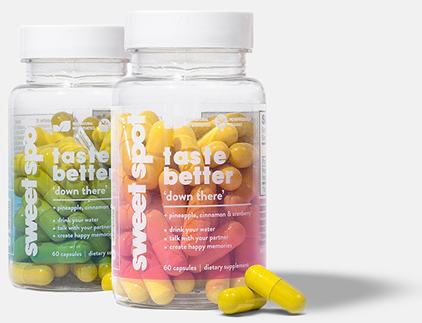
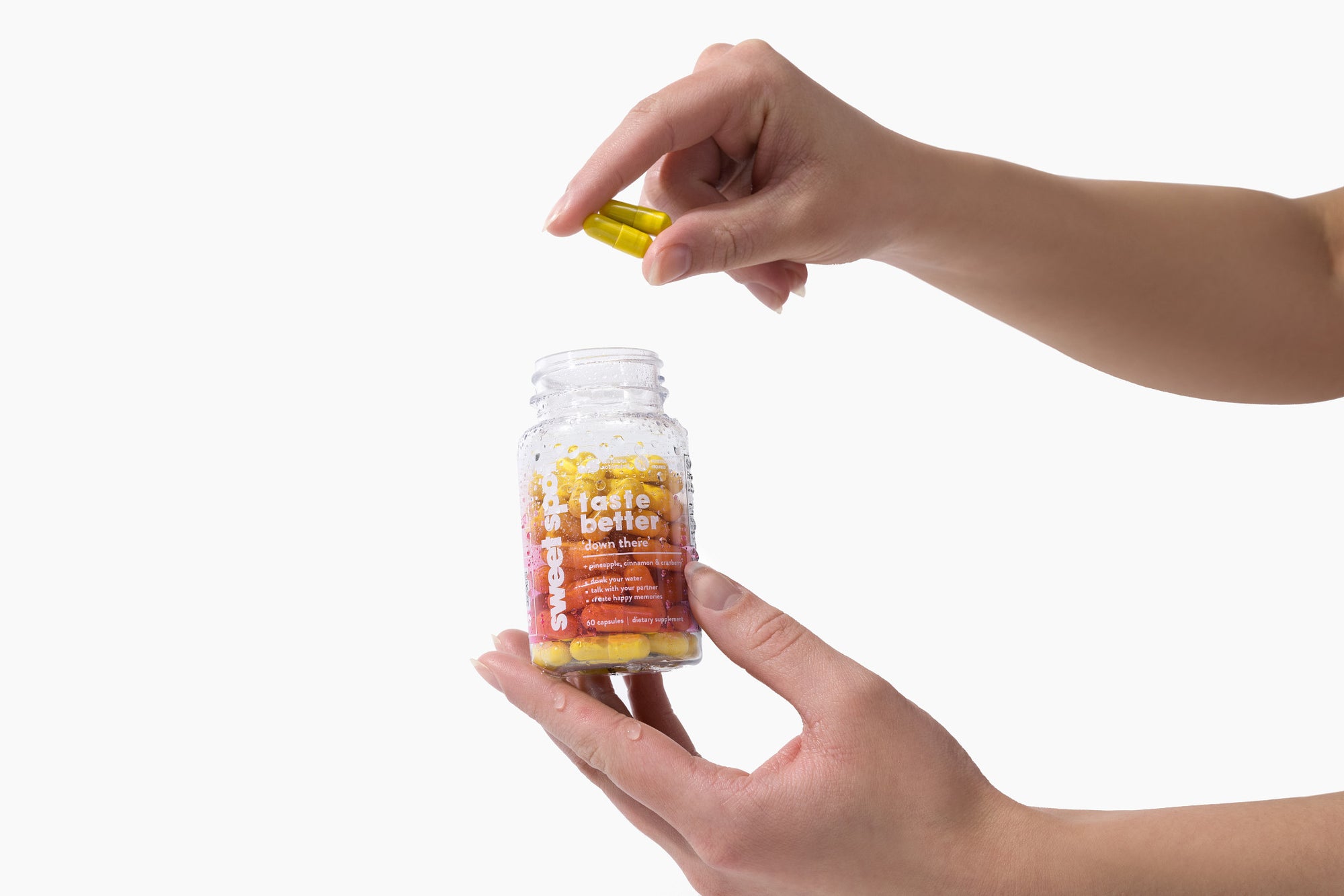
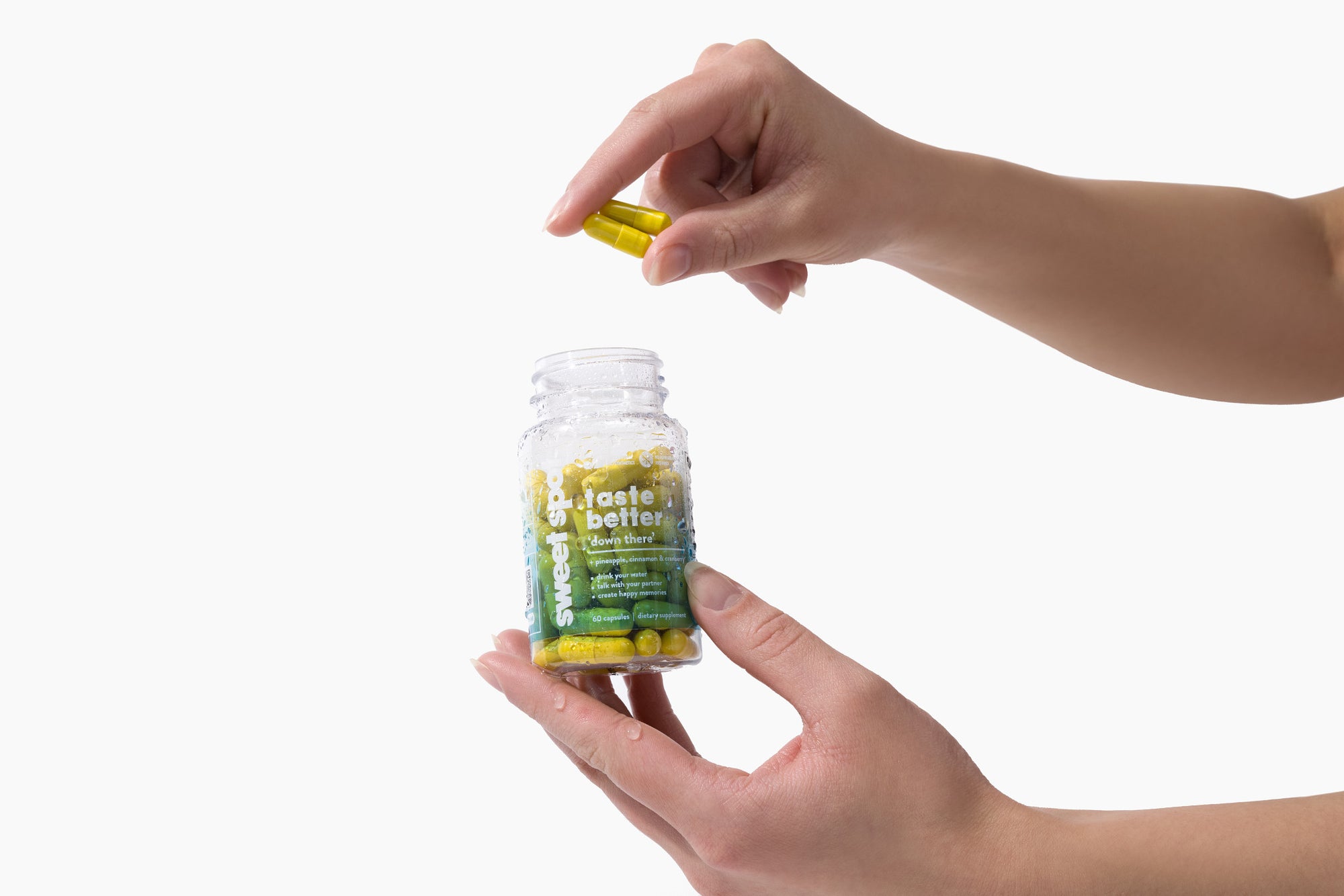
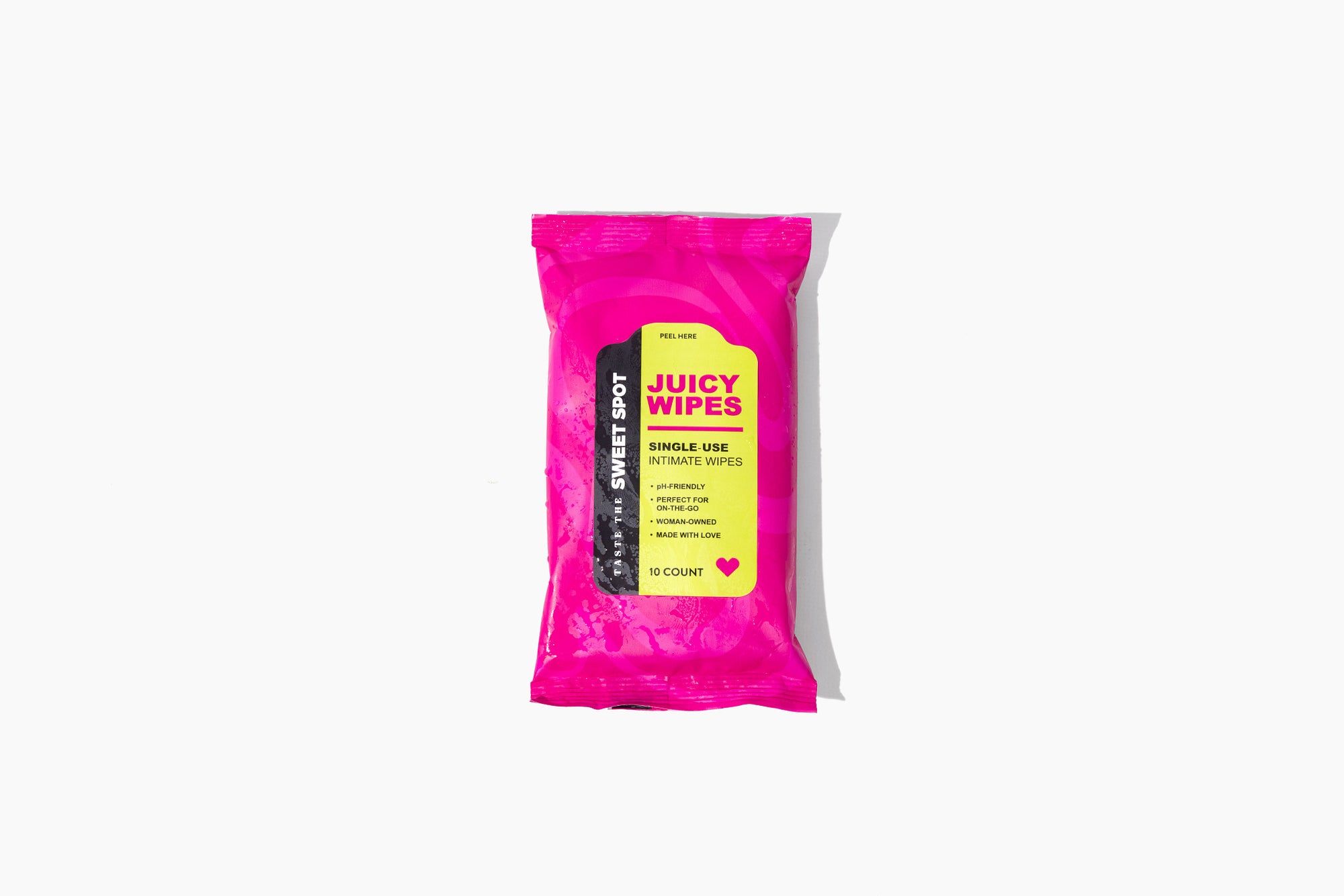
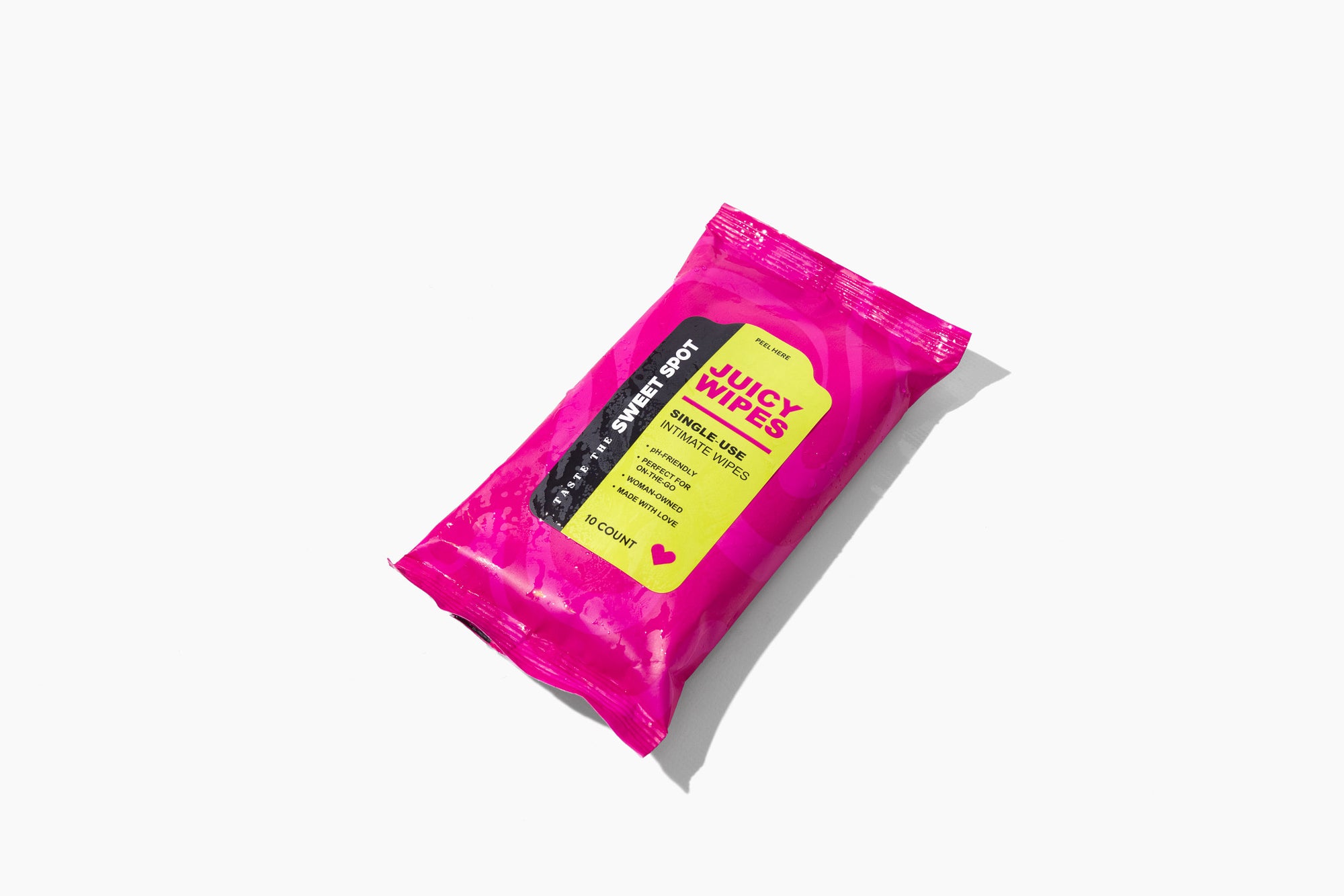
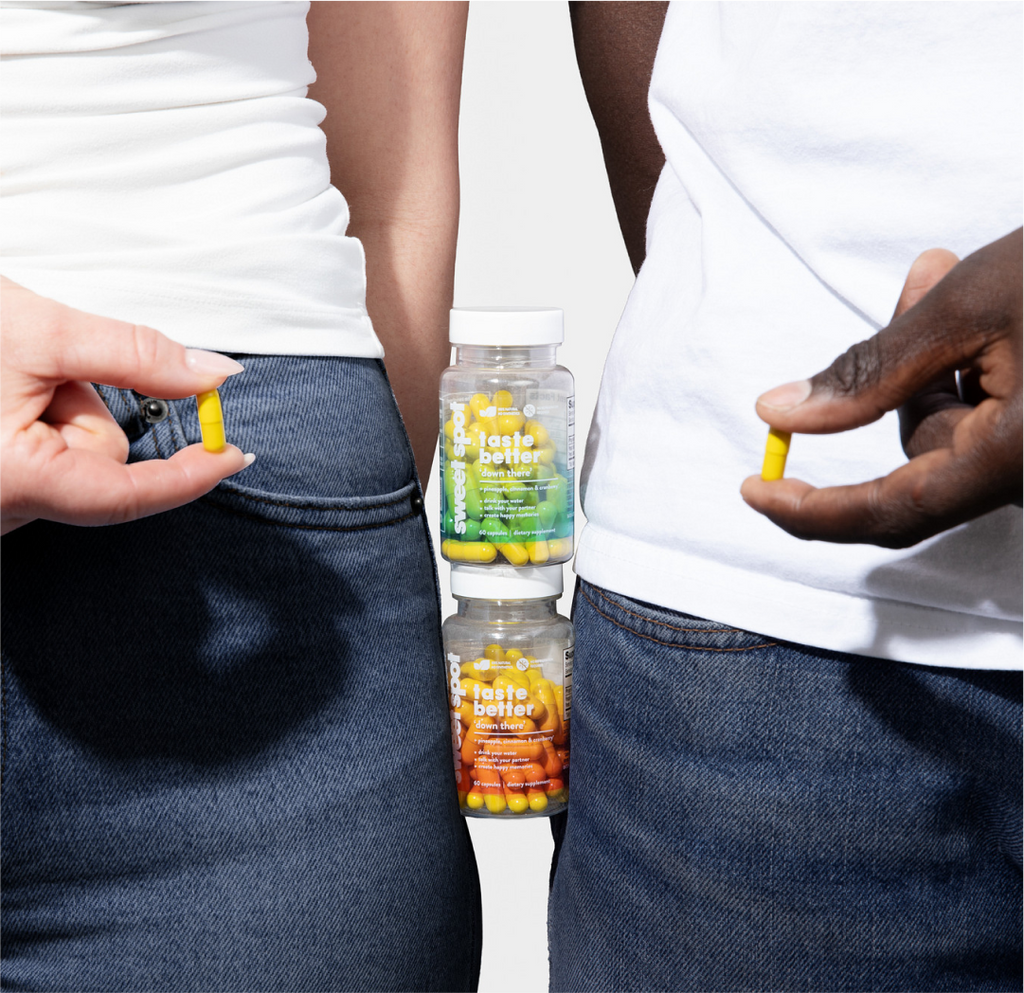
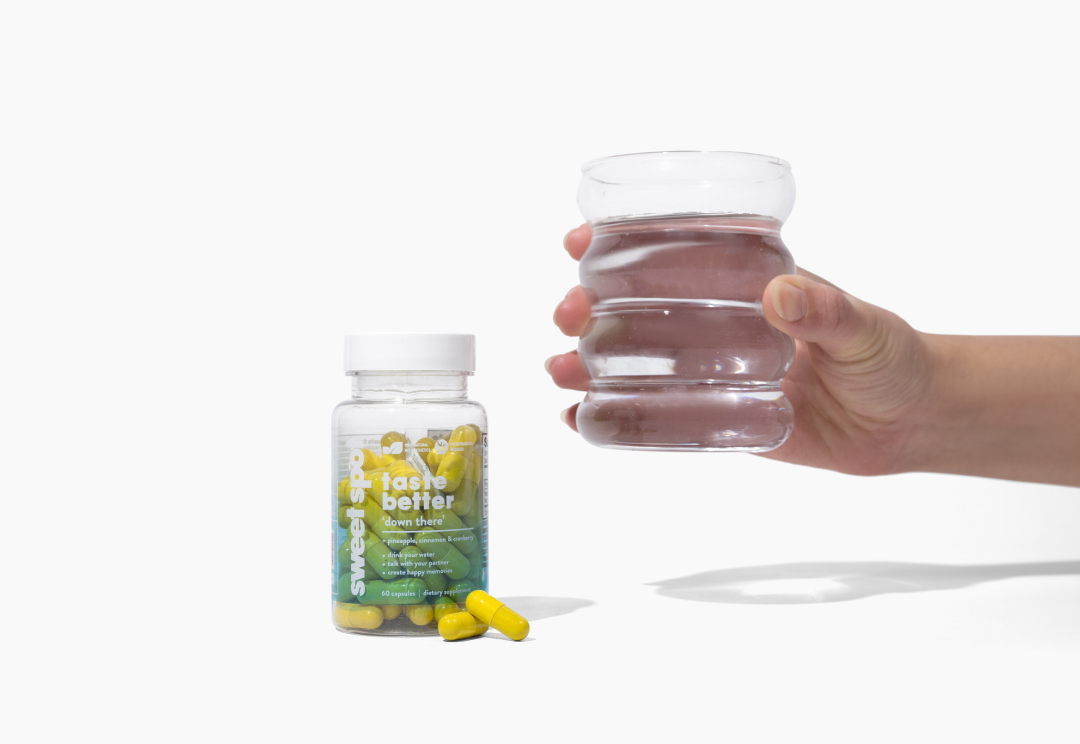
Pineapple-extract supplements and pH-balanced wipes — 60 capsules, a 30-day supply, made in the USA.

Shop The Sweet Spot

Questions people actually ask

  • On most counts, yes — it removes red meat and heavy dairy and usually increases fruit and water intake. The complication is that brassicas, garlic and onion are sulphur-heavy and central to plant-based cooking.

  • Broccoli, cauliflower, cabbage, Brussels sprouts and kale, plus garlic, onion and leek. They produce volatile sulphur compounds that vaporise easily and register fast.

  • No — time them. They are too valuable nutritionally to cut permanently. Move them away from the two or three days before it matters.

  • Because asparagus is a genetic lottery — whether you produce the smell is inherited — while garlic has no such variation and affects everyone, for up to 48 hours.

  • Leafy greens, courgette, peppers and squash instead of brassicas; herbs, ginger, citrus zest and chilli instead of garlic and onion; and two to three servings of fruit daily.

  • Yes. Higher fibre intake needs more water, not less, and hydration is the fastest lever on taste and odour anyway.

  • Legumes, tofu, tempeh, nuts and seeds. None carries the sulphur load of brassicas or the metabolite problem of red meat.

  • Yes, twice over. Plant-based diets need it supplemented for general health, and B12 deficiency specifically impairs taste perception — your ability to taste, rather than how you taste.

  • No. Soy is not sulphur-heavy in the way brassicas are, and tofu and tempeh are good protein choices here.

  • They are built on pineapple extract. For anything specific to your dietary requirements, check the product page listing before buying.

More on diet and taste

Deeper reading on food, chemistry and what changes what.

Go deeper

Every pillar guide

Shop

FROM OUR AMAZING CUSTOMERS

Loved by Those Who Know

star_rating

“Happy I found this product and to change my diet at all and even happier I don't need to worry about taste down there!”

star_rating

“Really gives a great flavor when you're having some fun.”

star_rating

Works fast. And obviously WORKS.

star_rating

“This is hands down the best supplement I’ve tried — I’m obsessed and already repurchased.”

pill-image
star_rating

“My guy won’t stop going down on me. He says I taste like flowers and fruit. I’m not correcting him.”

AUTHENTIC REVIEWS YOU CAN TRUST

EXPLORE OUR PRODUCTS

More from #juicyvibes