Get 20% off your order with code FRESH — or subscribe and save for monthly deliveries!

Menopause and intimate health

Menopause and intimate health

Menopause and Intimate Health: What Changes and Why

Short answer: falling oestrogen is the whole mechanism. Oestrogen maintains glycogen in the vaginal lining, glycogen feeds the Lactobacillus bacteria that make lactic acid, and that acid holds vaginal pH at 3.8–4.5. Less oestrogen means less glycogen, fewer lactobacilli, and a rising pH.

Everything people notice — dryness, a change in scent, more frequent infections — comes off that single chain. It is not hygiene, and it is not something you caused.

The part most women are not told: this starts in perimenopause, often in your early forties, well before your final period. Which is why it so often gets attributed to something else entirely.

Perimenopause
The years of fluctuating hormones before periods stop. Oestrogen does not decline smoothly — it swings, which is why symptoms come and go and feel inconsistent.
The glycogen chain
Oestrogen → glycogen in the vaginal lining → food for Lactobacillus → lactic acid → pH 3.8–4.5. Remove the first link and the last one moves.
What a rising pH means
Above 4.5, anaerobic bacteria find the environment more hospitable, which is why bacterial vaginosis becomes more likely with age rather than less.
Vaginal atrophy (GSM)
Thinning and drying of vaginal tissue from low oestrogen. The clinical term is genitourinary syndrome of menopause. Common, treatable, and under-discussed.
Vaginal oestrogen
A local, low-dose treatment. It is associated with an increase in protective bacteria — the most direct way to address the cause rather than the symptoms. A conversation with a clinician, not a shelf.
🔴 The line worth remembering
A strong, sudden or foul odour is not just menopause. Mild change is expected; a fishy smell, itching, burning or unusual discharge still warrants a clinician.

What it is not

Almost every woman who notices this responds by cleaning more. That makes it worse, and for a specific reason: washing strips the lactobacilli that are already depleted. You are removing the survivors of a population that is under pressure.

Warm water externally. Nothing internally. The full routine is here, and it matters more now than it did at 30.
Four questions, straight answers

  • What changes?

    Dryness, scent, and more frequent infections. All from one chain: less oestrogen, less glycogen, fewer lactobacilli, higher pH.
  • When does it start?

    Perimenopause — often the early forties, well before your final period. That is why it gets blamed on other things.
  • What actually helps?

    Vaginal oestrogen addresses the cause. Hydration, no douching and a moisturiser handle the rest.
  • When is it a doctor?

    Strong or sudden odour, itching, burning, unusual discharge. Mild change is expected; those are not.
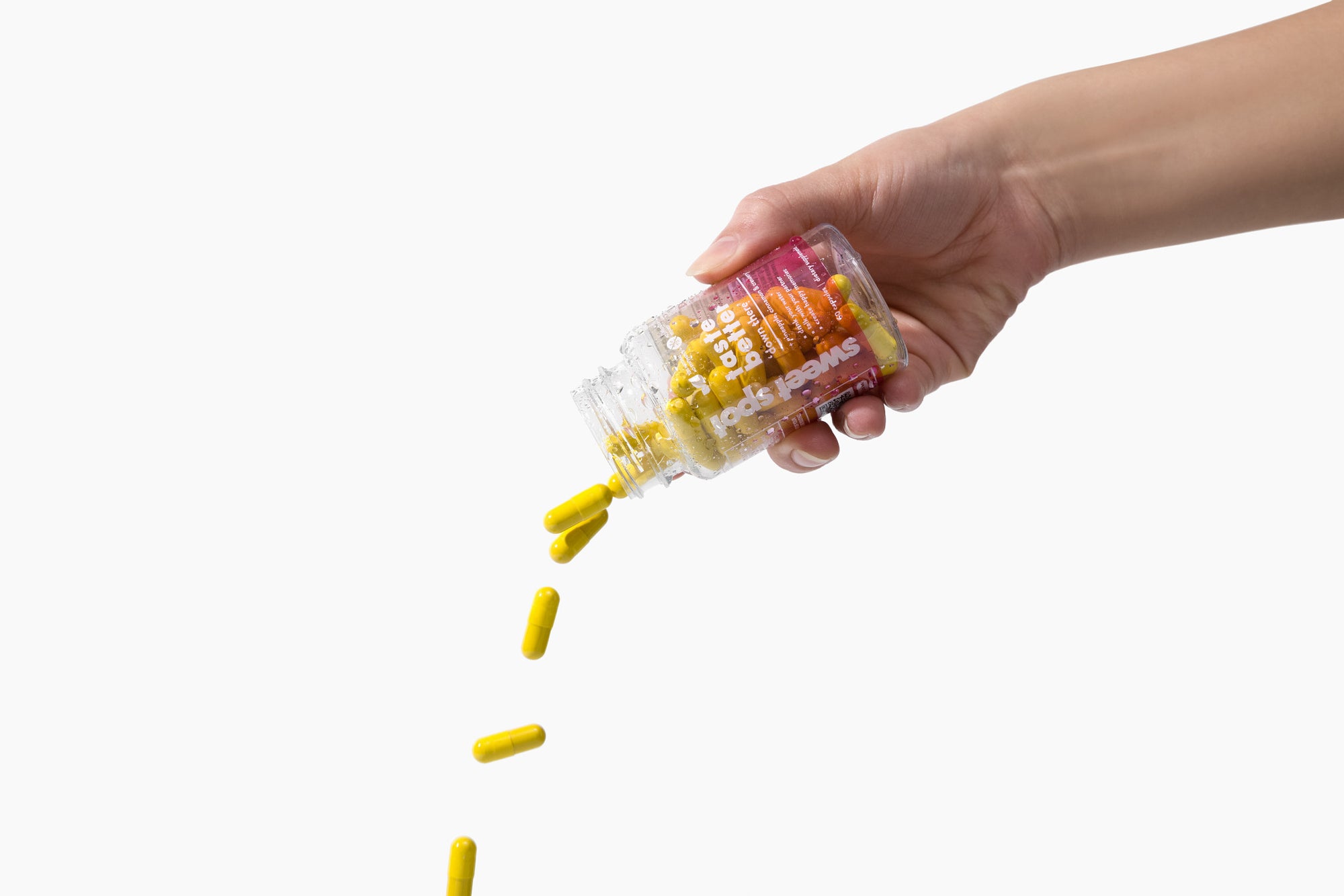
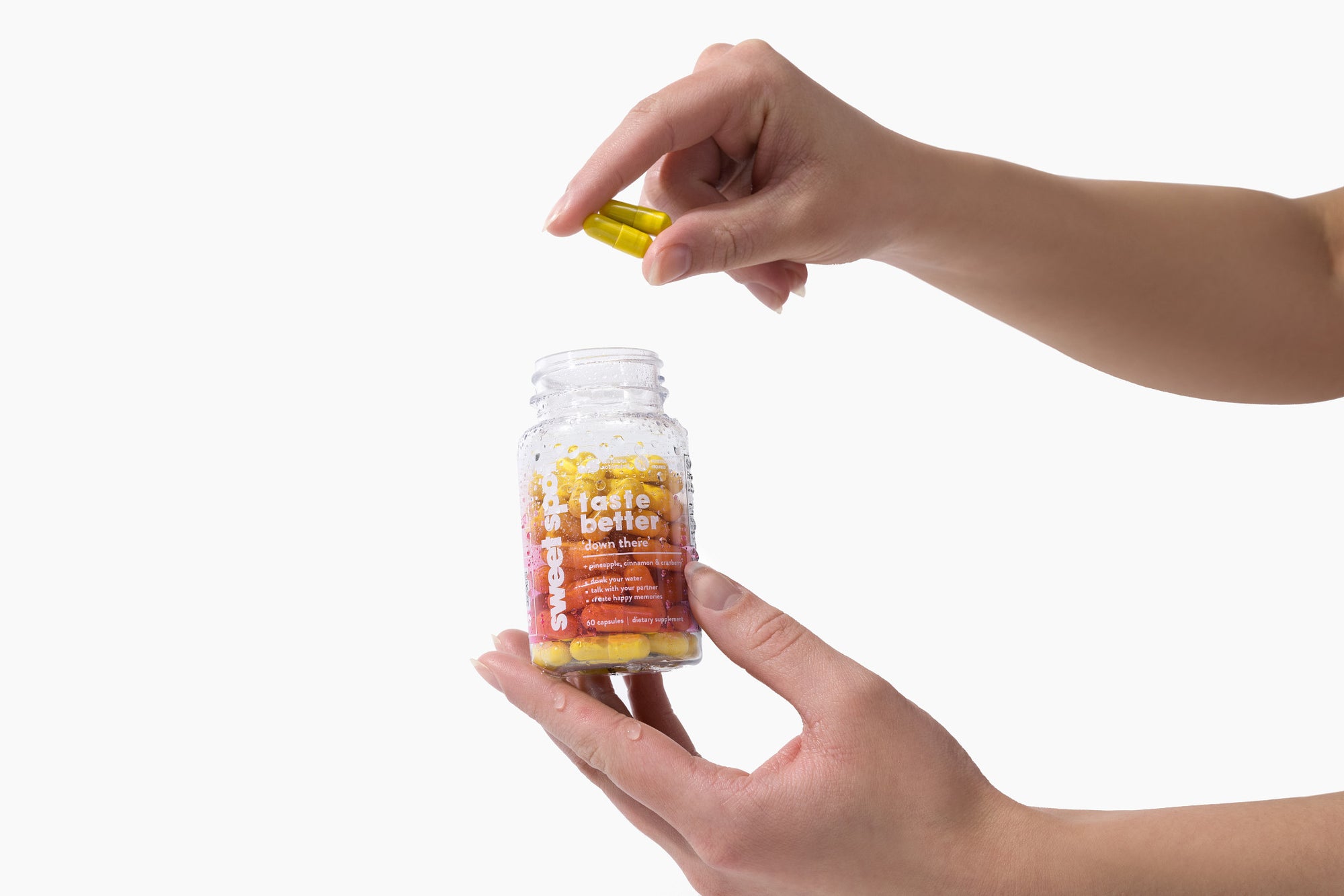
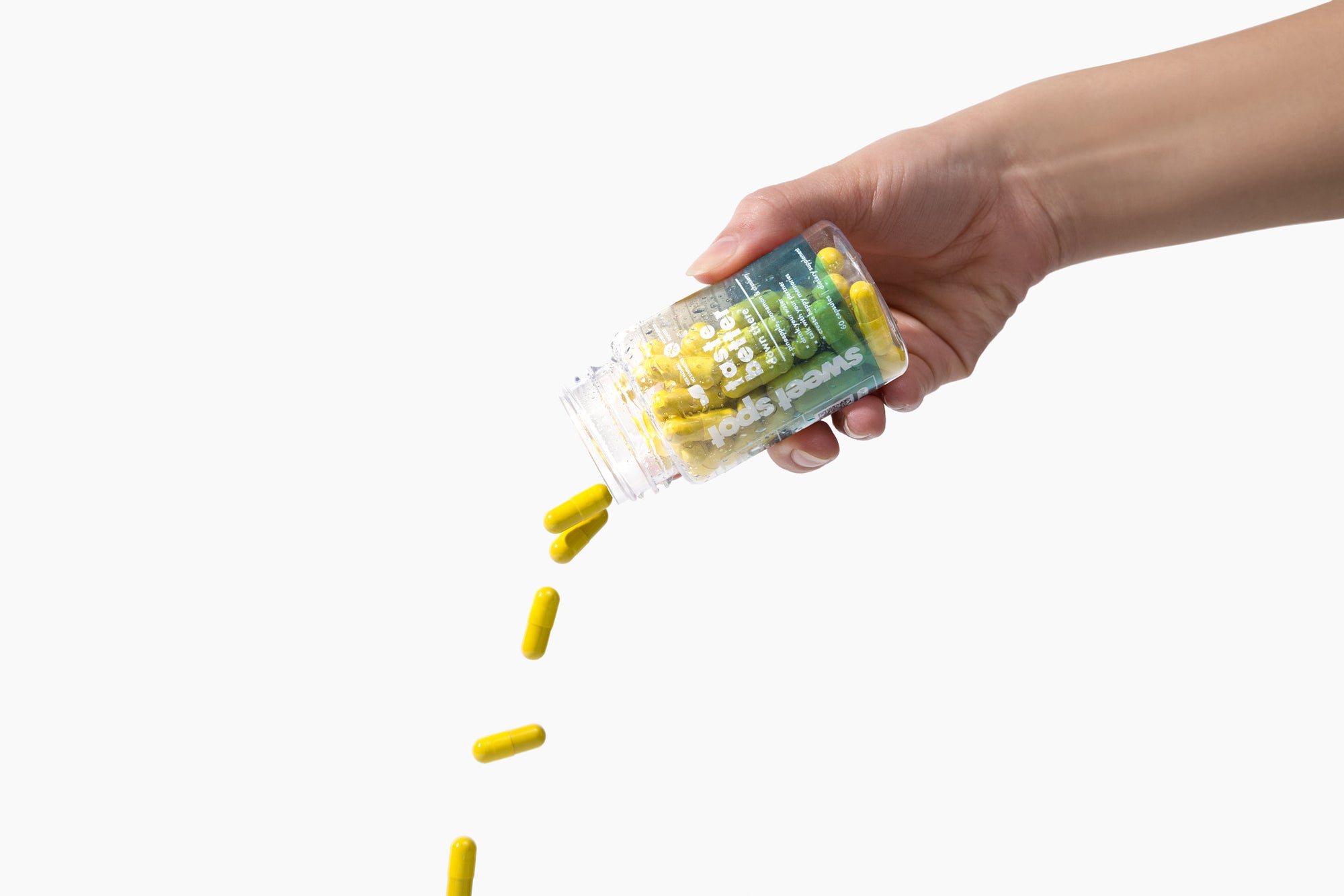
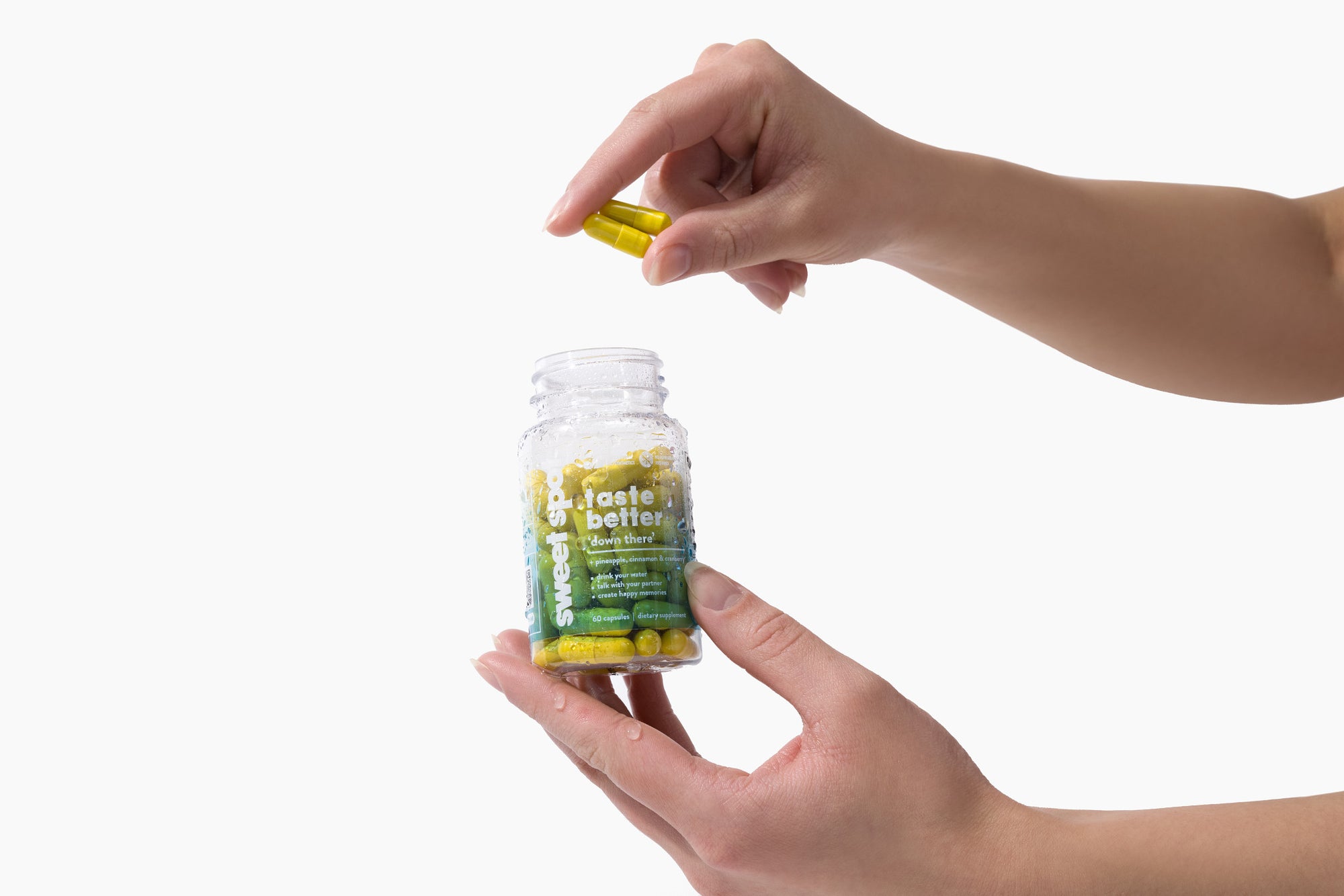
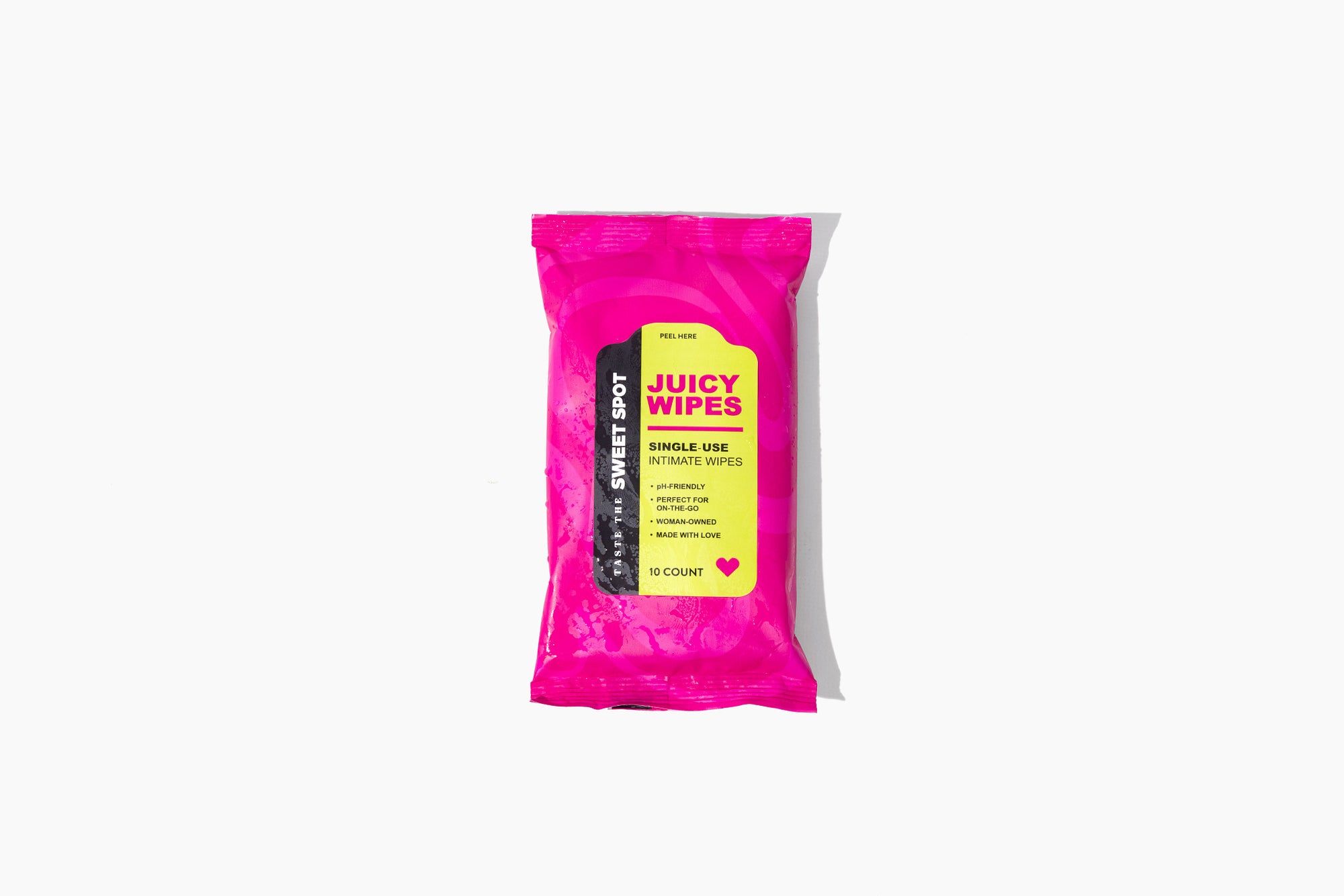
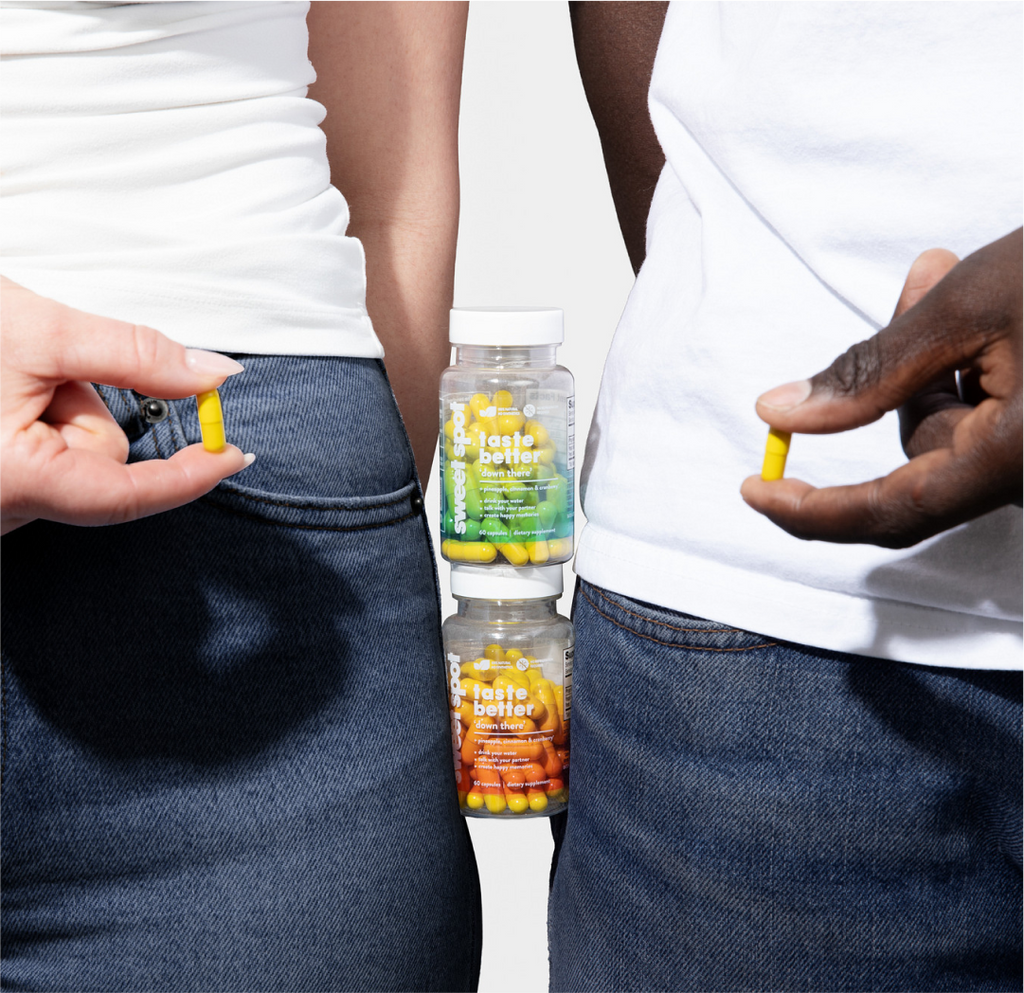
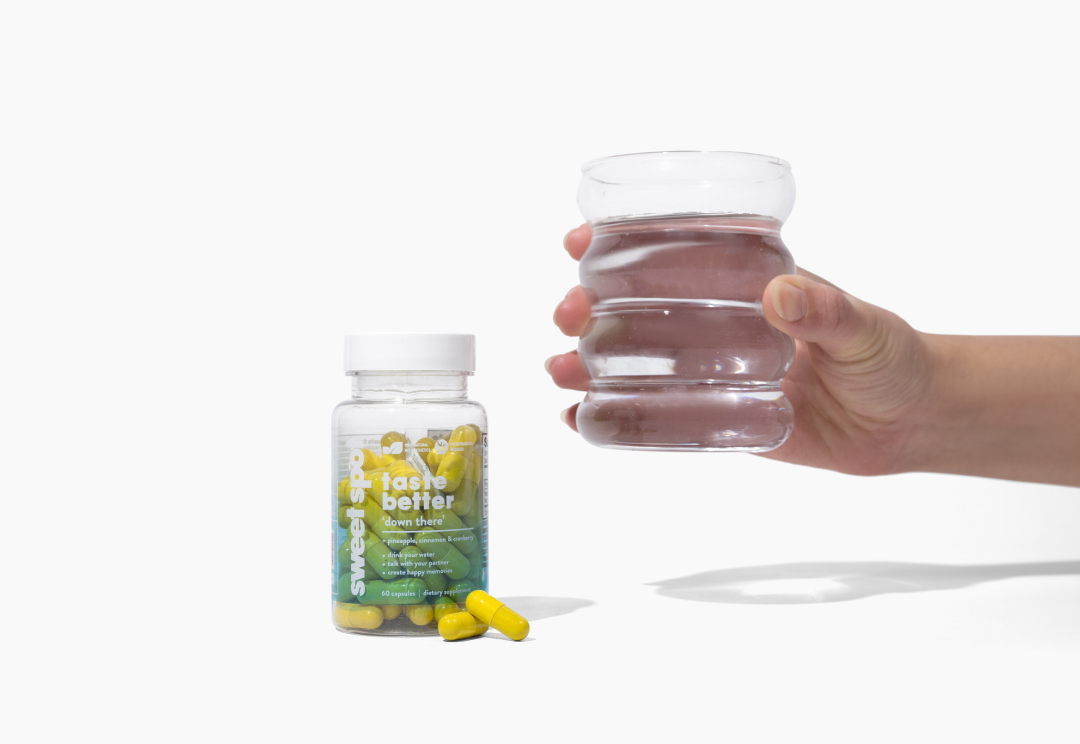
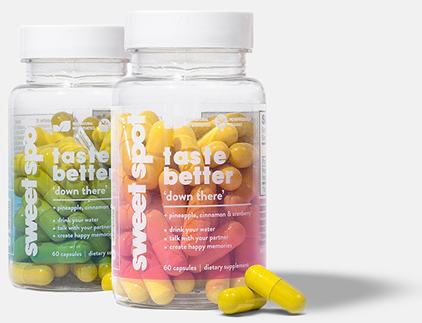
Pineapple-extract supplements and pH-balanced wipes — 60 capsules, a 30-day supply, made in the USA.

Shop The Sweet Spot

Questions people actually ask

  • Falling oestrogen means less glycogen in the vaginal lining, which starves the Lactobacillus bacteria that produce lactic acid. Less acid means pH rises above the protective 3.8–4.5 range, and scent changes with it.

  • In perimenopause, often in the early forties and well before periods stop. Because oestrogen fluctuates rather than falling steadily, symptoms come and go, which is why they are frequently attributed to something else.

  • Very common, and it has a clinical name — genitourinary syndrome of menopause. Common is not the same as untreatable: vaginal oestrogen and regular use of a moisturiser both help.

  • Local vaginal oestrogen addresses the cause rather than the symptoms, and is associated with an increase in protective bacteria. It is a clinician conversation.

  • Because pH rising above 4.5 makes the environment more hospitable to anaerobic bacteria. It is chemistry rather than hygiene.

  • No — that makes it worse. Washing strips lactobacilli that are already depleted. Warm water externally and nothing internally is the correct routine, and it matters more now than it did at thirty.

  • No. Mild, gradual change is expected. A strong, sudden or fishy odour still warrants a clinician — attributing everything to menopause is how treatable conditions get missed.

  • A pineapple-extract supplement supports everyday freshness alongside hydration and hygiene. It is not a hormone, and it does not address the oestrogen decline driving the change.

  • Yes. Hydration and diet work the same way at any age — the baseline has simply shifted. The food list applies unchanged.

  • Always worth prompt medical attention, regardless of how minor it seems.

More on pH, odour and the microbiome

Deeper reading on the chemistry underneath these changes.

Go deeper

Every pillar guide

Shop

FROM OUR AMAZING CUSTOMERS

Loved by Those Who Know

star_rating

“Happy I found this product and to change my diet at all and even happier I don't need to worry about taste down there!”

star_rating

“Really gives a great flavor when you're having some fun.”

star_rating

Works fast. And obviously WORKS.

star_rating

“This is hands down the best supplement I’ve tried — I’m obsessed and already repurchased.”

pill-image
star_rating

“My guy won’t stop going down on me. He says I taste like flowers and fruit. I’m not correcting him.”

AUTHENTIC REVIEWS YOU CAN TRUST

EXPLORE OUR PRODUCTS

More from #juicyvibes