

The Gym, Sweat and Staying Fresh: What Actually Causes Problems
Short answer: exercise does not cause infections. Sitting in damp kit afterwards does. The risk is heat and moisture trapped against skin by synthetic fabric — which is a clothing and timing problem, not a fitness one.
Useful, because it means you do not have to train less. You have to change faster.
- The actual mechanism
- Tight synthetic fabric traps heat and moisture against the skin. Candida thrives in exactly those conditions, so the environment — not the exercise — tips the balance.
- Why it is the clothes and not the workout
- The risk factor is time spent in damp kit. Two people can do the same session and only the one who stays in it afterwards has a problem.
- Fabric
- Cotton underwear breathes; nylon and spandex do not. Moisture-wicking outer layers help, but the layer against your skin matters most.
- Sweat and odour
- Sweat is mostly water and largely odourless until bacteria act on it. Dehydration concentrates it and makes the result stronger — so hydration works on both fronts.
- Training with symptoms
- Mild symptoms do not mean skipping the gym. Low-impact movement — walking, yoga — is usually comfortable. High-sweat, high-friction sessions make things worse.
- Showering
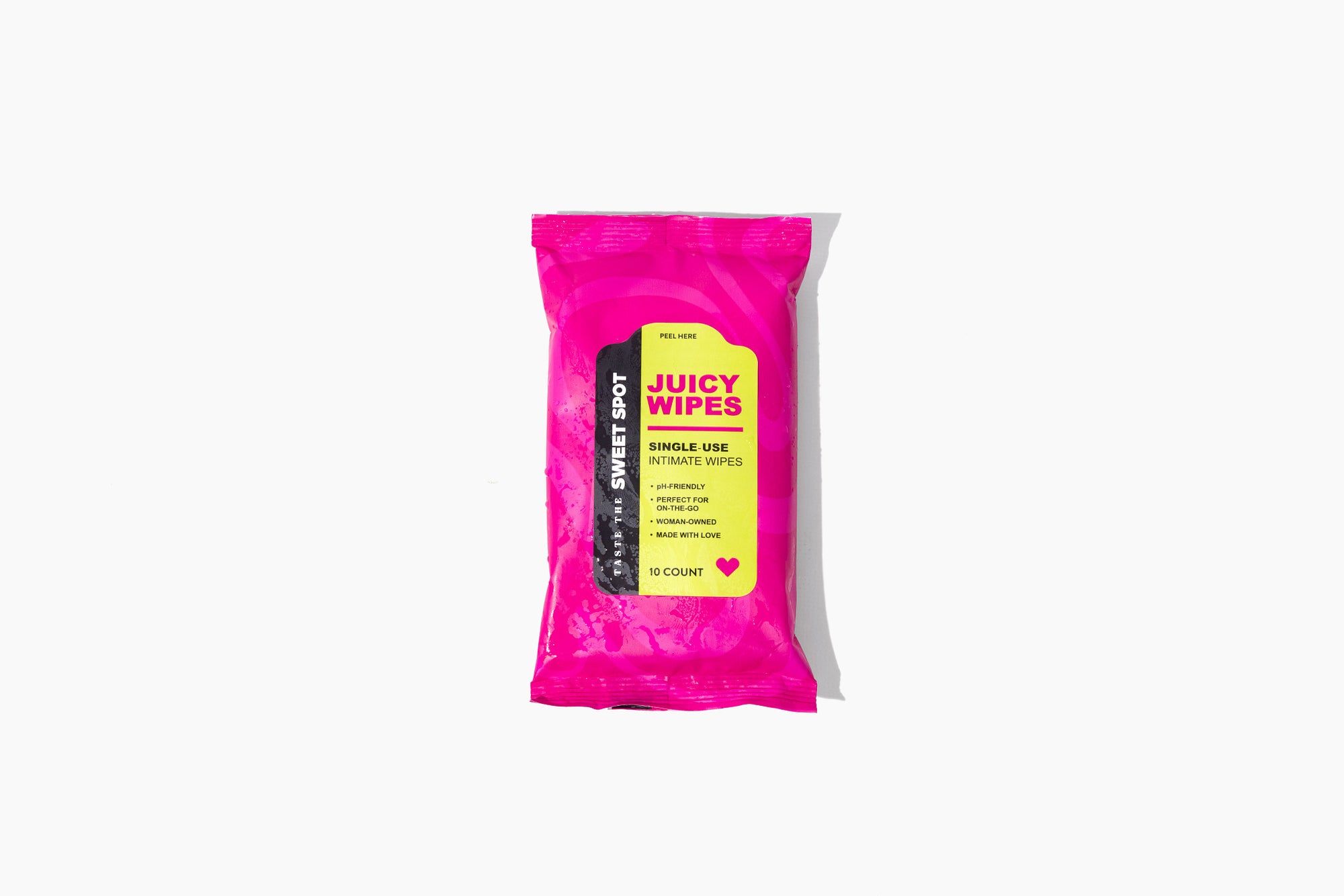
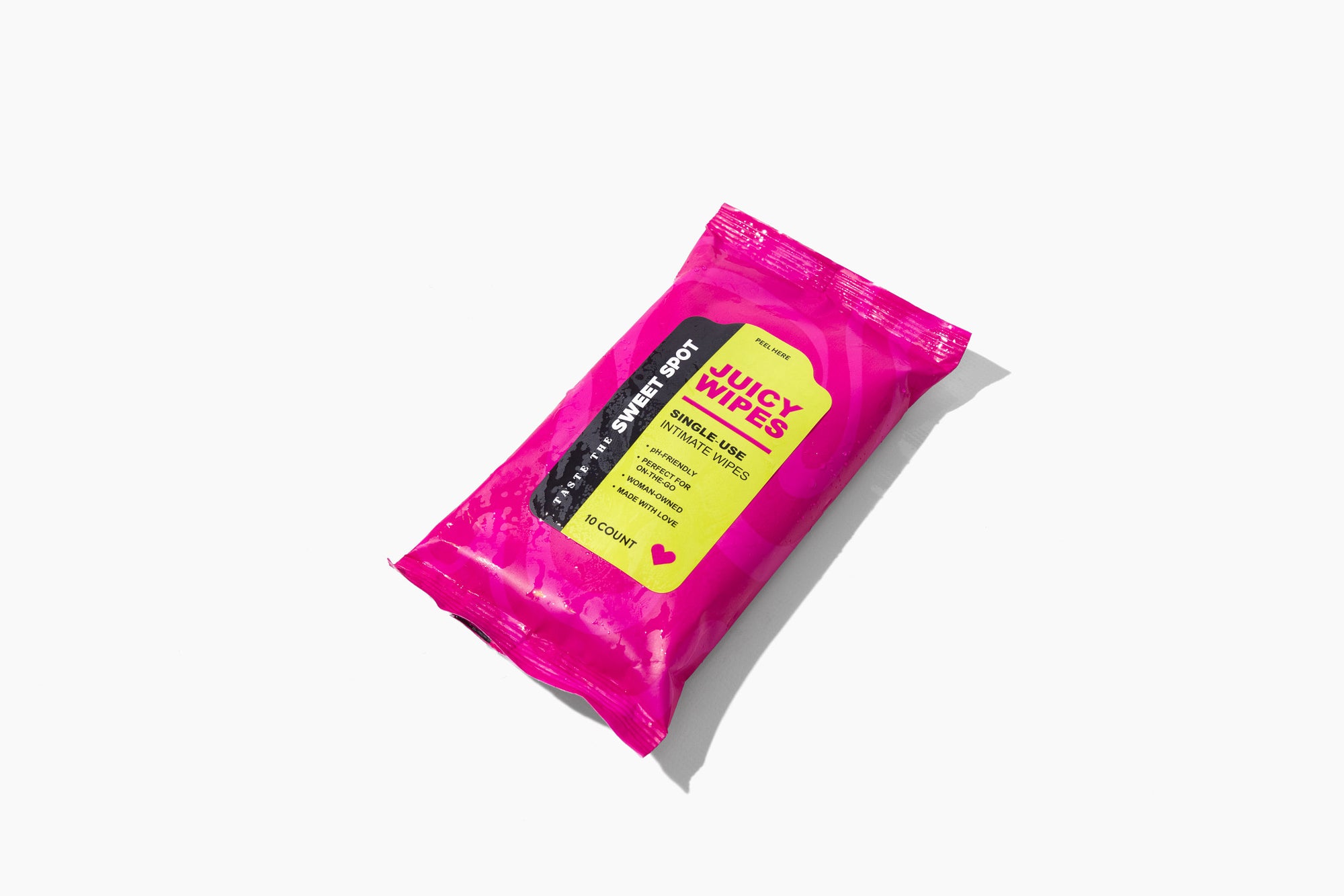
- Promptly, with warm water externally. Where a shower is not available, a pH-balanced wipe externally is the practical substitute.
The three rules
- Change out of damp kit immediately. Not after the coffee, not after the drive home. This single habit does more than everything else combined.
- Cotton against the skin. Whatever the outer layer is doing, the base layer decides how much moisture sits where it matters.
- Hydrate around the session. Roughly 8–16 oz in the one to two hours before, then 4–8 oz every 15–20 minutes during.